Top
We Proudly Serve Mesa, Gilbert, Chandler, Queen Creek, Tempe, Maricopa, Scottsdale, San Tan, Paradise Valley & Phoenix, Arizona

Blogs

Category: Pest Prevention

Why Pest Entry Points Are Easy to Overlook

Many homeowners believe pests only enter through obvious openings such as doors or windows. In reality, most infestations begin through tiny gaps that are almost impossible to notice without a careful inspection. Pests are highly adaptable and can squeeze through small cracks, hidden seams, and structural openings that appear insignificant to the human eye.

Even newer homes can have unnoticed gaps that allow insects and rodents inside. Over time, weather, settling foundations, and normal wear can create new entry points. Identifying and sealing these openings is one of the most effective ways to prevent pest problems before they begin.

Small Cracks Around Foundations

Foundation cracks are among the most common pest entry points. As homes settle naturally, small gaps can develop along the foundation. These cracks may be barely visible but can still allow insects to enter. Ants, spiders, and other pests often use these openings as pathways into living spaces.

Moisture can make these cracks more appealing. When water collects near the foundation, pests are drawn to the area and may use nearby openings to gain access. Sealing foundation cracks and managing moisture around your home helps reduce this risk.

Professional inspections can identify structural openings that homeowners might miss. If you want to learn more about pests that may enter through these areas you can visit
https://greenmagicpest.com/pest-information/

Understanding local pest behavior helps homeowners recognize potential entry risks.

Gaps Around Doors and Windows

Doors and windows are another common access point for pests. Even small gaps around frames or worn weather stripping can provide enough space for insects to slip inside. Rodents can squeeze through surprisingly small openings as well, making door and window gaps especially important to seal.

Checking seals regularly can help prevent pest entry. Replacing damaged weather stripping or adding door sweeps can significantly reduce access points. These simple improvements can make a noticeable difference in pest prevention.

Utility Line Openings

Areas where utility lines enter your home are often overlooked. Pipes, cables, and wiring require small openings in walls, and these spaces can become entry points if they are not properly sealed. Over time sealants may shrink or crack, creating gaps that pests can use.

Rodents and insects commonly enter through these openings because they provide direct access into wall cavities. Once inside, pests can nest and reproduce without being seen. Sealing utility entry points is an important step in maintaining a pest resistant home.

Roof and Attic Access Points

The roof is one of the most frequently overlooked entry areas. Damaged shingles, loose vents, or gaps near rooflines can allow pests to enter attics. Birds, rodents, and insects often take advantage of these openings to access sheltered areas.

Attics provide warmth, insulation, and protection, making them attractive nesting sites. Regular roof inspections can help identify vulnerabilities before pests exploit them. Addressing these issues early helps prevent infestations from developing overhead.

The National Park Service notes that animals often enter structures through small structural gaps and roof openings, which highlights the importance of sealing potential access points. You can learn more here
https://www.epa.gov/safepestcontrol/pest-control-resources-residents

Recognizing these risks helps homeowners understand why roof maintenance is part of pest prevention.

Garage and Storage Areas

Garages are common pest entry zones because they often contain clutter, storage items, and small openings. Boxes, tools, and stored materials can create hiding spots for insects and rodents. Garage doors that do not seal tightly can also allow pests inside.

Keeping storage areas organized and sealed reduces hiding spaces and makes infestations easier to detect. Simple changes such as storing items in sealed containers and repairing door gaps can help prevent pests from entering through garages.

Landscaping and Exterior Features

Outdoor features can unintentionally provide access to pests. Shrubs that touch exterior walls, stacked firewood, and decorative rocks can create pathways leading directly to your home. Pests often use these areas as shelter before moving indoors.

Keeping landscaping trimmed and removing debris near foundations can reduce pest activity. Maintaining a clear perimeter around your home makes it harder for pests to find entry points.

Green Magic Pest Control provides professional inspections that identify environmental conditions attracting pests and offers targeted solutions to reduce risks.
https://greenmagicpest.com/pest-control-services-in-chandler-arizona/

Addressing outdoor conditions is an important part of long term pest prevention.

Why Hidden Entry Points Lead to Infestations

When pests find entry points, they often establish nests or colonies inside walls, attics, or crawl spaces. Because these areas are hidden, infestations can grow without being noticed. By the time homeowners see visible signs, populations may already be large.

Closing entry points is one of the most effective ways to stop infestations from starting. Preventative maintenance combined with professional inspections can help ensure these hidden openings are addressed before pests use them.

The Importance of Professional Inspections

Professional pest control technicians are trained to locate entry points that homeowners might overlook. Their experience allows them to recognize subtle signs such as small gaps, moisture buildup, or structural vulnerabilities. Identifying these issues early helps prevent infestations and reduces long term pest risks.

To schedule an inspection or request professional assistance you can contact the team here
https://greenmagicpest.com/book-now/

Professional evaluations provide peace of mind and help maintain a pest resistant home.

Protect Your Home by Sealing the Gaps

Most pest problems begin with small openings that go unnoticed. By identifying and sealing common entry points such as foundation cracks, door gaps, utility openings, and roofline spaces, homeowners can dramatically reduce pest risks. Preventative action is always easier and more effective than treating an established infestation.

Regular inspections, proper maintenance, and professional guidance work together to create a strong defense against pests. Taking the time to address hidden entry points helps keep your home safe, clean, and comfortable throughout the year.

Why Prevention Is More Affordable Than Treatment

Many homeowners only think about pest control after they see insects or rodents inside their home. While this reaction is understandable, waiting until pests appear often leads to higher costs. Preventative pest control focuses on stopping infestations before they begin, which reduces the likelihood of expensive treatments, repairs, and damage.

Pests multiply quickly once they find food, shelter, and water. What begins as a minor issue can grow into a major infestation if left untreated. Addressing potential problems early is usually far less expensive than dealing with a fully developed pest situation. Preventative care provides consistent protection that keeps small issues from turning into large ones.

The Hidden Costs of Ignoring Pest Problems

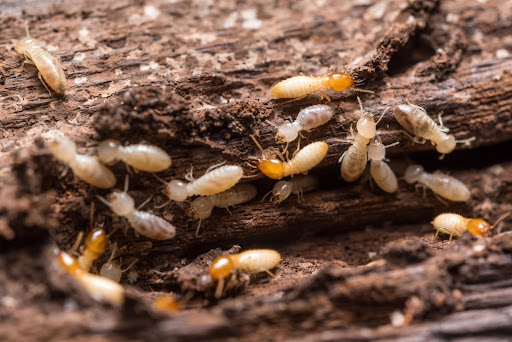
Many pest infestations cause damage long before homeowners notice them. Rodents can chew wiring and insulation, termites can weaken wood structures, and insects can contaminate stored food. These hidden problems can lead to costly repairs and replacements.

The United States Department of Housing and Urban Development explains that pest infestations can impact structural safety and sanitation if not addressed promptly. You can review their housing safety information here
https://www.hud.gov/program_offices/healthy_homes

When damage progresses unnoticed, repair costs can quickly exceed the price of routine preventative service. This is why many homeowners choose to maintain ongoing pest protection rather than waiting for visible signs.

How Preventative Treatments Work

Preventative pest control services are designed to stop pests before they enter your home. Technicians apply treatments around entry points, foundations, and exterior areas to create protective barriers. These barriers discourage pests from crossing into living spaces and help eliminate activity around the property.

Preventative programs also include inspections that identify conditions attracting pests. These may include moisture buildup, structural gaps, or clutter near foundations. Addressing these factors reduces the chances of pests establishing themselves.

Green Magic Pest Control provides customized pest control plans tailored to each property and local pest conditions. Their services focus on eliminating pests and preventing them from returning.
https://greenmagicpest.com/pest-control-services-in-chandler-arizona/

Customized plans are more effective than generic treatments because they target the exact conditions that affect your home.

Early Detection Prevents Major Infestations

One of the biggest advantages of preventative pest control is early detection. Regular inspections allow technicians to identify signs of pest activity before infestations spread. Detecting a problem early often means it can be resolved quickly with minimal treatment.

Without inspections, infestations can develop unnoticed. Many pests hide in walls, attics, or crawl spaces where they remain invisible until populations grow. By the time homeowners notice them, treatment may require more time and expense.

Routine service ensures your home is checked regularly for hidden pest activity. This proactive approach helps maintain control and prevents unexpected surprises.

Preventative Care Protects Your Property

Pests can cause damage to structures, furniture, insulation, and wiring. Rodents can chew through materials, insects can weaken wood, and other pests can contaminate stored goods. Preventative pest control reduces the risk of this damage by keeping pests from establishing nests or colonies in the first place.

Maintaining a pest free environment protects your property investment and helps preserve its value. Preventative care is especially important for homeowners who want to avoid costly repairs caused by long term infestations.

If you want to learn more about common pests that affect local homes you can visit
https://greenmagicpest.com/pest-information/

Understanding pest behavior helps homeowners recognize risks and take action early.

Why Regular Service Saves Time and Stress

Dealing with an active infestation can be stressful. Homeowners often worry about property damage, health concerns, and the inconvenience of treatment. Preventative pest control reduces this stress by keeping infestations from developing.

Regular service visits allow professionals to monitor conditions and maintain protective barriers. Instead of reacting to pest sightings, homeowners can feel confident that their property is already protected. This peace of mind is one of the most valuable benefits of preventative care.

Professional technicians also provide guidance on how to reduce pest risks. Recommendations such as sealing entry points, reducing moisture, and removing clutter can make a significant difference in long term pest prevention.

Long Term Financial Benefits

While preventative pest control requires ongoing service, it often saves money over time. Preventing infestations reduces the need for emergency treatments, repairs, and replacement costs. It also helps avoid the expenses associated with property damage or contamination.

Many homeowners find that consistent preventative service is more cost effective than occasional reactive treatments. Instead of paying for large scale solutions after infestations occur, they invest in routine care that keeps problems from starting.

Green Magic Pest Control offers professional pest management solutions designed to provide year round protection and long term savings.
https://greenmagicpest.com/

Choosing a preventative approach allows homeowners to manage pest risks efficiently and affordably.

A Smarter Approach to Pest Protection

Preventative pest control is not just about stopping pests. It is about protecting your home, your finances, and your peace of mind. By addressing potential problems early and maintaining consistent protection, homeowners can avoid many of the challenges associated with infestations.

Rather than waiting for pests to appear, a proactive strategy keeps your home protected year round. Regular inspections, targeted treatments, and professional guidance work together to reduce risks and maintain a safe environment.

Invest in Prevention for Lasting Results

Preventative pest control provides long term value that goes beyond immediate results. It helps prevent infestations, protects property, and reduces the likelihood of expensive repairs. Most importantly, it allows homeowners to stay ahead of pest problems instead of reacting after damage occurs.

Taking action now is one of the smartest ways to protect your home from unwanted pests. With consistent preventative care in place, you can enjoy your living space knowing it is protected from infestations and the costs that come with them.

Why Pests Enter Homes During Arizona Winters

Many homeowners assume pests disappear during winter, but in Arizona that is rarely the case. Instead of dying off, many pests search for warm shelter once temperatures begin to drop. Homes provide the exact environment they need including warmth, moisture, and access to food. This is why pest problems often increase indoors during cooler months even if outdoor activity seems to slow down.

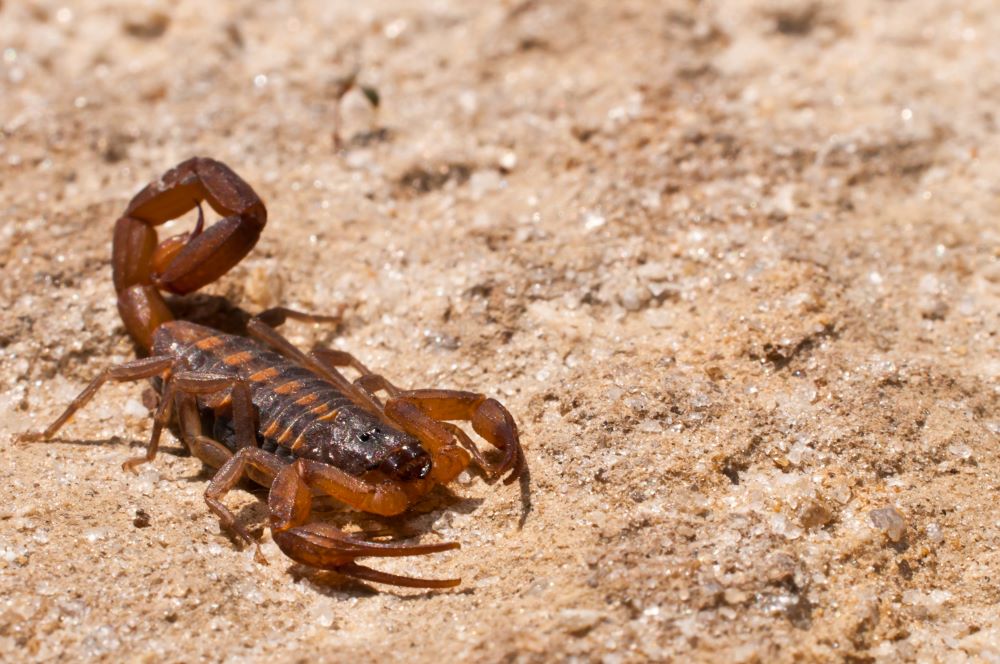
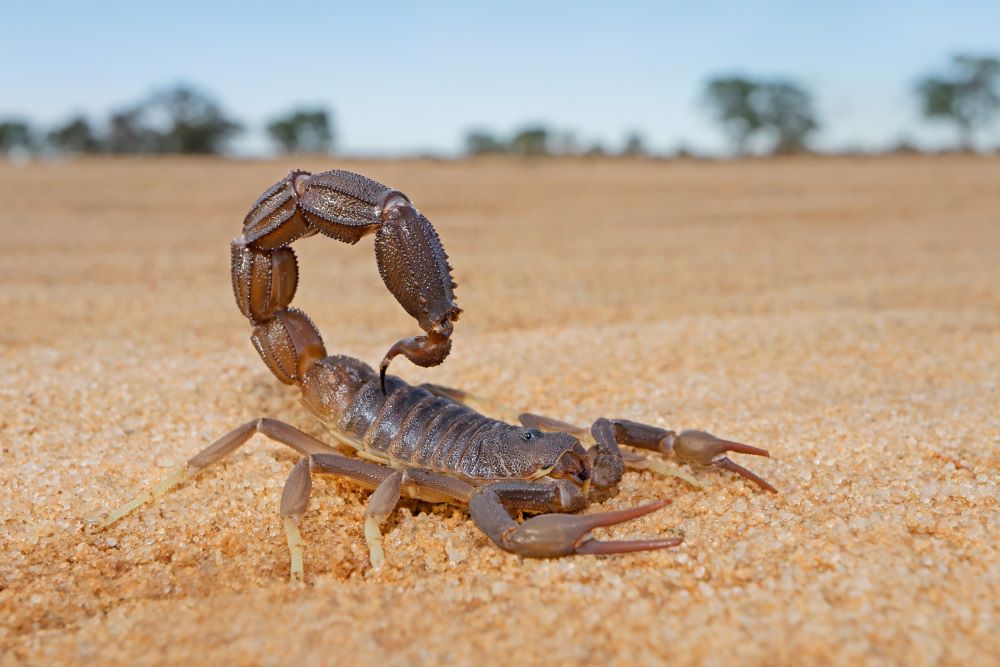
In desert climates like Phoenix and surrounding cities, pests such as spiders, rodents, cockroaches, and scorpions commonly migrate inside when temperatures fluctuate. Seasonal changes can drive them indoors through small openings that homeowners may not even realize exist.

Common Winter Pests Found in Arizona Homes

Different pests become active indoors during winter depending on temperature and environmental conditions. Some of the most common winter invaders in Phoenix area homes include rodents, spiders, ants, and cockroaches. These pests are attracted to indoor warmth and food sources and can remain hidden for long periods.

According to information provided by Green Magic Pest Control, pests can enter through cracks, openings around doors, and structural gaps, which allows them to establish themselves inside walls or hidden spaces.
https://greenmagicpest.com/pest-information/

Because many of these pests are nocturnal, homeowners may not notice them until the infestation becomes more serious.

Why Winter Infestations Often Go Unnoticed

Winter pest infestations frequently go undetected because activity levels appear lower. Many pests remain hidden inside walls, attics, or crawl spaces where they are rarely seen. This allows populations to grow quietly while homeowners assume the problem has disappeared.

Rodents and insects often build nests or colonies during winter because indoor environments provide stable temperatures. Once spring arrives and activity increases, homeowners may suddenly notice a problem that has actually been developing for months.

Early prevention is the most effective way to stop infestations before they spread.

Entry Points Most Homes Have

Even well maintained homes can have small gaps that allow pests inside. Openings around plumbing lines, vents, garage doors, and window frames are common entry points. Cracks in foundations and spaces around utility lines can also provide access.

The National Pest Management Association explains that pests can enter structures through extremely small openings that homeowners may overlook. You can review their prevention guidance here
https://www.pestworld.org/pest-control-information/pest-control-tips/

Sealing these areas is one of the most effective ways to reduce winter pest activity indoors.

Signs You May Have a Winter Pest Problem

Homeowners should watch for warning signs that pests may already be inside. Early detection can prevent infestations from spreading and reduce the need for extensive treatments.

Signs to watch for include droppings, scratching sounds inside walls, musty odors, visible insects, chewed materials, or nests in storage areas. Even one or two sightings can indicate a larger hidden population.

If you notice any of these signs, professional inspection is recommended to determine the source and extent of activity.

Why Preventative Pest Control Works Best

Preventative pest control focuses on stopping infestations before they begin rather than reacting after pests appear. This approach includes sealing entry points, applying protective barriers, and monitoring activity levels. Preventative treatments are especially useful during seasonal transitions when pests are most likely to seek shelter.

Green Magic Pest Control provides customized treatment plans designed to protect homes year round based on local pest behavior and seasonal patterns.
https://greenmagicpest.com/pest-control-services-in-chandler-arizona/

Targeted prevention helps eliminate conditions that attract pests and reduces the likelihood of infestations forming.

How Outdoor Conditions Affect Indoor Pest Activity

Outdoor environmental conditions directly influence indoor pest activity. When temperatures drop at night or during cold fronts, pests instinctively search for stable environments. Homes offer protection from temperature swings, predators, and harsh weather.

Moisture also plays a role. Leaks, condensation, or irrigation near foundations can attract pests that rely on water sources. Addressing moisture issues around your property can significantly reduce pest activity.

Regular inspections of outdoor areas can help identify conditions that may attract pests before they enter your home.

Simple Steps to Protect Your Home

Homeowners can reduce winter pest risks by taking a few preventative measures. Sealing cracks, storing food in airtight containers, keeping landscaping trimmed, and removing clutter around foundations can all make a property less appealing to pests.

Cleaning regularly and reducing excess moisture also helps discourage insects and rodents from settling indoors. These simple steps support professional pest control treatments and improve overall protection.

Why Professional Treatment Is More Effective

Store bought pest control products may provide temporary relief, but they rarely eliminate infestations completely. Professional pest control services target the root causes of pest activity rather than just the visible symptoms. Technicians use specialized products, inspection tools, and treatment methods designed for long term protection.

Green Magic Pest Control has extensive experience treating pest problems specific to Arizona climates and provides solutions tailored to each property. Their local knowledge allows them to identify seasonal pest patterns and apply the most effective treatments.

You can explore their full service options here
https://greenmagicpest.com/services

Stay Protected Throughout the Winter Season

Winter pest invasions are common in Phoenix area homes, but they can be prevented with the right preparation. Understanding how pests behave during cooler months allows homeowners to take proactive steps before infestations begin. Sealing entry points, reducing attractants, and scheduling professional inspections all help protect your home.

Taking action early is the best way to maintain a pest free environment throughout winter. Preventative care not only reduces stress but also saves money by avoiding larger infestations later. A protected home is more comfortable, healthier, and safer for everyone inside.

One of the most common misconceptions in pest control is the belief that a single treatment should completely eliminate an infestation. While one time treatments may reduce visible activity, they rarely account for the full complexity of pest lifecycles. Most household pests exist in multiple stages at the same time, and each stage responds differently to treatment. When this reality is overlooked, pest activity often returns, creating frustration and confusion.

Understanding how pest lifecycles work explains why lasting control requires more than a single service.

How Pest Lifecycles Extend Beyond Immediate Treatment

Many pests develop through distinct stages such as egg, juvenile, and adult. These stages often overlap within the same environment, meaning that while adults may be active and visible, younger stages remain protected and unaffected by treatment.

A one time treatment may successfully reduce the adult population, creating the impression that the problem has been solved. However, eggs and immature pests continue developing and emerge later, restarting activity without any new introduction. This delayed emergence is often mistaken for re- infestation when it is actually the continuation of the original population.

Why Eggs and Juveniles Are Harder to Eliminate

Eggs are designed to survive harsh conditions. Many are protected by durable casings that resist chemicals and environmental stress. Juvenile pests often remain concealed and inactive, limiting their exposure to treatment products.

Because of this protection, early life stages frequently survive initial treatments. Once they mature, they resume feeding and reproduction, allowing the infestation to rebuild even though visible pests were reduced earlier.

How Timing Gaps Allow Populations to Recover

Effective pest control relies on interrupting reproduction cycles. When treatments are spaced too far apart or applied only once, surviving pests are given time to mature and reproduce before the next intervention occurs.

Even a small number of survivors can quickly restore population levels under favorable conditions. This is why one time treatments often produce temporary relief followed by renewed activity weeks later.

Why Different Species Require Different Treatment Timelines

Not all pests develop at the same rate. Some insects mature quickly, while others take weeks or months to complete their lifecycle. Rodents and other pests also have varying reproductive patterns that influence how quickly populations rebound.

One time treatments cannot adapt to these differences. A strategy that works briefly for one species may be ineffective against another. Ongoing service allows treatment plans to adjust based on pest biology rather than relying on a single application.

How Environmental Stability Supports Continuous Development

Indoor environments provide stable temperatures, shelter, and food sources that allow pests to develop year round. Without natural seasonal interruptions, lifecycles overlap continuously, making infestations more resilient.

This stability shortens the window during which one time treatments might be effective. Without follow up service, pest populations continue progressing through their lifecycle uninterrupted.

Why Multi Stage Control Produces Lasting Results

Successful pest control targets multiple life stages over time. This approach reduces the chance that any single stage survives long enough to restart the infestation. Treatments are timed to coincide with development cycles, ensuring that emerging pests are addressed before they can reproduce.

By disrupting the lifecycle rather than reacting to visible activity, long term control becomes achievable.

How Ongoing Service Aligns With Pest Biology

Ongoing pest control is designed around how pests actually live and reproduce. Regular service allows treatments to adapt to lifecycle changes, seasonal pressures, and environmental conditions.

Instead of chasing visible activity, this strategy focuses on population suppression and prevention. When pest biology is accounted for, control becomes more predictable and effective.

Why Understanding Lifecycles Changes Expectations

Expecting permanent results from a single treatment ignores how pests survive and reproduce. Recognizing that pest control is a process rather than a one time event leads to better outcomes and fewer surprises.

When treatments are aligned with lifecycle realities, pest activity declines steadily and remains manageable over time. This approach provides reliable protection and long term peace of mind.

When pest activity returns after treatment, it is often labeled as failure. In reality, many pest issues follow seasonal patterns that cause activity to rise and fall throughout the year. These changes are driven by weather, pest biology, and environmental shifts rather than the effectiveness of previous treatments.

Understanding the difference between re-infestation and treatment failure helps set realistic expectations and explains why consistent service is often necessary.

How Seasonal Changes Influence Pest Movement

Most pests respond strongly to temperature shifts, rainfall patterns, and food availability. As seasons change, pests adjust where they forage, rest, and reproduce. These adjustments often bring them into closer contact with structures even if previous populations were reduced.

For example, pests that were active outdoors during warmer months may shift closer to structures when conditions change. This movement can look like a new infestation when it is actually a seasonal migration pattern.

Why Reduced Activity Does Not Mean Elimination

Treatment often lowers pest activity to levels that are no longer noticeable. During periods of low pressure, pests may remain present at reduced numbers without visible signs. When environmental conditions become favorable again, activity increases and becomes noticeable.

This increase is frequently mistaken for failure when it is actually the result of surviving populations responding to improved conditions. Without ongoing management, these cycles repeat year after year.

How Environmental Conditions Support Reappearance

Rainfall, vegetation growth, and temperature stability all influence pest behavior. Changes in these conditions can increase food availability or shelter, allowing populations to rebound even after successful treatment.

Seasonal re-infestation does not require large numbers of surviving pests. Small populations can expand quickly when conditions support growth. This rapid response creates the impression that pests returned suddenly, even though they were already present at low levels.

Why One Time Treatments Cannot Account for Seasonal Shifts

One time treatments are designed to reduce current activity, not manage long term population changes. Without follow up service, treatments cannot adapt to new environmental conditions that influence pest behavior.

Seasonal changes introduce new pressures that require adjustments in treatment approach. Ongoing service allows these adjustments to happen proactively rather than reactively.

How Consistent Service Manages Seasonal Pressure

Regular pest control accounts for predictable seasonal patterns. Treatments are adjusted based on expected changes in pest activity rather than waiting for visible problems to reappear.

This approach prevents seasonal spikes from developing into full infestations. Instead of chasing activity after it becomes noticeable, consistent service maintains control through changing conditions.

Why Understanding Seasonal Re-infestation Improves Outcomes

Recognizing that pest activity fluctuates seasonally helps align expectations with biological reality. Treatment success should be measured by long term stability rather than the absence of all activity at a single point in time.

When seasonal re-infestation is anticipated and managed, pest control becomes more effective and reliable. This understanding supports better results and reduces frustration over recurring activity.

Pest activity inside a home is often viewed as an external problem, but long term indoor habits play a significant role in whether pests can remain active once they are present. Even when professional treatment is effective, certain routines and conditions can unintentionally support pest survival and slow down long term control.

Understanding how daily habits affect pest behavior helps explain why some infestations linger while others resolve more quickly.

Why Consistent Food Availability Supports Ongoing Pest Activity

Many pests do not need large amounts of food to survive. Small, recurring sources are enough to sustain populations over time. Crumbs, residue, and food left accessible overnight can provide steady nourishment even in otherwise clean homes.

When food sources are consistently available, pests have less incentive to relocate or decline after treatment. Over time, this stability allows populations to recover more easily between service visits.

How Indoor Climate Stability Allows Pests to Remain Active

Modern homes maintain stable temperatures year round. While this improves comfort for occupants, it also creates ideal conditions for pests that would otherwise slow down during colder or hotter periods.

Stable indoor environments allow pests to continue feeding and reproducing without seasonal interruption. This constant activity shortens the effectiveness window of treatment unless control strategies are adjusted to account for uninterrupted development.

The Impact of Storage and Clutter on Pest Persistence

Storage habits influence how easily pests can remain undisturbed. Cardboard, stacked items, and long term storage areas provide shelter and protection from routine activity. These spaces allow pests to avoid exposure and remain active without being noticed.

When storage patterns remain unchanged over long periods, pest populations have more opportunities to persist despite treatment efforts. Addressing these habits helps reduce protected areas where pests can recover.

Why Small Habits Have Long Term Effects

Minor habits repeated over time have a cumulative impact. Leaving pet food out overnight, delaying trash removal, or allowing moisture to remain after routine tasks may seem insignificant on their own. Over months or years, these behaviors create consistent conditions that support pest survival.

Pests adapt quickly to predictable environments. When conditions remain unchanged, infestations become more resilient and require greater effort to control.

How Behavior Awareness Improves Treatment Results

Successful pest control combines professional treatment with awareness of how daily habits influence outcomes. When indoor conditions no longer support pest survival, treatments become more effective and lasting.

Adjusting long term habits does not require drastic lifestyle changes. Small, consistent improvements can significantly reduce pest pressure and help maintain control over time.

One of the most common reasons pest problems seem difficult to resolve is not treatment failure, but timing. Many pests do not exist in a single life stage at any given moment. Eggs, juveniles, and adults often coexist within the same environment, each responding differently to treatment. When these overlapping life cycles are not accounted for, infestations can appear to persist even when treatments are working as intended.

Understanding how pest life cycles function explains why a single treatment rarely produces immediate, permanent results.

Why Different Life Stages Respond Differently to Treatment

Most pest control products are designed to target active pests, not dormant or developing stages. Adult insects are typically more exposed and easier to eliminate, while eggs and immature stages are often protected by casings or environmental conditions that limit exposure.

As a result, treatments may reduce visible activity quickly, only for new pests to emerge days or weeks later. This delayed activity is often mistaken for re-infestation when it is actually the next stage of the original population reaching maturity.

How Treatment Timing Affects Population Control

Effective pest control relies on interrupting the reproductive cycle. When treatments are applied without regard to pest development timelines, gaps can occur that allow populations to rebound. Even small delays between treatments may give surviving pests enough time to reproduce and restore numbers.

Coordinated treatment schedules are designed to target pests as they transition between life stages. This approach reduces the chance that any one stage escapes exposure and continues the cycle.

Why Multiple Pest Species Increase Complexity

Homes and commercial properties often host more than one pest species at a time. Each species has its own life cycle, reproductive rate, and seasonal behavior. When these cycles overlap, treatment plans must account for multiple timelines simultaneously.

Ignoring this complexity can result in treatments that are effective against one pest while allowing another to continue developing. A comprehensive approach considers how different pests interact and ensures control efforts are aligned across species.

How Environmental Conditions Extend Life Cycles

Temperature, humidity, and food availability influence how quickly pests develop. Stable indoor environments often allow pests to reproduce year round rather than following seasonal patterns. This continuous development increases the likelihood of overlapping generations.

When life cycles are extended in this way, infestations become more resilient. Treatment plans must adapt to these conditions rather than relying on seasonal assumptions.

Why Long Term Control Requires a Lifecycle Based Strategy

Successful pest control is not about eliminating what is visible today. It is about disrupting reproduction and development over time. Lifecycle based treatment strategies account for eggs, juveniles, and adults, ensuring that each stage is addressed in sequence.

By aligning treatments with pest biology, long term control becomes achievable. This approach reduces recurring activity and provides more consistent results than single stage treatments.

How Professional Planning Improves Treatment Outcomes

Professional pest control incorporates lifecycle knowledge into every treatment plan. This includes selecting products, scheduling follow up visits, and adjusting strategies based on observed activity.

When overlapping life cycles are considered from the start, infestations are resolved more efficiently and with fewer surprises. This planning focused approach provides lasting control rather than temporary suppression.

Many pest problems start with a simple assumption. A homeowner sees insects or signs of activity and assumes all pests behave the same way. In reality, accurate pest identification is one of the most important steps in effective pest control. Treating the wrong pest or using a one size fits all approach often leads to recurring infestations, wasted money, and growing damage. Understanding what pest is present allows treatment to target the source of the problem instead of just the symptoms.

Different Pests Require Different Treatment Methods

Each pest species has unique behaviors, nesting habits, and food sources. Ants, cockroaches, termites, rodents, and wildlife all respond to different control strategies. A treatment that works well for ants may have no effect on roaches. Rodent control focuses on exclusion and trapping, while insect control often relies on habitat modification and targeted applications. Without proper identification, treatments are often mismatched and ineffective.

Misidentification Leads to Repeated Infestations

One of the most common reasons pest problems return is incorrect identification. For example, carpenter ants are often mistaken for termites, yet they require completely different treatment plans. Treating pantry moths like clothing moths leaves the real food source untouched. When the root cause is not addressed, pests simply continue breeding and reappear weeks later. Accurate identification prevents repeated infestations by ensuring the correct approach is used from the start.

Pest Behavior Determines Where Treatments Are Applied

Knowing what pest is present determines where treatment should be focused. Some pests nest outdoors and enter homes only to forage. Others live entirely inside wall voids, attics, or crawl spaces. Applying treatments in the wrong areas may reduce visible activity temporarily but fails to eliminate the colony or nesting site. Proper identification helps technicians target entry points, nesting areas, and travel routes that matter most.

Life Cycles Impact Treatment Timing

Pests go through different life stages that affect how they respond to treatment. Eggs, larvae, and adults may require different control methods. Some pests reproduce rapidly, while others have seasonal cycles. Treating during the wrong phase can limit effectiveness. Pest identification allows professionals to choose treatment timing that interrupts breeding cycles and prevents population growth.

Environmental Factors Vary by Pest Type

Moisture, temperature, and shelter play different roles depending on the pest. Cockroaches and silverfish thrive in damp environments. Rodents seek warmth and food sources. Beetles and moths are often tied to specific materials like fabric or stored goods. Correct identification reveals what environmental factors are supporting the infestation. Addressing these conditions is just as important as applying treatments.

Safety and Product Selection Depend on Identification

Not all pest control products are appropriate for every situation. Some treatments are designed for indoor use, while others are for exterior applications. Certain products are safe for specific pests but unnecessary or ineffective for others. Proper identification ensures the right materials are used safely and responsibly, minimizing exposure risks while maximizing results.

Structural Damage Varies by Pest

Different pests cause different types of damage. Termites weaken structural wood. Rodents chew wiring and insulation. Wildlife damages roofing and attic spaces. Treating a pest problem without understanding the potential damage risks may leave parts of the home vulnerable. Identification helps prioritize repairs, exclusion work, and long term prevention strategies.

Why Visual Signs Alone Are Not Enough

Many pests leave behind similar signs, such as droppings, noise, or damage. Scratching sounds could indicate rodents or wildlife. Small droppings could belong to mice, bats, or insects. Relying on surface level signs often leads to incorrect conclusions. Professional identification uses inspection techniques that go beyond what is visible, uncovering the true source of activity.

Professional Identification Leads to Long Term Control

Professional pest control begins with a thorough inspection and accurate identification. This process allows technicians to create a customized treatment plan that addresses the pest species, nesting habits, entry points, and environmental conditions. Long term prevention depends on this foundation. When pests are identified correctly, treatments are more effective, infestations are resolved faster, and the risk of recurrence is greatly reduced.

Effective Pest Control Starts With Knowing the Pest

Pest identification is not a minor detail. It is the foundation of successful treatment. Knowing what pest is present determines how it entered, where it nests, how it feeds, and how it should be eliminated. Accurate identification saves time, reduces damage, and delivers lasting results. For homeowners, this means fewer repeat problems and greater peace of mind.

Why Pests Are a Hidden Source of Allergies

Most homeowners associate allergies with pollen, dust, or seasonal changes, but pests are one of the most overlooked triggers. Many insects and rodents produce allergens through their droppings, saliva, shed skin, body fragments, and nesting materials. When these particles become airborne, they circulate throughout the home and enter the respiratory system. For sensitive individuals, this can lead to allergic reactions that appear to have no clear cause. Because these symptoms often mimic seasonal allergies, many people do not realize pests are playing a role until the problem grows large enough to cause noticeable discomfort.

How Cockroaches Spread Allergens Indoors

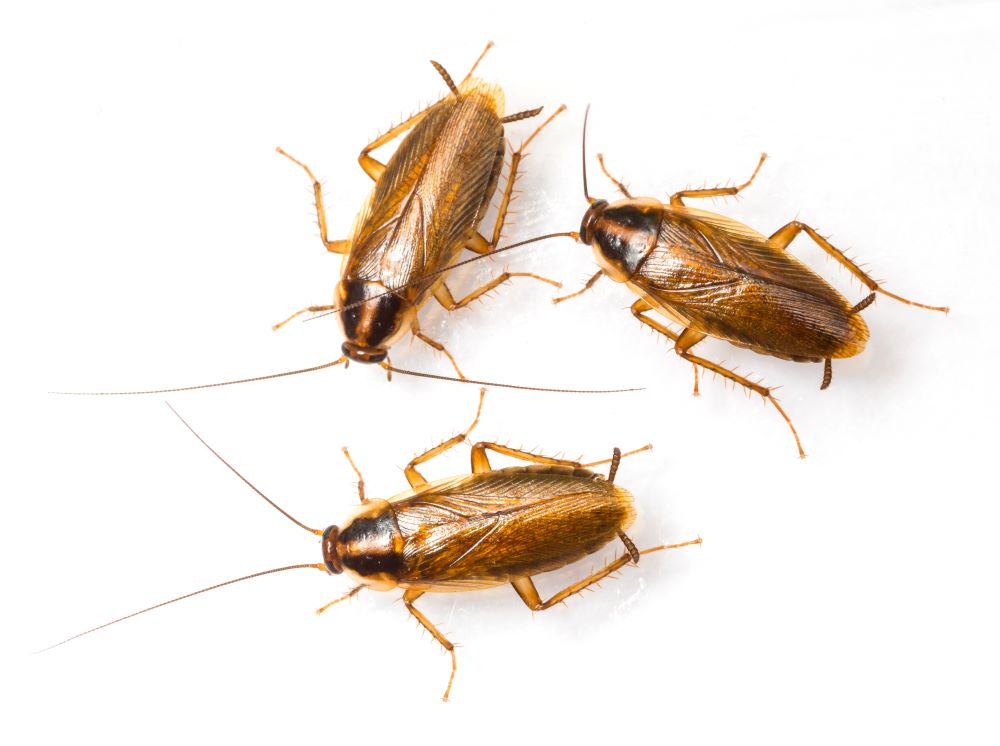
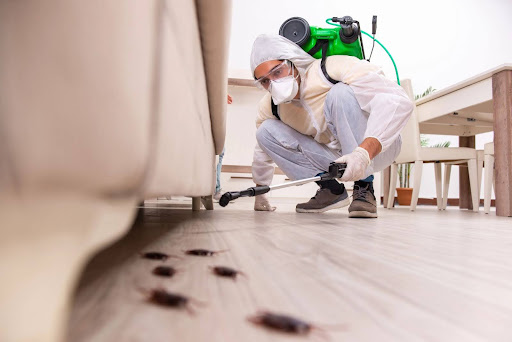
Cockroaches are one of the most common indoor allergen sources. Their droppings, saliva, and shed skin break down into microscopic particles that settle on furniture, bedding, floors, and air vents. Once disturbed, these particles circulate through the air and cause reactions.
Common cockroach induced allergy symptoms include:
• Sneezing
• Coughing
• Itchy or watery eyes
• Chest tightness
• Persistent congestion
Children are especially sensitive because they spend more time playing close to the ground where allergens settle. When roaches live behind walls, under sinks, or inside appliances, the allergens spread even before the infestation becomes visible. Regular pest control is essential to lowering these indoor allergen levels.

Why Rodents Trigger Strong Allergy Reactions

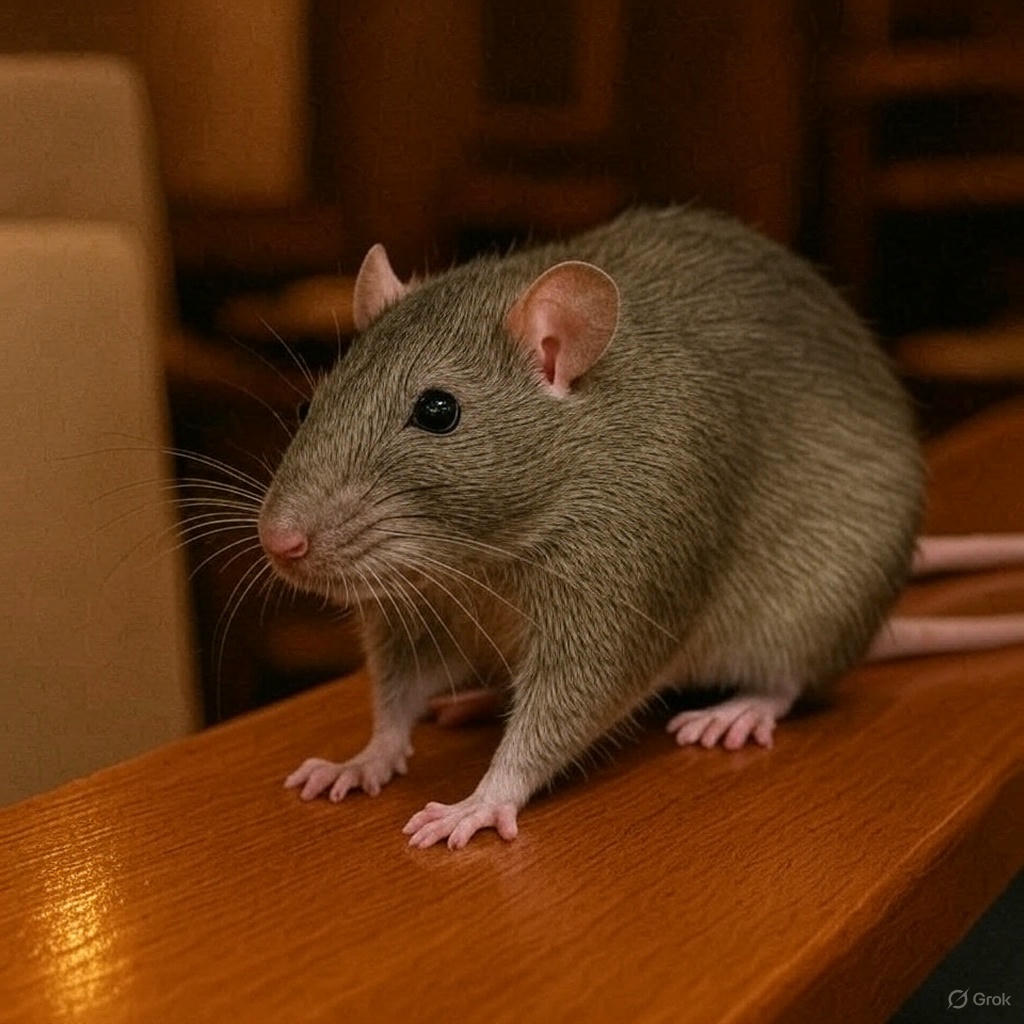
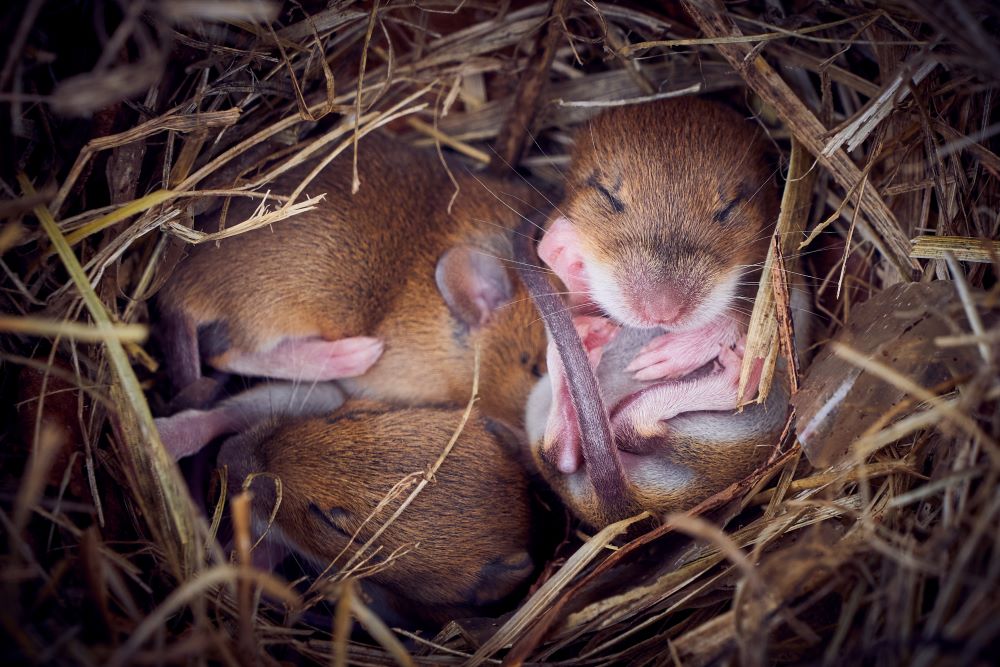
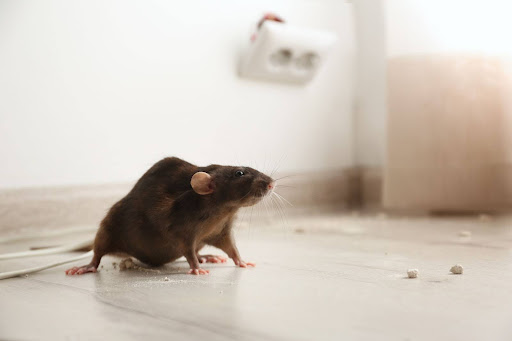
Mice and rats create a wide range of allergens in a home. Their droppings dry out and become powdery, allowing small particles to drift through the air. Their urine also contains proteins that trigger reactions when it evaporates. As rodents gnaw, nest, and shed hair, they leave behind additional irritants.
Rodent allergens can:
• Aggravate asthma
• Cause chronic sinus irritation
• Trigger skin reactions
• Make allergy medication less effective
Rodents move through attics, wall voids, and ventilation areas, allowing allergens to spread through the entire home even if the homeowner never sees a single rodent.

How Dust Mites Thrive in Pest Related Conditions

Dust mites are not usually classified as pests in the traditional sense, but they thrive in environments created by pest activity. Moisture issues caused by leaks or pest damage create ideal conditions for mites. They feed on microscopic organic debris, including shed insect skins. When pest populations grow, dust mite numbers tend to grow as well.
Dust mite allergens are one of the leading causes of year round indoor allergy symptoms such as:
• Morning congestion
• Nighttime coughing
• Itchy skin
• Runny nose
• Difficulty breathing in humid rooms
Addressing pest problems helps reduce conditions that allow dust mites to flourish.

How Stinging Insects Create Allergic Reactions Beyond Stings

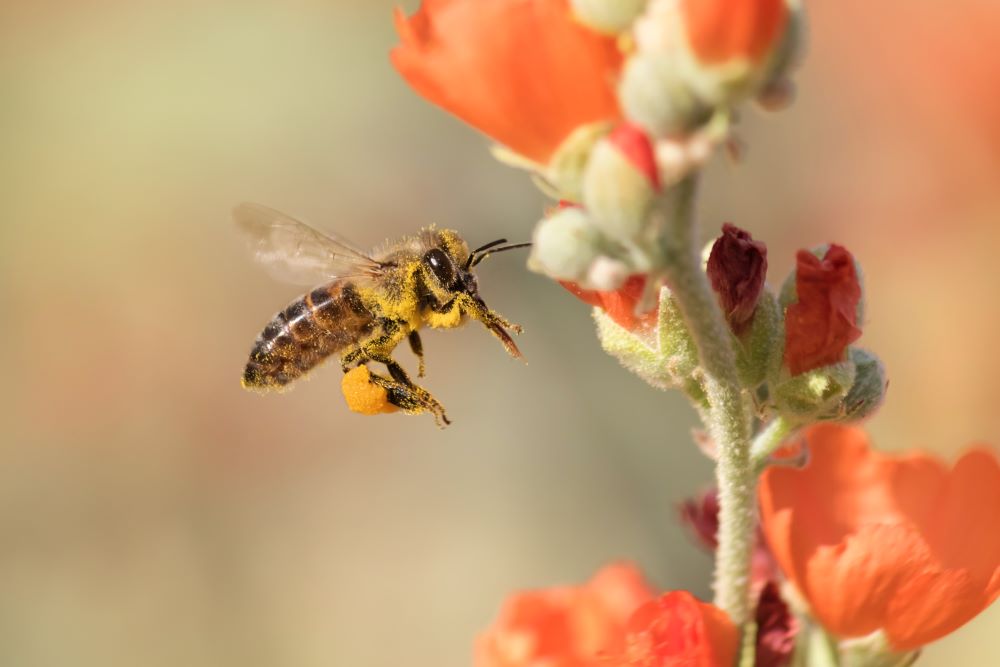
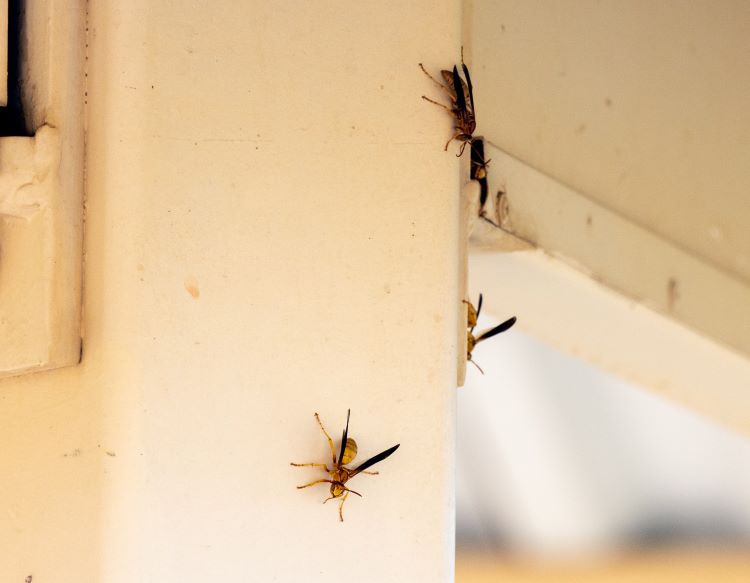
Bees, wasps, and hornets are obvious allergy threats because their stings can cause severe reactions, but their nests also produce airborne irritants. When insects chew wood to make paper like nests, they create tiny particles that spread through the air. Individuals with respiratory allergies may experience discomfort when these nests are located near doors, windows, or attic vents.
Even abandoned nests can continue releasing irritants. Removing nests safely and preventing future activity protects the home and reduces allergy risks.

How Ants Contribute to Allergy Symptoms

Ants are not typically associated with allergies, but certain species leave behind chemical trails and shed body parts that can irritate sensitive individuals. When a colony forms inside walls or under flooring, the amount of allergen producing material increases significantly.
Ant related allergy signs include:
• Unexplained sneezing
• Irritated skin after contact with ant trails
• Persistent itching in areas where ants travel
Because ants move in large numbers, they distribute allergens across many surfaces in a short amount of time.

Why Moisture and Pests Make Allergies Worse

Moisture is a major factor in allergen buildup. Many pests are drawn to damp environments such as crawl spaces, basements, bathrooms, and kitchens. When pests gather in these areas, they leave behind allergens that combine with mold spores, creating stronger respiratory irritants.
Common moisture related allergy effects include:
• Increased asthma flare ups
• Lingering cough
• Difficulty breathing in certain rooms
• Sinus headaches
If the environment continues to support pests, these symptoms will persist year round rather than just during allergy season.

How Air Circulation Spreads Pest Allergens Throughout the Home

Once pest based allergens enter the air, they spread quickly. HVAC systems circulate these particles from room to room, making it impossible to avoid exposure. Even if the infestation is confined to one part of the home, allergens travel into living areas, bedrooms, and common spaces.
Dirty air ducts can trap pest debris such as rodent hair, roach fragments, or insect droppings, releasing them gradually over time. Regular pest control paired with proper ventilation care helps keep allergen levels low.

How Professional Pest Control Reduces Allergy Symptoms

Pest control does more than remove pests. It removes the environmental factors that trigger allergies. A comprehensive treatment plan includes:
• Identifying hidden colonies
• Removing nests and droppings
• Treating moisture areas
• Sealing entry points
• Reducing food sources
• Preventing reinfestation
By eliminating pests, the home naturally becomes cleaner, healthier, and easier to maintain. When allergen sources are removed, symptoms often improve within days.

Why Homeowners Should Act Quickly When Allergy Signs Appear

Allergies related to pests usually grow worse over time. Delayed action allows pests to multiply and spread more irritants throughout the home. Addressing the issue early prevents long term buildup and makes treatment easier and faster.
When allergies worsen indoors, or symptoms appear in certain rooms, it is often a sign that pests are involved. A professional inspection can identify the source and create a plan to eliminate both the pests and the conditions that support them.

Categories

Contact Us Today to Get Started