Top
We Proudly Serve Mesa, Gilbert, Chandler, Queen Creek, Tempe, Maricopa, Scottsdale, San Tan, Paradise Valley & Phoenix, Arizona

Blogs

Category: Pest Control

Moving into a house on the eastern side of Scottsdale means living closer to open desert than most people expect. Neighborhoods off Pima Road, up around Pinnacle Peak, out toward Troon North and the Tom’s Thumb trailhead, all sit within a short walk of land that has never been anything but Sonoran Desert. That boundary is the single biggest reason pest pressure here works differently than it did wherever you moved from. Scottsdale AZ pest control services are built around that edge, not around the kind of seasonal indoor nuisance problems common in the Midwest or on the East Coast.

The animals on the other side of that boundary do not recognize it as a boundary. A roof rat, a pack rat, a bark scorpion, and a swarm of honey bees all read a stucco house with a tile roof as terrain. It is shaded, it is irrigated, it holds heat at night and blocks heat during the day, and it is full of gaps. Compared with open desert, it is an upgrade. Understanding that one idea covers most of what people new to the Valley need in their first year.

pest control in Scottsdale AZ for desert neighborhood homes on the preserve edge
Neighborhoods on the desert edge get steady pest pressure year round.

The Preserve, the Washes, and the Golf Course Greenbelts

Scottsdale runs roughly thirty miles north to south, and the McDowell Sonoran Preserve wraps a large share of the northern half. Add the Indian Bend Wash greenbelt running down the middle of the city, the drainages that feed out of the McDowells and Cave Creek, and the irrigated turf running through McCormick Ranch, Gainey Ranch, and Grayhawk, and you get a connected set of corridors. Animals move from wild land into occupied neighborhoods along those corridors without ever crossing much exposed ground.

Those corridors matter most after weather. When a wash carries water during monsoon season, everything sheltering in the banks gets pushed out, and pushed out usually means uphill toward the nearest block wall and landscaped yard. The same thing happens in reverse during a long dry stretch in May and June, when the only reliable water within a mile is a drip line, a pool deck, or a leaking hose bib. This is why an established treatment plan across the communities we cover in Maricopa County leans so heavily on the exterior perimeter rather than on indoor spraying.

Roof Rats Live in the Trees Long Before They Live in the Attic

Roof rats are not a desert animal at all. They arrived with landscaping, and they are now well established through central and southern Scottsdale. If your street was built in the 1970s or 1980s and has grapefruit and orange trees, oleander hedges, and tall palms with dead frond skirts, you have the exact habitat they want. They nest above ground, they travel along block walls, irrigation lines, and overhanging branches, and they enter buildings through roof tile gaps, attic and gable vents, dryer vents, and the space where a patio roof meets the fascia.

The tell is usually sound rather than sight. Scratching or rolling noises across the ceiling shortly after dark, hollowed out citrus still hanging on the tree, and greasy rub marks along the top of a wall are the three signs that come up most often. Chewed low voltage landscape wiring and damaged attic insulation follow. Effective rodent control and exclusion work here is mostly about closing the roofline and cutting the highways, not about setting a few traps and hoping. We have written more about how rodent problems develop around Scottsdale if you want the longer version.

One warning for anyone tempted to solve this with a hardware store bait station. Rodenticides carry real secondary risk to dogs, cats, and to the owls and hawks that hunt in the preserve, and the EPA guidance on rodenticide use and safety is worth reading before anything gets placed outdoors. A licensed technician has both better placement options and the training to use them.

Pack Rats Build Where You Park

The white throated woodrat, which almost everyone here calls a pack rat, is the native cousin of the roof rat and behaves nothing like it. Pack rats build middens, which are mounded nests of cholla joints, palo verde twigs, dog food, insulation, and anything shiny they can drag. In North Scottsdale you find these under sheds, behind stacked pavers, inside stored patio furniture, in the base of a prickly pear, and, far too often, in the engine bay of a vehicle parked outside overnight.

That last one is the expensive version. A pack rat will pull nesting debris onto a warm engine block and chew through wiring harnesses in a single night. People who moved from a place where nothing lives in a parked car tend to learn this the hard way. Repeat visits mean there is harborage nearby, which is why wildlife and nuisance animal removal is handled as a property problem rather than a single animal problem. Clear the midden, remove the harborage, then keep the perimeter treated.

rodent control as part of pest control in Scottsdale AZ homes
Roof rats and pack rats are two different animals with two different control strategies.

Bark Scorpions Come From the Rock, Not From a Dirty Kitchen

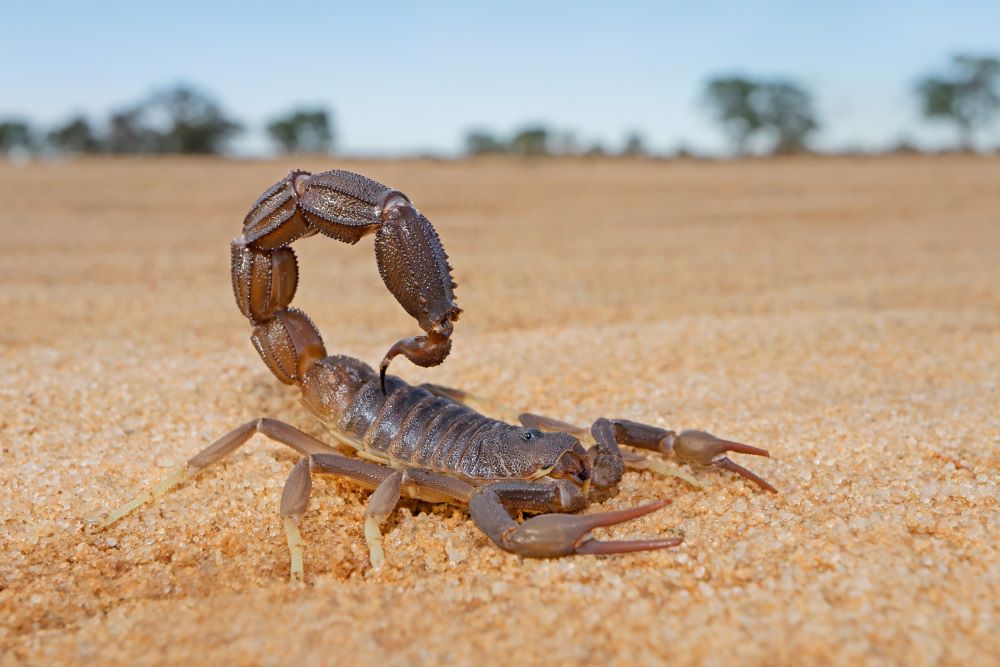
The Arizona bark scorpion is the one species in the state whose sting is a genuine medical concern for small children, elderly family members, and pets. It is also the pest most misunderstood by people who just arrived. Bark scorpions are not attracted by food waste or clutter. They want tight, dry crevices, and they follow the insects they eat. Block wall cavities, landscape rock, stacked firewood, pool equipment pads, and the weep holes and stem wall gaps on the house itself are all ideal.

They can squeeze through an opening about the width of a credit card, they climb stucco and hang upside down on ceilings, and they are active at night from roughly March through October, with the sharpest activity in the heat of summer. Because they glow under ultraviolet light, a nighttime inspection is the honest way to know what a property is holding. Our Black Light Scorpion Service exists for exactly that, and the broader scorpion control program pairs it with crack treatment and harborage removal. If you want the local background first, read what makes Scottsdale scorpion activity distinctive.

Bees and Wasps Treat a House Like a Cliff Face

Africanized honey bees are established across Maricopa County, and they do not build in convenient places. Water meter boxes, irrigation valve boxes, block wall voids, chimney flues, roof eaves, and abandoned rodent burrows all work for them. A swarm can move in and start comb within a day or two, and the colony becomes defensive as it grows. A lawn mower, a string trimmer, a pool pump, or a curious dog is enough to set off a defensive response.

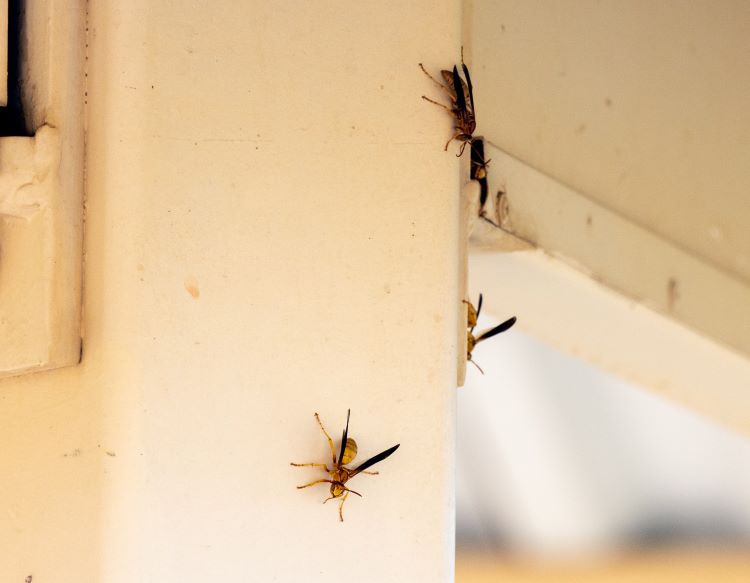
The correct move is to back away, get people and pets indoors, and call for bee and wasp removal rather than spraying the entrance yourself. Paper wasps under patio beams and in Bougainvillea are a smaller version of the same problem and usually a routine part of exterior service.

Your First Year on the Desert Edge

The rhythm here surprises people. There is no true off season. Spring brings ants, crickets, and the beginning of scorpion movement. Summer heat drives everything toward water and shade, which means indoors. Monsoon storms from July into September push insects and rodents out of washes and into yards, and the cooler nights of October and November send roof rats looking for an attic. Winter slows things down without stopping them, and termite activity continues underground the entire time.

Because of that pattern, pest control in Scottsdale AZ is normally handled as recurring exterior service with interior work only when it is warranted. A one time spray in July does not survive August. If you want to see how the first visit is structured, our page on what the initial treatment covers lays out the process, and the pest identification library is a decent reference for figuring out what you are looking at before you call anyone.

Getting Set Up in a New House

Green Magic has been working the East Valley and North Scottsdale since 2016 out of a shop in Chandler, and the approach is deliberately low pressure. Technicians are paid by the day rather than by the job, so nobody has a reason to sell you something you do not need. Products are organically derived and chosen to be safe around kids and pets, and every service is backed by a bugs gone or your money back guarantee. Choosing a pest control company in Scottsdale AZ that will actually walk your roofline, your wall caps, and your irrigation before quoting is worth more than a low headline price.

If you just closed on a house and want the property assessed before anything becomes a problem, look at our Scottsdale service page or go ahead and schedule a visit. Same day service is often available.

Frequently Asked Questions

Why do I see more pests near the McDowell Sonoran Preserve?

Homes on the preserve edge sit directly against undeveloped Sonoran Desert, so bark scorpions, pack rats, spiders, and snakes have a short trip from natural habitat to a landscaped yard. Irrigation, shade, and block walls make the yard more comfortable than the open desert, which is why the pressure is steady rather than seasonal.

Are roof rats really a problem in Scottsdale or just in Phoenix?

Roof rats are established throughout the central and southern parts of Scottsdale, especially in older neighborhoods with mature citrus, oleander hedges, and unskirted palms. Areas like McCormick Ranch, Scottsdale Ranch, and the Indian Bend Wash corridor have the tree canopy and irrigation that roof rats depend on.

What should I do if I find a pack rat nest in my car?

Do not start the engine before checking it. Pack rats pull nesting material into engine bays and chew wiring harnesses, so a nest can cause an electrical fault or a fire. Have the nest removed, then address the harborage in the yard so the animal does not simply rebuild in the same spot.

Is professional treatment safe around kids and dogs?

Green Magic uses organically derived, pet safe and child safe products, and a technician will walk you through re-entry timing for any treated area before leaving. If you have a pool, a garden bed, or an outdoor water bowl, tell the technician so those areas are handled accordingly.

How soon after moving in should I schedule service?

Sooner is better. A first treatment establishes an exterior barrier and lets a technician document the entry points and harborage on the property before a problem starts. That baseline is far cheaper than reacting to an attic full of roof rats in November.

Green Magic Pest Control has served Scottsdale AZ and the surrounding Valley since Matt founded the company in 2016. Our bug wizards use organically derived, pet safe products and back every visit with a bugs gone or your money back guarantee. Book your service online or call our Chandler office at (480) 999-5302.

Signing a lease in Gilbert usually comes with a walkthrough, a set of keys, and a quiet assumption that bugs are somebody else’s department. That assumption is where most of the trouble starts. People renting near Morrison Ranch, Val Vista Lakes, Agritopia and the apartment corridors along Gilbert Road and the Loop 202 Santan Freeway deal with the same bark scorpions, German cockroaches and roof rats that owners two streets over deal with. The difference is that a tenant has less say over when treatment happens, which makes it worth knowing what is actually true about desert pest pressure and what is just repeated because it sounds right.

After years of running a pest control company in Gilbert AZ, our technicians hear the same handful of beliefs in rental after rental. Most of them are not wild ideas. They are half true, which is exactly what makes them expensive. Here are the ones that cause the most repeat visits, and what tenants in Maricopa County can do instead.

Myth one, pest control is entirely the landlord’s job

This one is close enough to true that it fools people. In Arizona, a landlord is generally responsible for keeping a rental fit to live in, and that includes handling infestations that were present at move in or that come from the structure itself. What it does not mean is that a tenant can ignore the problem and wait. Arizona law also asks tenants to keep the unit reasonably clean and to report problems in writing. If a tenant sees cockroach droppings in a cabinet in March and says nothing until June, the population has multiplied through several generations and the treatment plan becomes much longer.

The practical version is simple. Report in writing, keep a copy, take photos with a date, and follow up. A property manager who receives a clear written report with images almost always moves faster than one who gets a passing comment at the mailbox. If the building already has a service agreement in place, ask which company handles it and when the next scheduled visit is, because joining an existing rotation is faster than starting a new file.

pest control in Gilbert AZ technician inspecting a German cockroach problem in a rental kitchen
German cockroaches spread through shared walls and plumbing chases in multifamily buildings.

Myth two, no bugs in sight means no problem

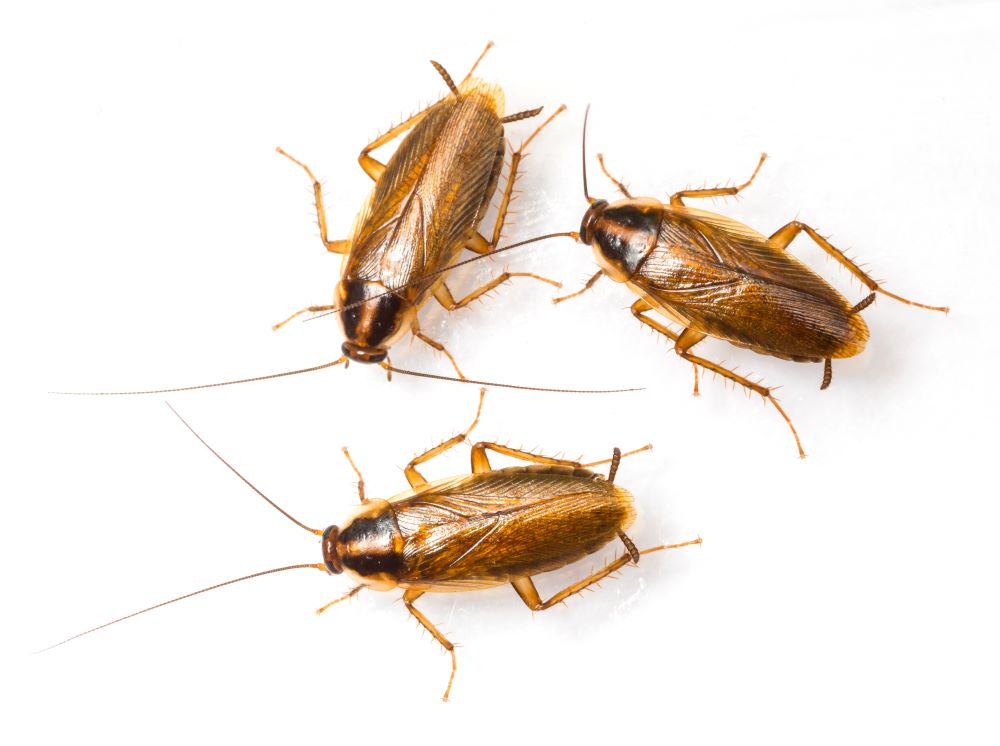
Almost everything that matters in the East Valley is nocturnal and secretive. Bark scorpions spend daylight hours wedged into block wall voids, under landscape rock, and inside the gap where a stem wall meets stucco. German cockroaches live inside warm cabinet voids and behind dishwashers, and by the time one wanders across a lit kitchen floor at nine in the evening, the harborage behind the wall is already crowded. Roof rats move along block walls and irrigated citrus after dark and rarely show themselves.

What a tenant can see are the traces. Pepper flake droppings along the back edge of a pantry shelf. A shed skin near a baseboard. A faint smear along a pipe entry under the sink. Chewed corners on a bag of dog food in the laundry room. Those signs show up weeks before anyone actually sees the pest, and acting on the trace instead of waiting for the sighting is the single biggest advantage a renter has.

Myth three, a fogger will handle it

Total release foggers are still sold in every hardware store on Baseline Road, and they remain one of the most counterproductive purchases a tenant can make. A fogger releases a broad mist that settles on open surfaces. It does not reach into the wall voids, motor housings and cabinet hinges where German cockroaches actually live. What it does reliably do is irritate the population and push it outward, which is how a problem confined to one apartment becomes a problem in three units on the same plumbing stack. The same logic applies to bug bombs marketed for spiders, and it is worse with bed bugs, which scatter into adjacent rooms when disturbed.

Electronic repellers deserve the same skepticism. Plug in devices that claim to drive pests out with sound or vibration have never held up in controlled testing, and we have written before about why electronic roach repellents do not solve an active infestation. Money spent on those devices is money not spent on the thing that works, which is targeted product placed where the pest lives.

Myth four, bed bugs mean the place is dirty

Bed bugs care about one thing, which is a sleeping host. They travel in luggage, in used furniture, in backpacks left on a bus seat, and along shared walls and outlets in multifamily buildings. A spotless studio near the Heritage District is exactly as vulnerable as a cluttered one. The stigma is the real damage here, because it keeps tenants from reporting early, and early is when treatment is cheapest and most likely to succeed.

If bites appear in a line or cluster on skin exposed during sleep, pull the sheets back and check the seams of the mattress, the box spring edge, and the joint where the headboard meets the wall. Look for rust colored spotting and small dark specks. The federal Environmental Protection Agency bed bug resource center has a plain language identification guide worth reading before you contact anyone. Then report it, and do not throw the mattress out on the curb, because moving infested furniture through a building is how neighboring units get seeded. Our bed bug treatment process is built around treating in place rather than hauling furniture out.

Gilbert AZ pest control services for bark scorpions found along a rental home block wall
Bark scorpions shelter in block walls and landscape rock and slip inside through small gaps.

Myth five, one treatment finishes the job

Nearly every pest that matters here has a life stage that no product reaches. Cockroach eggs sit protected inside an ootheca. Flea pupae wait inside carpet fibers. Scorpions molt and can be temporarily insensitive to residual product. A single visit knocks down the active adults and looks like a complete win for about ten days, and then the next generation emerges and the tenant concludes the treatment failed.

It did not fail. It was one step of a sequence. A realistic plan for an active indoor population is an initial service followed by a second visit inside the egg hatch window, then a recurring exterior perimeter schedule to keep pressure off the building. That is why our initial treatment is scoped differently from a routine maintenance visit. For tenants in larger buildings, the exterior and common area work matters more than anything happening inside a single unit, which is the whole premise behind apartment and multifamily service.

Myth six, winter is the off season

Pest pressure in the East Valley changes shape in winter, it does not stop. Bark scorpions do not truly hibernate. They slow down, cluster, and move toward stable temperatures, which often means the interior of a heated building. Rodents get more aggressive about finding a way in as nights cool, and a quarter inch gap under a garage side door is all a mouse needs. Ants retreat and then surge back the moment the first warm week arrives in February.

Tenants who cancel service in November often spend March dealing with a population that spent the winter establishing itself indoors without competition. Year round pest control in Gilbert AZ is not upselling, it is the reason spring stays quiet. Anyone comparing Gilbert AZ pest control services across the East Valley should be asking how the schedule handles the cool months, not just the monsoon.

Myth seven, a renter cannot do anything until the landlord acts

There is a real list of things a tenant controls, and it makes a measurable difference. Weatherstripping on an entry door is usually replaceable without a work order and closes the most common scorpion entry point. Door sweeps on the garage to house door matter for the same reason. Keeping pet food in a sealed container instead of an open bag removes a reliable draw for both roaches and rodents. Pulling stored boxes six inches off the floor of a closet removes spider harborage. Cutting back oleander or bougainvillea so it is not touching the exterior wall removes a bridge that scorpions and roof rats both use.

None of that replaces treatment, and none of it fixes a structural gap that only a landlord can authorize. But it narrows the problem enough that when a technician does arrive, the visit actually holds. Renters who do this work alongside scheduled service consistently report fewer sightings than neighbors in identical units who do not.

Getting it handled in Gilbert

Green Magic has been treating homes and rentals across Gilbert since 2016, from the older streets near Freestone Park out to the newer builds off Higley Road and Queen Creek Road. Our technicians are paid by the day rather than by the job, which means nobody is rushing through a unit to get to the next stop, and there is no pressure to add services you do not need. Products are organically derived and chosen with kids and pets in mind, which matters when a tenant cannot exactly relocate for a week.

If your unit has an active problem, or if you want to stop the cycle before the next warm stretch, reliable scorpion control and general service is a phone call away. Same day appointments are often available, and every service carries a bugs gone or your money back guarantee. You can book a visit online or call the Chandler office at (480) 999-5302.

Frequently asked questions

Who pays for pest control in a Gilbert AZ rental, the landlord or the tenant?

In most cases the landlord is responsible for treating an infestation tied to the building or one that existed at move in, while the tenant is expected to keep the unit reasonably clean and report problems promptly in writing. Lease terms vary, so read the pest clause in your agreement and put every report in writing so there is a record.

Can I treat my apartment for scorpions on my own?

You can reduce risk by sealing gaps, replacing worn weatherstripping, and clearing clutter and debris near the exterior wall, but store bought sprays do not reach the block wall voids and stem wall gaps where bark scorpions actually shelter. Professional exterior work paired with a black light inspection is what reliably lowers indoor sightings.

How long does it take to clear German cockroaches from an apartment?

Plan on several weeks rather than a single visit. Cockroach eggs are protected inside a casing that products do not penetrate, so an initial treatment is followed by a second service timed to the hatch window, and in multifamily buildings adjacent units often need to be treated at the same time.

Do bed bugs mean my rental is dirty?

No. Bed bugs are hitchhikers that arrive in luggage, used furniture, or through shared walls in multifamily buildings, and a spotless unit is just as vulnerable as a cluttered one. Reporting early is what keeps treatment quick and inexpensive, so there is no reason to delay out of embarrassment.

Does pest activity in Gilbert slow down during winter?

It changes rather than stops. Scorpions cluster and move toward warmth instead of hibernating, rodents push harder to get indoors as nights cool, and ants surge back with the first warm week of the year. Keeping service running through the cool months is what keeps spring manageable.

Green Magic Pest Control is a family owned company founded by Matt in 2016 and based in Chandler, serving Gilbert and the surrounding East Valley with eco friendly, pet safe pest control. Our bug wizards work their magic on scorpions, roaches, termites, rodents and more, backed by a bugs gone or your money back guarantee. Book your service today.

Real estate moves fast in Queen Creek, and a pest problem has a habit of surfacing at the least convenient moment, usually the week an inspection report lands on the table. For anyone buying or selling near Ellsworth Road, Ocotillo Road, or the newer rooftops around Hastings Farms and San Tan Heights, budgeting for pest control in Queen Creek AZ is not an afterthought. It is part of protecting the largest transaction most people will ever sign.

The question is rarely whether pests exist in this stretch of the East Valley. Bark scorpions, subterranean termites, roof rats, and crickets are part of desert living between the San Tan Mountains and the Sonoqui Wash. The real question is what ignoring them costs when a home changes hands, and what a small, planned investment saves.

Green Magic technician handling pest control in Queen Creek AZ before a home sale
A pre sale treatment keeps surprises out of the inspection report.

Why pest problems surface at the worst possible time

A home inspection is designed to find things, and pests leave evidence. A buyer walking a listing off Rittenhouse Road may not notice a few crickets by the garage, but a licensed inspector will photograph mud tubes along a foundation, droppings in an attic, or a scorpion tucked into a block wall. Once that appears in writing, it becomes a line item in the negotiation. Sellers who wait until this stage lose leverage, because the buyer now sets the terms for how the problem gets resolved.

The same timing works against buyers. If an issue is missed or downplayed, the cost does not disappear. It simply transfers to whoever owns the home next. That is why buyers and sellers who understand the local market treat pest readiness as part of preparing a property, not a chore to handle later.

The real cost of termites before or after closing

Subterranean termites are the pest that turns a smooth sale into an expensive one. Arizona soil is full of them, and Queen Creek homes on former farmland and freshly graded lots sit right in their path. Many Arizona sales rely on a wood destroying insect inspection report, and government backed loans in particular expect a clean one. A single active colony can hold up financing until the home is treated and documented.

The gap between prevention and repair is stark. A professional termite treatment is a predictable, planned expense. Structural repair after years of hidden feeding is not. Sellers who schedule an inspection early can treat quietly, keep the clearance letter in hand, and remove termites from the negotiation entirely. Buyers who ask about recent treatment history are protecting themselves from inheriting a problem that has been quietly compounding. The national EPA guidance on identifying and controlling termites underscores how early detection changes the math, and it is worth reading before any desert home purchase.

What buyers should budget for on a Queen Creek home

Buyers often assume a new build is a blank slate, but the opposite is closer to the truth. New neighborhoods around Eastmark and San Tan Heights sit on disturbed desert soil with open lots nearby, and that combination pulls in scorpions, ants, crickets, and termites within the first year. A builder applied pre treatment helps, yet it fades on a schedule most new owners never think about. A baseline service after you take possession, followed by a thorough initial treatment of the interior and exterior, closes that window.

For resale homes, the smart move is asking whether the property has had consistent service. A home with a documented history of termite protection for a Queen Creek home is a lower risk purchase than one where nobody can say when the last treatment happened. Reliable Queen Creek AZ pest control services are a small share of a monthly housing budget, and they buy peace of mind that the walls and attic are not quietly hosting something expensive.

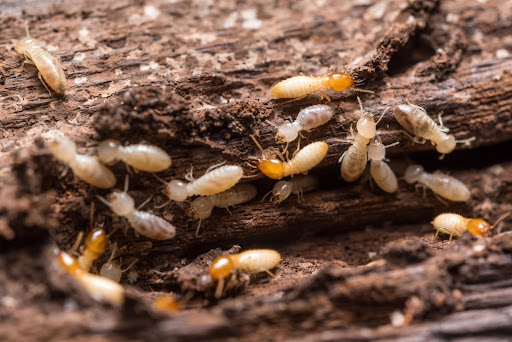
Termite mud tube found during pest control services in Queen Creek AZ real estate inspection
Mud tubes flagged at inspection can stall a closing until treatment is documented.

What sellers gain by getting ahead of it

Sellers who invest a little before listing tend to keep more at the closing table. A clean property shows better, survives inspection without drama, and gives the buyer fewer reasons to ask for concessions. Handling bark scorpion control and a perimeter treatment before photos are taken means an evening showing near Founders Park does not end with a scorpion skittering across the patio in front of the buyer.

There is also the matter of roof rats, which thrive in Queen Creek yards with citrus trees, block walls, and irrigation. A quiet roof rat and rodent exclusion visit before listing prevents the kind of attic discovery that sends buyers running. In every case, the seller who acts first controls the story. The seller who waits reacts to someone else’s inspector.

The ROI math on recurring service

The strongest argument for professional service is simple arithmetic. A crisis is always more expensive than maintenance. Emergency treatment for an established infestation, structural repair from termites, or a rushed remediation to save a closing all cost far more than a steady quarterly plan. This is exactly why preventative pest control saves money over time, because it stops small issues before they earn a place in an inspection report.

Think of it as protecting an asset rather than buying a service. A maintained exterior barrier keeps scorpions, ants, crickets, and rodents from establishing themselves, and routine visits catch early termite activity while it is still cheap to treat. For a family that just committed to a thirty year mortgage on a home near Queen Creek Marketplace, that is a rounding error that guards the value of everything around it. Choosing an established pest control company in Queen Creek AZ that knows the local soil, the citrus corridors, and the block wall construction makes that protection far more reliable than a store bought spray ever could.

Local factors that shape the risk in Queen Creek

Queen Creek is not a generic suburb, and its pest pressure reflects that. Former agricultural ground holds moisture and organic material that termites and ants love. The San Tan Mountains and open desert on the town’s edges push scorpions toward foundations as the heat builds. Monsoon storms that roll through in mid to late summer drive crickets, roof rats, and scorpions toward the nearest dry shelter, which is often a home that just sold. New construction keeps disturbing soil and displacing what already lives there.

All of that means a home here needs protection built around its actual environment, not a one size fits all plan. Whether you are listing a property in Encanterra, buying your first house near Combs Road, or settling into a new build off the Gateway corridor, the right time to think about pest control is before the deal, not after the surprise. When you are ready, you can schedule a Queen Creek visit and start the next chapter protected.

Frequently Asked Questions

Do I need a termite inspection to sell a home in Queen Creek AZ?

Most conventional and government backed loans in Arizona ask for a wood destroying insect inspection report before closing. Even when a lender does not require one, a clean termite report reassures buyers and keeps a Queen Creek sale on schedule. Booking the inspection early gives you time to treat and document any activity before it becomes a negotiating point.

How much does pest control cost when buying a Queen Creek home?

A baseline interior and exterior treatment on a typical Queen Creek home is a modest one time cost, and most families then move to a quarterly plan. That is a small line item next to a mortgage, and it is far cheaper than repairing termite damage or clearing a scorpion problem after you have already moved in.

Are new construction homes in Queen Creek safe from pests?

New builds around Hastings Farms, San Tan Heights, and Eastmark look sealed, but fresh landscaping, open lots, and disturbed desert soil pull in scorpions, crickets, ants, and subterranean termites within the first year. A builder pre treatment helps, though it fades, so a baseline service after you take possession is smart protection.

Can a pest problem really delay a home closing?

Yes. Live termites, visible mud tubes, or a rodent issue flagged during inspection can trigger repair requests, price concessions, or a delayed close while treatment is completed and documented. Handling it before the home hits the market keeps you in control of the timeline and the price.

Is recurring pest control worth it after I move in?

For most Queen Creek families it is. Recurring service maintains the exterior barrier that keeps bark scorpions, roof rats, and ants out year round, and it catches early termite signs before they turn into structural repairs. The ongoing cost is small compared with a single crisis treatment or a damaged home value.

Green Magic Pest Control has helped Queen Creek families and East Valley home buyers stay ahead of desert pests since founder Matt started the company in 2016. Our eco friendly, pet safe approach and bugs gone or your money back guarantee take the stress out of protecting your home. Ready to get started? Book your visit here.

Long-time Mesa neighbors know the sound. A faint scratching above the ceiling just after dark, a rustle behind the water heater, or a line of greasy smudges along a baseboard in the laundry room. In the older parts of the city, from the historic districts off West Second Street to the flood-irrigated lots near Alma School Road, rodents have had decades to learn where the easy entrances are. If you have owned your home since the land around Falcon Field was still mostly citrus groves, you have almost certainly patched a hole or two already.

Here is the part that surprises people who have lived in the same house for twenty or thirty years. A house mouse can slip through a gap about the width of a pencil, and a roof rat needs an opening no bigger than a quarter. Established Mesa neighborhoods offer both in abundance, thanks to settling foundations, brittle weather stripping, and mature landscaping that has grown right up to the roofline. Knowing where rodents get in is the first real step toward keeping them out, so this guide walks through seven of the most common entry points we find on older Mesa homes. Reliable Mesa AZ pest control services start with exactly this kind of walk-around inspection.

Rodent exclusion pest control in Mesa AZ - mouse nest tucked into a wall void of an older home
Mice nest inside wall voids and cluttered corners of older Mesa homes.

Why older Mesa neighborhoods see more rodent pressure

Mesa grew up around agriculture, and a lot of its established neighborhoods still sit on flood-irrigated lots shaded by decades-old citrus, olive, and palm trees. That combination is a rodent buffet. Roof rats thrive in the dense canopy near the Consolidated Canal and the older streets south of Broadway Road, using overhanging branches and utility lines as highways to the roof. House mice and pack rats work the ground level, moving between block walls, woodpiles, and the warm cavities of a home the moment the evenings cool off. Homes built before modern sealing standards tend to have more original weep screens, uncapped vents, and hairline foundation cracks, which is why the same houses near Dobson Ranch or the Lehi area can see repeat activity year after year. A quick look at how to spot rodent runways in the yard often reveals the trails long before anything gets indoors.

1. The garage door and its worn seals

The single most common way rodents enter an older Mesa home is straight under the garage door. The rubber sweep at the bottom hardens and curls in our sun, and the corners where the sweep meets the track leave a gap that a mouse treats like an open door. Once inside the garage, the door into the house, pantry shelving, and stored boxes are only a short trip away. Replacing the bottom seal and adding corner blockers is one of the cheapest, highest-impact fixes on this list.

2. The roofline, tile gaps, and overhanging branches

Roof rats earn their name in Mesa. They climb citrus trees, bougainvillea, and power lines to reach the roof, then exploit gaps under clay tiles, at the fascia, and around the chimney. Trimming branches back at least four feet from the roof removes the bridge. This matters because rodents range farther than most people expect once they establish a nest, as we cover in this look at how far mice roam from a nest.

3. Weep holes and utility penetrations

Older Mesa homes are full of small openings that were never meant to be rodent-proof. Weep holes at the base of brick veneer, the gaps where copper and PEX lines pass through exterior walls, and the openings around gas and irrigation lines all give a mouse a foothold. Fine stainless mesh and rodent-grade sealant close these without blocking the drainage weep holes are meant to provide.

4. Foundation cracks and block wall gaps

Decades of monsoon swelling and dry-season shrinking open hairline cracks in slabs and stem walls. Where a block perimeter wall meets the house or the ground has settled, mice and pack rats find shaded, protected runs. Sealing these gaps also helps with scorpions and crickets that use the same routes, which is why a thorough exterior treatment pays off across multiple pests.

5. Attic, roof, and dryer vents

Vent screens rust out, dryer vent flaps stick open, and old turbine or gable vents lose their mesh. These openings put a rodent directly into the attic, where insulation makes ideal nesting material. From there they follow wiring and ductwork down into the living space. Rodents are remarkably good at using these hidden pathways, as this explainer on how rodents travel through HVAC chases makes clear.

6. Gaps under exterior doors and torn window screens

Threshold sweeps wear down, and the side doors and Arizona rooms common on older Mesa properties often sit slightly out of square. Add a torn screen on a bedroom window that stays cracked for the evening breeze, and you have a ground-level invitation. Weatherstripping and screen repair are simple, but they are easy to overlook year after year.

7. Sewer lines, drains, and the garage-to-house door

Roof rats and Norway rats can travel sewer lines and emerge through a dry floor drain or a damaged clean-out. Meanwhile the interior garage-to-house door, if it lacks a good sweep, is the final gap between a rodent in the garage and the kitchen. Keeping drains capped and that door sealed closes the loop on the seven most common routes.

Mesa AZ rodent control services technician sealing exterior entry points on an older home
Sealing entry points is the core of lasting rodent control in Mesa.

Exclusion beats extermination

Trapping and baiting deal with the rodents already inside, but they do nothing about the next family looking for the same warm cavity. Exclusion is the practice of finding and sealing every viable opening so the problem does not simply repeat. This is where a professional rodent control program earns its keep, because a trained technician knows to check the spots a flashlight from the ground never reaches. For long-time owners who have chased mice on and off for years, a full exclusion inspection is often the thing that finally ends the cycle. Green Magic pairs that inspection with ongoing service, and our rodent control built for Mesa homes focuses on the exterior first so pests are stopped before they get in.

The health reasons to act, not just the nuisance

It is tempting to treat a mouse or two as a minor annoyance, especially in a house you have kept clean for decades. The health picture is the reason not to wait. Rodent droppings and urine can spread salmonella and, in the case of certain wild mice, hantavirus, and the dander they leave behind aggravates asthma and allergies. Nests chewed into wiring are also a documented fire risk. The EPA offers plain guidance on responsible control and safe product use in its Do Your Part, Be Pesticide Smart resource, and it reinforces why sealing and sanitation come before heavy chemical use.

When to bring in a professional

If you are seeing droppings in more than one room, hearing activity in the attic on consecutive nights, or finding gnaw marks on food packaging, the population is past the point a couple of snap traps will fix. A reputable team serving Mesa and the wider Maricopa County service area will inspect the full exterior, seal entry points, set a monitoring program, and come back to verify the activity has stopped. As a family-owned pest control company in Mesa AZ, Green Magic uses organically derived, pet-safe and child-safe products, and every plan is backed by a bugs-gone-or-your-money-back guarantee. Dependable pest control in Mesa AZ is less about spraying and more about closing the door on the pest for good.

Frequently Asked Questions

How do I know if I have a rodent problem or just one stray mouse in my Mesa home?

One stray mouse rarely stays alone for long. Look for repeat signs across time and location, such as droppings in more than one room, greasy rub marks along baseboards, gnaw marks on packaging, or scratching heard on consecutive nights. Activity that keeps returning after you clean it up points to an established population and an open entry point rather than a single wanderer.

Are roof rats really a problem in Mesa AZ?

Yes. Roof rats are well established across the Phoenix metro, and Mesa neighborhoods with mature citrus, flood irrigation, and dense landscaping are prime habitat. They travel along branches and utility lines to reach the roof and enter through tile gaps and vents, so tree trimming and roofline sealing are key parts of controlling them here.

Can I seal rodent entry points myself?

You can handle the easy ones, like replacing a worn garage door sweep, adding door thresholds, and repairing torn screens. The harder entry points on older homes, including roofline gaps, vent screens, and weep or utility penetrations, are easy to miss from the ground. A professional exclusion inspection finds and seals the openings a do-it-yourself pass usually leaves open.

Are the products safe around my pets and grandkids?

Green Magic uses organically derived products chosen to be pet-safe and child-safe when applied by a trained technician. Much of effective rodent work is mechanical anyway, meaning sealing gaps, trapping, and sanitation rather than broadcast chemicals, which keeps exposure low for the people and pets sharing your home.

How often should an older Mesa home be inspected for rodents?

An annual exterior inspection is a sensible baseline for most established Mesa homes, with an added check heading into fall when cooling nights push rodents to seek shelter. Homes near canals, washes, or heavy citrus may benefit from a recurring service schedule to catch new entry points as the structure ages.

Green Magic Pest Control has helped Mesa AZ families outsmart desert pests since Matt founded the company in 2016. Our bug wizards work their magic with organically derived, pet-safe products and a no-pressure, same-day approach. Ready to seal the rodents out for good? Book your Mesa service today.

Summer in Goodyear turns the backyard into the busiest room of the house, and it turns your perimeter into the busiest border in the neighborhood. Between the Estrella foothills to the south and the open desert and farmland stretching west toward the Loop 303, your yard sits right where the Sonoran Desert meets a watered, shaded, cooler pocket of green. Every pest within crawling distance notices that difference. If you love your patio, your pool deck, and your evenings outside, the smartest move you can make is to defend the outside of your home before anything gets a foothold inside. That is where a solid exterior routine, backed by professional Goodyear AZ pest control services, pays off all season long.

People who spend real time in their yards tend to spot pest trouble first. You are the one flipping over pool furniture, coiling the hose, pulling weeds along the block wall, and firing up the grill after dark. That vantage point is an advantage. When you understand what pushes desert pests toward the perimeter of a Goodyear home in July and August, you can shut down their path in before they ever reach a door sweep or a window screen.

Why Your Yard Is the Front Line in Goodyear

The desert around Goodyear is hot, dry, and unforgiving for most of the year, so the pests that thrive here are experts at finding moisture and shade. Your landscaped yard offers both. Drip irrigation, a pool, a green lawn, potted plants, and the shade of a covered patio create a micro oasis that stands out sharply against the surrounding creosote flats near Estrella Mountain Regional Park and the fields west of Cotton Lane. During the monsoon stretch from July into September, brief bursts of humidity and standing water pull scorpions, crickets, ants, and spiders toward that oasis in bigger numbers.

Homes in newer communities like Estrella, Canyon Trails, and Wildflower share another feature that matters here: fresh block walls, stem walls, and paver patios. Those structures give bark scorpions and other pests exactly the kind of tight, cool gaps they hunt for during the day. The exterior of your home, not the interior, is where an infestation is won or lost. Strong pest control in Goodyear AZ starts at the property line and works inward, treating the wall base, the foundation, the eaves, and the yard features long before anything reaches your living room.

The Perimeter Pests Working Your Goodyear Yard Right Now

Knowing your opponents makes prevention far more targeted. A handful of pests do the vast majority of the damage around West Valley yards in summer.

Bark scorpions top the list. They climb, they squeeze into gaps thinner than a credit card, and they hunt at night for the crickets and small insects your patio lights attract. Block walls, landscape rock, and wood piles are their favorite daytime harborage. If you want a deeper look at how they behave, our guide on how to stop scorpions from nesting in landscaping rocks covers the yard features that matter most, and our main scorpion control page explains the treatment side.

Crickets are the quieter problem that feeds the loud one. They gather at the base of exterior walls and around lighting, and where crickets pile up, scorpions follow. Ants march in from the yard along irrigation lines and expansion joints, trailing across patios and into the garage. Spiders set up along eaves, patio corners, and pool equipment, thriving on the same insects everything else is chasing. You can read more about the local species on our cricket control page, our ant control page, and our spider control page. Paper wasps round out the group, tucking nests under patio covers, ramadas, and the eaves you walk past every day.

Goodyear AZ pest control services technician inspecting a backyard block wall for scorpions
Block walls and landscape rock give bark scorpions daytime shelter in Goodyear yards.

How to Keep Pests Out of Your Goodyear Yard This Summer

Prevention outside is about removing the three things pests want most: shelter, water, and easy access. Work through your property with those three in mind and you cut pest pressure dramatically before it becomes an indoor problem.

Start with harborage. Keep landscape rock pulled a few inches back from the foundation, store firewood off the ground and away from the house, and trim shrubs and citrus so branches never touch the exterior walls or roofline. Overgrown oleander and dense ground cover along a block wall are prime scorpion and cricket real estate. Rake back thick organic mulch near the foundation, since it holds the moisture and insects that draw predators in.

Next, manage water. In a Goodyear summer, moisture is the single biggest magnet. Check drip emitters for leaks, adjust sprinklers so they are not soaking the base of exterior walls, empty saucers under potted plants, and keep pool splash-out draining away from the house. Even the condensation line from your air conditioner can create a wet spot that pests visit nightly.

Then seal the access points. Walk your perimeter and look for the gaps pests exploit. Install or replace worn door sweeps on the garage and patio doors, since a bark scorpion needs only a sliver of space. Seal around hose bibs, gas lines, electrical penetrations, and the weep gaps where the wall meets the slab. Repair torn window and patio screens. Our overview of the entry points most people miss is a useful checklist to walk with, and the broader prevention playbook for Arizona ties the yard work together.

Finally, manage light and clutter. Swap white patio and porch bulbs for warm yellow LEDs that draw fewer flying insects, which in turn draw fewer scorpions and spiders. Keep the patio tidy, move stacked pots and boxes off the ground, and give the pool pump and filter area a regular once-over, since equipment housings are classic hiding spots.

Landscaping and Irrigation Choices That Work With You

Long-term yard design can either invite pests or quietly keep them out. Dry, rock-based desert landscaping close to the house with a wider gravel border discourages the moisture-loving crowd, while lush turf and heavy planting right against the foundation does the opposite. If you run overseeded winter lawns or keep a large grassy play area for kids and dogs, plan on more consistent perimeter attention through the warm months. Grouping thirsty plants away from the walls, using drip instead of spray heads near the foundation, and keeping a clean gravel or hardscape strip against the house all shrink the welcome mat. These are small design habits, but across a summer in the West Valley they add up to noticeably fewer pests crossing your patio.

Green Magic pest control company in Goodyear AZ treating a home exterior and yard perimeter
An exterior perimeter treatment focuses on wall bases, entry points, and yard harborage.

When to Bring In a Goodyear Pest Control Company

Yard maintenance handles a lot, but desert pests are persistent, and store-bought sprays break down fast in Arizona sun and rarely reach the harborage where pests actually live. A professional exterior program treats the wall base, foundation, eaves, weep gaps, and yard features on a recurring schedule, timed to the seasons that drive pest pressure. That recurring rhythm is what keeps scorpions and crickets from rebuilding their numbers after a monsoon burst. A trusted pest control company in Goodyear AZ can also flag conducive conditions you might walk past, like a hidden leak, a wall gap, or an early wasp nest under the ramada, and knock down problems before they reach the house.

Green Magic Pest Control is a family-owned, Chandler-based company serving Goodyear and the West Valley with eco-friendly, organically derived products that are safe around kids and pets when used as directed. Our technicians are paid by the day rather than by the job, so there is no rushed visit and no pressure to upsell, just thorough work and a bugs-gone-or-your-money-back guarantee. If scorpions are your main worry, ask about our Black Light Scorpion Service, which uses ultraviolet light to find and treat the ones hiding in your yard after dark. You can see the full service map on our service area page, review options on the Goodyear pest control page, and get on the schedule anytime through our booking page.

According to the U.S. Environmental Protection Agency, combining prevention with targeted treatment is the most effective and lowest-risk approach to keeping pests out, which is exactly the model a good exterior program follows.

The bottom line for anyone who lives outside all summer: protect the perimeter, and the inside takes care of itself. A little yard discipline plus dependable pest control in Goodyear AZ keeps your patio, pool deck, and grill area yours instead of the local scorpions’.

Goodyear AZ Yard Pest Prevention FAQ

What time of year is worst for pests in a Goodyear yard?

Late spring through the monsoon months of July, August, and September are the peak stretch. Rising heat pushes scorpions, crickets, ants, and spiders toward the moisture and shade of watered yards, and brief monsoon humidity spikes their activity even more.

Why do I keep seeing scorpions in my backyard even though the inside is clean?

Scorpions live outside in block walls, landscape rock, and wood piles, and they are hunting the crickets your patio lights attract, not looking for food indoors. Because the problem starts in the yard, exterior perimeter treatment and reducing outdoor harborage are what actually lower the numbers.

Do store-bought yard sprays work against desert pests?

They can knock down a few visible insects, but they break down quickly in Arizona heat and rarely reach the wall gaps and rock voids where pests shelter. A recurring professional exterior program treats those harborage areas and holds up far better through the summer.

Is exterior pest treatment safe for my kids, pets, and pool area?

Green Magic uses eco-friendly, organically derived products applied by trained technicians, and they are safe around children and pets when used as directed. Treatments focus on wall bases, entry points, and yard harborage rather than the surfaces your family touches most.

How often should I schedule pest control for my Goodyear property?

Most West Valley yards do best on a recurring schedule through the warm months, since desert pests rebuild their numbers quickly after each monsoon burst. Green Magic can set a rhythm that matches your landscaping and how much time you spend outside.

Green Magic Pest Control has helped Goodyear yards stay pest-free since founder Matt started the company in 2016 with a simple promise to work like bug wizards and never pressure a customer. Family-owned and rooted in the Phoenix metro, our team treats your patio and perimeter like our own. Ready to reclaim your backyard? Book your Goodyear service here.

Spring in Fountain Hills brings blooming palo verde, brittlebush along the McDowell Mountain foothills, and the steady mist off the fountain at Fountain Park. It also brings bees, and for parents of young children and pet owners, a cloud of bees drifting across the backyard is more than a nuisance. If you have noticed more buzzing around your Saguaro Boulevard neighborhood, a hollow in a block wall, or a water meter box near the driveway, you are seeing a seasonal pattern that plays out across this desert town every year. Understanding why bees swarm here, and how they behave once they settle, is the first step toward keeping your family safe.

As a pest control company in Fountain Hills AZ, Green Magic sees the same story on repeat once temperatures climb. A colony outgrows its space, splits, and sends a swarm looking for a new cavity to move into. That new home is often closer to people than anyone would like, tucked into the very structures that make our homes comfortable.

Africanized honey bee swarm requiring bee control in Fountain Hills AZ
A honey bee swarm clustered on a branch before moving into a wall or valve box.

Why Fountain Hills Sees So Many Bees

Fountain Hills sits right against the Sonoran Desert preserve and the McDowell Mountains, which means homes here share a boundary with prime bee habitat. The desert offers exactly what a colony needs, including flowering plants for nectar, natural cavities in rock and cactus, and access to water. When neighborhoods add irrigated landscaping, decorative block walls, and shaded eaves, they create even more nesting options than the open desert provides. From Firerock to Adero Canyon, the pattern is the same. Bees follow bloom and water, and both are plentiful near these foothills from early spring onward.

Water is a bigger draw than many families expect. Pools, drip lines, pet bowls left outside, and even the spray from the famous fountain give foraging bees a reliable source during our dry, hot stretches. A yard that stays green and moist through the summer is more attractive to bees than the surrounding desert, so the most comfortable outdoor spaces are often the ones that see the most activity.

The Behavior That Makes Local Bees Different

Here is the part that matters most for families. Most of the wild honey bee colonies in the Phoenix metro, including the desert around Fountain Hills, are Africanized. They look nearly identical to the gentle European honey bee, so you cannot spot the difference by watching them work a flower. The difference is in temperament. An Africanized colony guards its nest far more aggressively, reacts to disturbances a European colony would shrug off, and can pursue a perceived threat a surprising distance from the nest. You can read more about the University of Arizona findings on this at their extension page below.

This behavior is triggered by ordinary yard activity. A running lawn mower, a string trimmer near a wall, a pressure washer, or even a curious dog sniffing a valve box can set off a defensive response. That is why a colony near a play set, a patio, or a pool deck is a genuine hazard for kids and pets, not just an inconvenience. Understanding the range of stinging insects helps too, and it is worth knowing about the different bees you will encounter in Arizona so you can gauge risk before anyone gets close.

Where Colonies Move In Around the Home

Swarming bees are looking for a protected cavity, and a typical Fountain Hills property offers plenty. The most common spots include water meter and irrigation valve boxes set into the ground, gaps in block or stem walls, spaces under roof eaves and soffits, unused sheds, and hollows in mature saguaros. Bees need only a small opening, roughly the width of a pencil, to move a whole colony inside. Once they establish comb, the colony grows quickly and becomes far harder to remove, so early attention pays off.

Wasps deserve a mention alongside bees because they thrive in the same season and the same neighborhoods. Paper wasps build their open, umbrella shaped nests under eaves, on patio ceilings, and inside barbecue grills, and they will defend those nests just as readily. Families who want the patio and pool area safe should keep an eye out for both, and professional wasp nest removal handles the risk without putting anyone in reach of a sting.

Paper wasp nest needing pest control in Fountain Hills AZ
A paper wasp nest under an eave, a common find on Fountain Hills patios.

Keeping Kids and Pets Safe

For a family with young children or animals, the safest approach is prevention paired with quick action when a colony appears. Walk your property in early spring and again in early summer, looking and listening for a steady stream of bees coming and going from a wall, the ground, or an eave. A faint hum inside a wall is a strong sign a colony has moved in. Seal small gaps in walls and around utility penetrations before swarm season, keep pet food and water bowls indoors when you can, and fix dripping outdoor faucets that create an easy water source.

If you do find an active colony, resist the urge to handle it yourself. Store bought sprays rarely reach the heart of a nest, and the disturbance can provoke exactly the mass response you want to avoid, especially with children or pets nearby. Move everyone indoors, close the windows and doors on that side of the house, and call a professional. Reliable bee removal service gets the colony out safely and cleans up the comb so a new swarm is less likely to move back into the same void.

Ongoing prevention is where a service plan earns its keep in a place like this. Because bees and wasps stay active for such a long stretch of the year here, a single treatment is only part of the answer. A perimeter approach that treats and monitors the walls, eaves, and utility boxes around the home discourages new colonies from settling in the first place. That steady protection is a core part of quality pest control in Fountain Hills AZ, and it lets families use the yard through the whole warm season without second guessing every buzz.

Local Help When You Need It

Green Magic is a family owned company, and we treat every stinging insect call as a safety matter first. Our technicians know the neighborhoods from Eagle Mountain to the town center, and they know how bees behave against our block walls, foothill lots, and irrigated yards. When a nest turns up near a play area or a pool, fast, careful removal protects the people and pets who use that space most. Dependable Fountain Hills AZ pest control services should give a parent real peace of mind, and that is exactly what we aim to deliver. If you would rather not wait, you can schedule a treatment or explore the wider communities we serve across the East Valley.

For independent background on how Africanized honey bees behave in our region, the University of Arizona Cooperative Extension offers a helpful overview for local families.

Frequently Asked Questions

Are the bees around Fountain Hills AZ homes actually Africanized?

In most cases, yes. Wildlife biologists and the University of Arizona have documented that the vast majority of feral honey bee colonies across the Phoenix metro, including the desert around Fountain Hills, now carry Africanized genetics. They look almost identical to gentle European honey bees, so you cannot tell them apart by sight. The difference shows up in behavior. Africanized colonies defend their nest far more aggressively and respond to disturbances that a European colony would ignore, which is why a swarm near your yard should be treated as a family safety issue rather than a curiosity.

What time of year are bees most active in Fountain Hills AZ?

Bee activity climbs in early spring as desert plants bloom along the McDowell Mountain foothills and stays high through the warm months. March through June is prime swarming season, when new colonies split off and look for a cavity to move into. Activity can continue into fall because our mild autumns keep flowers and water available. That long season is one reason ongoing prevention matters more here than in colder parts of the country.

What should my family do if we find a bee colony on our property?

Keep everyone, including pets, well back from the area and go indoors. Do not spray the colony, throw anything at it, or run lawn equipment nearby, because vibration and water are common triggers for a defensive response. Close windows and doors on that side of the house and keep children and dogs inside until the colony has been professionally handled. Then call a licensed company to identify the nest and remove it safely rather than trying to knock it down yourself.

Are the pest control products safe for my kids and pets?

Green Magic uses organically derived, targeted products and applies them where stinging insects actually travel and nest, not in open living spaces where children play. Our technicians walk you through simple steps for treatment day, such as keeping pets inside for a short window while products dry. The goal is to solve the bee or wasp problem while keeping your home comfortable and safe for the youngest and smallest members of the household.

How does Green Magic handle bee and wasp problems in Fountain Hills AZ?

We start by inspecting the property to find where stinging insects are nesting, whether that is a block wall, a water meter box, an eave, or a shrub. From there we recommend safe removal and a perimeter plan that discourages new colonies from settling in. Because we serve Fountain Hills and the surrounding East Valley, we know the local pressure points and can schedule same-day service when a nest puts your family at risk.

Serving Fountain Hills and Nearby Communities

Written by the team at Green Magic Pest Control, a family owned company founded in 2016 and led by Matt. We help families across Fountain Hills AZ keep bees, wasps, scorpions, and other desert pests away from the spaces they use most. Ready for a safer yard? Book your service today and let our bug wizards work their magic.

The first monsoon storm always surprises people who just moved to Glendale. One afternoon the sky over the White Tank Mountains turns brown, a wall of dust rolls across Loop 101, and an hour later the streets around Arrowhead and Old Towne are running with water. If this is your first summer in the West Valley, that dramatic weather is not just a spectacle. It is the single biggest trigger for pest activity you will deal with all year, and it catches new arrivals off guard again and again.

Green Magic Pest Control has spent years treating homes from Sahuaro Ranch Park to the neighborhoods near Westgate, and the pattern is always the same. When a storm dumps rain on dry desert soil, the ground floods, and everything that lives underground gets pushed up and out. That is why so many families reach out for pest control services in Glendale AZ in the days right after a big monsoon cell moves through. Knowing what is coming, and why, puts you a step ahead of the surge instead of scrambling after it.

Arizona bark scorpion pest control in Glendale AZ after a monsoon storm
Bark scorpions get flushed toward homes when monsoon rain saturates desert soil.

Why Monsoon Season Changes Everything in the Desert

Arizona monsoon season runs from mid June through late September, and the Phoenix metro gets a large share of its yearly rainfall in those weeks. The National Weather Service tracks the shift in wind patterns that pulls moisture up from the south, and the result is the sudden, heavy storms that Glendale sees most afternoons in July and August. For pests, three things happen at once. The soil that was bone dry for months becomes saturated, so burrowing insects and their prey are forced above ground. The humidity spikes, which many desert pests need to breed. And the temperature swings create cooler, damper pockets around foundations, block walls, and irrigated yards where pests love to gather.

Homes near the New River and Skunk Creek washes feel this most sharply, because those channels carry stormwater and everything living along them moves toward higher, drier ground. In practice, that higher ground is your patio, your garage, and the cool tile floors just inside your door. New arrivals often assume a fresh, clean home will not attract bugs, but monsoon pressure has almost nothing to do with tidiness. It is about weather and terrain, and Glendale sits right in the middle of both.

The Pests That Show Up After a Storm

Bark scorpions top the list, and they are the reason many people call a bark scorpion control specialist for the first time. Arizona bark scorpions are excellent climbers and can slip through a gap the width of a credit card. When rain floods their harborage in block walls and landscape rock, they climb, and they glow an eerie blue-green under ultraviolet light. Families with young children and pets should take these seriously, because the bark scorpion delivers the most painful sting of any scorpion in the state.

Crickets arrive in enormous numbers after the first storms, clustering around porch lights and garage doors from Bell Road to Camelback. They are more than a noisy nuisance. Crickets are a primary food source for scorpions, so a heavy cricket season around your home quietly invites the scorpions that hunt them. If you have noticed cricket problems building at night, treat it as an early warning rather than a minor annoyance.

Rodents move too. When washes and low yards flood, roof rats and mice look for dry shelter, and a garage, attic, or wall void makes an ideal refuge. Dealing with roof rats and other rodents is far easier before they establish a nest, so the window right after a storm matters. Paper wasps are also busy through the summer, building and defending nests under eaves, in patio corners, and around pool equipment. Knocking down paper wasp nests without the right approach usually ends in stings, which is one more job worth handing to a professional. Ants round out the group, because flooded colonies pack up and march indoors looking for dry ground and food, often appearing in kitchens overnight.

cricket and pest control services in Glendale AZ during monsoon season
Crickets swarm porch lights after monsoon rains and draw scorpions that feed on them.

What New Glendale Families Can Do Before the Next Storm

You do not need to fight this alone, and you do not need to panic. A few habits make a real difference. Seal the obvious entry points first, especially the gaps under exterior doors, around the garage, and where pipes and wires pass through walls. Keep landscape rock, wood piles, and clutter pulled back from the foundation, since these are prime scorpion and cricket harborage. Swap bright white exterior bulbs for warmer, less attractive lighting near doors, and keep the yard drained so standing water does not linger after a storm. If you are curious about the full range of desert bugs you will meet here, a little reading goes a long way toward knowing what is normal and what is not.

That said, the desert is genuinely different from wherever you moved from, and store-bought sprays rarely hold up against monsoon-driven pressure. This is where a professional pest control company in Glendale AZ earns its keep. Green Magic uses organically derived, pet-safe and child-safe products, and the technicians treat the exterior perimeter, entry points, and known harborage rather than just chasing whatever you happened to see. Because the company staffs technicians who are paid by the day instead of by the job, there is no pressure to upsell and no rush. When a storm hits and pests move fast, you can schedule same-day service and get ahead of the problem.

Consistency is what keeps the surge manageable. A recurring exterior treatment builds a barrier that renews itself between storms, so each new monsoon cell has less impact than the last. The Environmental Protection Agency offers helpful, plain-language guidance on using pest control products safely, and it is worth a read for any family new to treating a desert home. You can browse the EPA guidance on pesticide safety to understand what responsible treatment looks like. Green Magic serves families throughout the West Valley, and you can see the full list of communities we serve across the Valley to confirm your neighborhood is covered.

Welcome to the desert. Your first monsoon season in Glendale will teach you a lot, and pest activity will be part of the lesson. With a little preparation and reliable pest control in Glendale AZ, that lesson can be a quick one rather than a summer-long headache.

Frequently Asked Questions

Why do I see more scorpions in Glendale after it rains?

Monsoon rain floods the soil, block walls, and landscape rock where bark scorpions shelter, so they climb to higher, drier ground. That higher ground is often your patio, garage, or the cool floors just inside your home, which is why sightings spike in the days after a storm.

Are the pests worse in newer Glendale neighborhoods?

New construction near the desert edge and near the New River and Skunk Creek washes can actually see heavy activity, because the surrounding land still drains and floods naturally. A clean, new home does not repel monsoon pests, since the surge is driven by weather and terrain rather than tidiness.

Do I really need professional treatment or can I use store sprays?

Store sprays kill the pests you see but do little against the waves of scorpions, crickets, rodents, and ants that monsoon storms push toward your home. A professional perimeter treatment targets entry points and harborage, which is what actually reduces the pressure over a full season.

Is monsoon pest treatment safe for my kids and pets?

Green Magic uses organically derived products chosen to be pet-safe and child-safe when applied by a trained technician. The team can walk you through what to expect on treatment day so your family and animals stay comfortable.

How quickly can Green Magic come out after a storm?

Green Magic offers same-day service in many cases, which matters most right after a monsoon cell moves through and pests are on the move. Booking early in the day gives you the best chance of a same-day visit.

Green Magic Pest Control is a family-owned company that has served Glendale and the wider Phoenix metro since its founding in 2016. Owner Matt and his team of bug wizards use eco-friendly, pet-safe products and a no-pressure approach to keep West Valley homes comfortable through every monsoon season. Ready to get ahead of the next storm? Book your service today.

Escrow has a way of turning small problems into deal breakers, and in the West Valley few line items make buyers pause like the words “wood destroying insect activity.” If you are shopping for a house near Vistancia, weighing an offer on an older place off Grand Avenue in Old Town Peoria, or getting a listing ready before it hits the market, a termite inspection belongs at the top of your checklist. Arizona sits in one of the highest termite pressure zones in the country, and a clean report protects both sides of the closing table. This is where planning ahead and reliable pest control in Peoria AZ can keep a sale on track instead of watching it stall over a surprise finding.

Peoria stretches from the established grid near Peoria Sports Complex and Bell Road all the way up to the newer rooftops around Lake Pleasant, Sonoran Mountain Ranch, and Trilogy at Vistancia. That range matters because termite risk is not the same at every address. Homes built on former desert land near the Loop 101 and Happy Valley Road corridor sit on soil that already holds native subterranean colonies. Older neighborhoods carry decades of settling, plumbing repairs, and landscaping changes that create fresh entry points. Whether the home is two years old or forty, the desert underneath it never stopped being termite country.

Why Termites Belong in Every Peoria Home Transaction

The termites that cause trouble across Maricopa County are almost always subterranean species that nest in the soil and travel up into the structure through hidden gaps. They do not need a rotting old house to move in. A modern stucco-on-slab home near Westwing Mountain is just as attractive as a 1980s block home near Rio Vista, because both offer the two things termites want: cellulose to eat and a moisture path from the ground. Expansion joints in the slab, plumbing penetrations, and the seam where stucco meets soil all give them a quiet way in.

For anyone buying or selling, the stakes are financial rather than just structural. Many lenders, and especially VA loans that are common among military buyers in the West Valley, ask for a wood destroying insect inspection before they will fund. In Arizona that document is the WDIIR, the wood destroying insect inspection report, and appraisers and agents often call it a termite clearance. A report that flags active infestation or prior untreated damage can delay a closing, trigger renegotiation, or send a buyer walking. Choosing experienced West Valley termite specialists early gives everyone time to fix an issue instead of scrambling during the option period. Booking professional termite control services before you list is one of the cheapest forms of insurance a seller can buy.

Termite inspection before a home sale with pest control in Peoria AZ
A pre-sale termite inspection protects the deal for buyers and sellers alike.

What Inspectors Actually Look For

A thorough inspection is not a quick walk through the living room. It works the perimeter, the garage, the attic access, and every place where wood meets the ground. The single most recognizable sign is a mud tube, a pencil-width tunnel of soil that termites build up a foundation wall or across a stem wall to stay hidden and humid while they forage. Learning to spot mud tubes along the foundation is worth the few minutes it takes, because a homeowner who catches one early saves themselves a painful escrow surprise later.

Inside, the clues are subtler. Paint that looks slightly blistered or rippled, baseboards that sound hollow when tapped, and tiny pinholes with a smear of dried mud can all point to activity behind the surface. Understanding early signs of termite damage in drywall helps a buyer ask smarter questions during a showing rather than discovering the problem after the keys change hands. It also helps to know the difference between drywood and subterranean termites, since the two behave differently and call for different treatment plans. Peoria HVAC-heavy summers and monsoon humidity favor the subterranean kind, which is exactly why local knowledge beats a generic checklist. This is the kind of detail that separates thorough Peoria AZ pest control services from a rushed once-over.

Timing, Monsoon Season, and the West Valley Market

Termite activity in Peoria is not evenly spread across the year. When the summer monsoon rolls in off the desert and irrigation runs long to keep yards alive, soil moisture climbs and colonies get busier near the surface. Swarms of winged reproductives often appear after storms, and buyers touring homes in July and August sometimes spot discarded wings on a windowsill without knowing what they are looking at. Sellers who understand this rhythm schedule treatment before the busy summer selling season so their WDIIR comes back clean when offers start arriving. Reviewing how seasonal pest pressure builds in Peoria makes the timing decision much easier.

New construction adds its own wrinkle. Builders around Vistancia and Sonoran Mountain Ranch typically pre-treat the soil before pouring the slab, but those barriers break down over the years and do not last the life of the home. A buyer purchasing a five or ten year old house should never assume the original treatment is still doing its job. A fresh inspection confirms whether the protection has lapsed and whether a renewal or a fresh treatment makes sense before signing. The U.S. Environmental Protection Agency notes that termites can cause costly structural damage that is typically not covered by standard homeowners insurance, which is why a documented inspection carries real weight in a transaction.

Subterranean termite damage found during a pre-listing termite service in Peoria AZ
Catching damage before listing gives sellers time to treat and document repairs.

How a Local Company Keeps Your Deal Moving

The value of hiring a pest control company in Peoria AZ during a transaction is speed and credibility. A local team knows the soil, the common construction styles across the West Valley, and the paperwork lenders expect, so the report is done right the first time. If active termites turn up, the same crew can treat the structure, document the work, and provide the clearance the lender needs, often within the tight window an escrow allows. That continuity is hard to get from an out of area outfit juggling calls from Glendale to Surprise.

Green Magic Pest Control uses organically derived, pet-safe and child-safe products, which matters to families moving into a home who do not want harsh chemicals lingering in the nursery. The company backs its work with a bugs gone or your money back guarantee and offers same-day service when a closing clock is ticking. Buyers and sellers can schedule a termite inspection and get a straight answer without a high-pressure sales pitch. For those comparing homes across several cities, the full list of West Valley communities served shows just how much local ground the team covers, from Peoria to the surrounding Maricopa County suburbs.

A house is usually the biggest purchase a person ever makes, and in the Sonoran Desert termites are a known risk rather than a rare one. Handling the inspection up front turns an unknown into a checked box, protects the appraisal, and keeps a good deal from unraveling at the worst possible moment. Whether you are listing a place near Old Town or writing an offer up by Lake Pleasant, treating the termite question as a first step rather than an afterthought is the smartest move you can make.

Frequently Asked Questions

Is a termite inspection required to buy a home in Peoria AZ?

It depends on the loan. Many conventional lenders leave it optional, but VA loans and some FHA files require a wood destroying insect inspection report before funding. Even when it is not required, a termite inspection is strongly recommended in Arizona because subterranean termites are common across Maricopa County and damage is rarely covered by homeowners insurance.

How long does a termite treatment take before closing?

A standard subterranean termite treatment on a typical Peoria home can often be completed in a single visit, and Green Magic offers same-day service when an escrow deadline is close. The clearance documentation the lender needs is provided after the work, so it helps to schedule as early in the process as possible rather than waiting until the final days.

What are the first signs of termites I should watch for?

Look for pencil-width mud tubes running up foundation walls or stem walls, discarded wings near windows after a monsoon storm, paint that looks blistered or rippled, and baseboards that sound hollow when tapped. Any of these warrant a professional inspection before you make or accept an offer.

Are the products safe for my kids and pets when we move in?

Green Magic Pest Control uses organically derived products chosen to be pet-safe and child-safe when applied by trained technicians. This is a common concern for families moving into a new home, and the team is happy to explain what is used and how to prepare on treatment day.

Does new construction near Vistancia still need a termite inspection?

Yes. Builders usually pre-treat the soil before pouring the slab, but those chemical barriers break down over time and do not last the life of the home. A home that is several years old should be inspected to confirm the original protection is still effective before you rely on it during a purchase.

Green Magic Pest Control has helped Peoria buyers, sellers, and families protect their homes since Matt founded the company in 2016. Our bug wizards work their magic with organically derived, pet-safe treatments and a bugs gone or your money back promise. Ready to protect your sale or your new home? Book your Peoria termite inspection today.

Step onto the patio after dark in July and the desert around Surprise is very much awake. The heat that pins you indoors during the day breaks after sunset, and that is exactly when Arizona bark scorpions come out to hunt. For anyone who spends real time in the backyard, whether that is grilling in Marley Park, letting the dog out in Sierra Montana, or floating in the pool out in Sun City Grand, the warm months change the math on scorpions. This is when they move most, and it is when a little planning around your outdoor space pays off. A dependable pest control company in Surprise AZ can be the difference between a yard you actually enjoy at night and one you approach with a flashlight and caution.

Arizona bark scorpion active in a Surprise AZ backyard needing scorpion pest control
Bark scorpions become far more active on warm summer nights across the Surprise area.

Why Summer Puts Scorpions on the Move in Surprise

Surprise sits on the northwest edge of the Valley, pressed up against open desert near the White Tank Mountains and threaded through with the kind of new construction and mature landscaping that scorpions love. The Arizona bark scorpion is the most common species people run into here, and it is the one worth knowing. It is pale, thin, rarely more than three inches long, and it is the most venomous scorpion in North America. Summer is its busy season for a simple reason. Scorpions are cold blooded, so their activity tracks the temperature. Once nighttime lows stay warm through June, July, and August, they are out foraging almost every night, and monsoon humidity only adds to the pressure by pushing insects and moisture toward your home.

What draws them into a yard is food and shelter. Scorpions eat crickets, roaches, and other soft bodied insects, so a yard with a healthy bug population is a yard with a reliable buffet. That is why scorpion problems are rarely just a scorpion problem. If you are seeing crickets gathering by the garage light off Waddell Road or ants trailing across the patio, you are also feeding the predators that follow them. Good pest management in the desert always works on the whole chain, not one link.

Where Scorpions Hide in a Surprise Yard

People picture scorpions out in the open desert, but the truth is they spend the daylight hours tucked into tight, cool, shaded spots, often within a few feet of where you walk barefoot. If you want to understand your own property, walk it in the late afternoon and look at it the way a scorpion would. The usual harborage spots in a Surprise backyard include block walls and stem walls, where the hollow cores and weep gaps make ideal daytime shelter. Scorpions are especially common around block foundations, which nearly every home out here is built on.

Decorative landscaping rock is another favorite. Those cool gaps between stones hold in shade and moisture, and scorpions will nest in landscaping rock right up against the foundation. Wood piles, stacked pavers, potted plants, pool equipment, irrigation boxes, and the underside of patio furniture all give them the dark, undisturbed pockets they seek. Because bark scorpions can climb stucco and cling to walls and ceilings, they also work their way up into weep screeds, into the gap under a garage door, and through any opening as thin as a credit card. A yard that looks tidy at a glance can still be riddled with the small, shaded voids that scorpions treat as real estate.

Scorpion control service inspecting a Surprise AZ home perimeter and block wall
Block walls, weep gaps, and landscape rock give scorpions cool daytime shelter close to the house.

Making Your Outdoor Space Less Inviting

If the backyard is where you spend your evenings, a few habits go a long way toward reducing scorpion pressure before anyone reaches for a treatment. Start by cutting off the easy hiding places near the parts of the yard you actually use. Keep firewood and lumber stacked off the ground and away from the house rather than against the patio wall. Store pool toys, cushions, and kids gear in sealed bins instead of leaving them in shaded piles overnight. Trim back shrubs and ground cover so they do not touch the foundation or the block wall, since overgrown greenery is a bridge and a hideout at the same time.

Lighting matters more than most people realize. Bright white porch and patio lights pull in the moths, crickets, and other insects that scorpions feed on, which means your evening ambiance can quietly stock the buffet. Swapping exterior fixtures for warmer amber tone bulbs, or moving the brightest lights away from doors and seating areas, makes the space less of a magnet. Managing water is just as important in a climate this dry, because any reliable moisture from a dripping hose bib, a pool splash zone, or an over watered planter near Greenway Road becomes a gathering point for pests and the scorpions that hunt them. Sealing the gaps where the yard meets the house, especially around the garage door sweep, weep screeds, and utility penetrations, closes the doors scorpions use to move from the patio to the living room. These same exclusion habits are the backbone of the prevention work professionals build on across the West Valley.

Why Store Bought Sprays Fall Short and What Professionals Do

Scorpions are notoriously tough to kill with the products on a hardware store shelf. Their bodies are built to survive harsh desert conditions, they can go a long time without food, and a quick shot of aerosol often just scatters them deeper into the wall void where you cannot reach. Treating the one scorpion you see on the patio does nothing about the dozen sheltering in the block wall or the crickets feeding them from the yard. That is where a professional program earns its keep, because it targets the whole system rather than the single sighting.

Effective scorpion control in the desert starts with a real perimeter treatment and harborage reduction, knocking down the insect prey base and treating the cracks, block cores, and entry points where scorpions live and travel. The most useful tool for actually locating them, though, is ultraviolet light. Bark scorpions glow a vivid blue green under a blacklight, which turns an invisible nighttime population into something a technician can find and address directly. Green Magic offers a dedicated Black Light Scorpion Service for exactly this reason, sweeping the yard and exterior after dark to catch what daytime inspections miss. Paired with recurring exterior service, it is a far more honest answer to a scorpion problem than another can of spray. When you are comparing options for pest control in Surprise AZ, ask whether blacklight inspection is part of the plan, because in this part of the Valley it should be.

Keeping Kids, Pets, and Evenings Safe

The reason scorpions are worth taking seriously is not property damage, it is the sting. For most healthy adults an Arizona bark scorpion sting is intensely painful but not dangerous, producing burning, numbness, and tingling that can radiate from the site. The concern rises sharply for small children, older adults, and pets, who can have more severe reactions and should be seen by a medical professional promptly if stung. Since these scorpions are most active on the exact summer nights your family is most likely to be outside, the overlap is worth planning around. Shake out shoes and towels left on the patio, use a flashlight when walking the yard after dark, and keep a lid on the play areas and pet zones you care about most. Reliable Surprise AZ pest control services tie all of this together so that the yard you invested in stays a place you can use after sundown, not just during the day.

Surprise has grown fast, from Sun City Grand and Marley Park to the newer stretches out past Loop 303, and every new pad and freshly landscaped lot butts up against desert that scorpions already call home. That is not a reason to stay inside once the sun goes down. It is a reason to treat the yard as part of the house and to get ahead of the season before the warm nights bring the desert to your door.

Frequently Asked Questions

Why do I see more scorpions in my Surprise yard during summer?

Scorpions are cold blooded, so their activity climbs with the temperature. Once summer nights stay warm across Surprise, bark scorpions forage almost nightly, and monsoon humidity pushes both moisture and the insects they eat toward your home, which concentrates them around patios, block walls, and landscaping.

Are the scorpions in Surprise AZ dangerous?

The Arizona bark scorpion is the most venomous scorpion in North America. For most healthy adults a sting is very painful but not life threatening, causing burning and numbness. Small children, older adults, and pets can react more severely and should be seen by a medical professional promptly if stung.

Does a blacklight really help with scorpion control?

Yes. Bark scorpions glow blue green under ultraviolet light, so a nighttime blacklight sweep reveals a population that daytime inspections almost always miss. It lets a technician find and treat the scorpions actually living on your property, which is why it pairs so well with recurring exterior service.

Can I get rid of scorpions myself with store bought spray?

Store bought sprays rarely solve a scorpion problem. Scorpions survive harsh conditions, shelter deep in block walls, and feed on other yard insects, so killing the one you see does nothing about the source. A professional program treats the perimeter, reduces harborage, and knocks down the insect prey base at the same time.

How often should I schedule pest control for scorpions?

Most Surprise properties do best with recurring exterior service through the year, with extra attention in the warm months when scorpions are most active. A pest control company can tailor the schedule to your yard, adding a Black Light Scorpion Service during peak season to locate and address what is actually there.

For more on bark scorpion identification and sting risk, the National Capital Poison Center offers a useful public health overview.

Green Magic Pest Control has been helping Surprise and the wider Phoenix Valley keep scorpions and other desert pests out of their homes since founder Matt started the company in 2016. Family owned and built on eco conscious, pet safe methods, our team knows exactly how bark scorpions behave in a West Valley yard. Ready to reclaim your evenings? Book your service now and let our bug wizards work their magic.

Categories

Contact Us Today to Get Started