
Moving into a house on the eastern side of Scottsdale means living closer to open desert than most people expect. Neighborhoods off Pima Road, up around Pinnacle Peak, out toward Troon North and the Tom’s Thumb trailhead, all sit within a short walk of land that has never been anything but Sonoran Desert. That boundary is the single biggest reason pest pressure here works differently than it did wherever you moved from. Scottsdale AZ pest control services are built around that edge, not around the kind of seasonal indoor nuisance problems common in the Midwest or on the East Coast.
The animals on the other side of that boundary do not recognize it as a boundary. A roof rat, a pack rat, a bark scorpion, and a swarm of honey bees all read a stucco house with a tile roof as terrain. It is shaded, it is irrigated, it holds heat at night and blocks heat during the day, and it is full of gaps. Compared with open desert, it is an upgrade. Understanding that one idea covers most of what people new to the Valley need in their first year.
The Preserve, the Washes, and the Golf Course Greenbelts
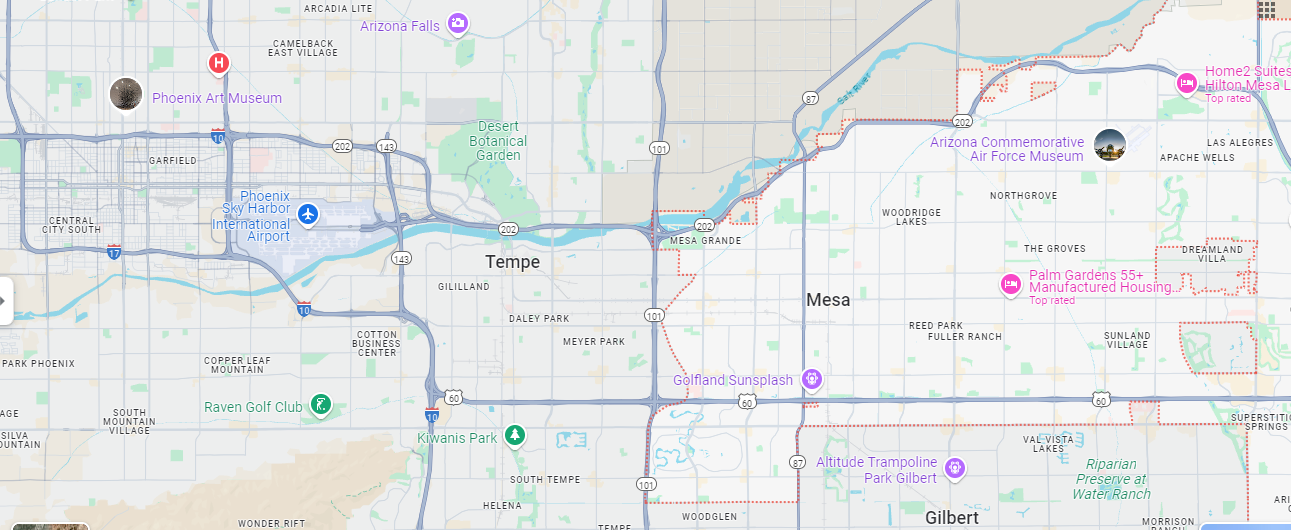
Scottsdale runs roughly thirty miles north to south, and the McDowell Sonoran Preserve wraps a large share of the northern half. Add the Indian Bend Wash greenbelt running down the middle of the city, the drainages that feed out of the McDowells and Cave Creek, and the irrigated turf running through McCormick Ranch, Gainey Ranch, and Grayhawk, and you get a connected set of corridors. Animals move from wild land into occupied neighborhoods along those corridors without ever crossing much exposed ground.
Those corridors matter most after weather. When a wash carries water during monsoon season, everything sheltering in the banks gets pushed out, and pushed out usually means uphill toward the nearest block wall and landscaped yard. The same thing happens in reverse during a long dry stretch in May and June, when the only reliable water within a mile is a drip line, a pool deck, or a leaking hose bib. This is why an established treatment plan across the communities we cover in Maricopa County leans so heavily on the exterior perimeter rather than on indoor spraying.
Roof Rats Live in the Trees Long Before They Live in the Attic
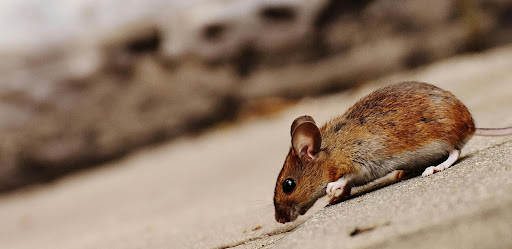
Roof rats are not a desert animal at all. They arrived with landscaping, and they are now well established through central and southern Scottsdale. If your street was built in the 1970s or 1980s and has grapefruit and orange trees, oleander hedges, and tall palms with dead frond skirts, you have the exact habitat they want. They nest above ground, they travel along block walls, irrigation lines, and overhanging branches, and they enter buildings through roof tile gaps, attic and gable vents, dryer vents, and the space where a patio roof meets the fascia.
The tell is usually sound rather than sight. Scratching or rolling noises across the ceiling shortly after dark, hollowed out citrus still hanging on the tree, and greasy rub marks along the top of a wall are the three signs that come up most often. Chewed low voltage landscape wiring and damaged attic insulation follow. Effective rodent control and exclusion work here is mostly about closing the roofline and cutting the highways, not about setting a few traps and hoping. We have written more about how rodent problems develop around Scottsdale if you want the longer version.
One warning for anyone tempted to solve this with a hardware store bait station. Rodenticides carry real secondary risk to dogs, cats, and to the owls and hawks that hunt in the preserve, and the EPA guidance on rodenticide use and safety is worth reading before anything gets placed outdoors. A licensed technician has both better placement options and the training to use them.
Pack Rats Build Where You Park
The white throated woodrat, which almost everyone here calls a pack rat, is the native cousin of the roof rat and behaves nothing like it. Pack rats build middens, which are mounded nests of cholla joints, palo verde twigs, dog food, insulation, and anything shiny they can drag. In North Scottsdale you find these under sheds, behind stacked pavers, inside stored patio furniture, in the base of a prickly pear, and, far too often, in the engine bay of a vehicle parked outside overnight.
That last one is the expensive version. A pack rat will pull nesting debris onto a warm engine block and chew through wiring harnesses in a single night. People who moved from a place where nothing lives in a parked car tend to learn this the hard way. Repeat visits mean there is harborage nearby, which is why wildlife and nuisance animal removal is handled as a property problem rather than a single animal problem. Clear the midden, remove the harborage, then keep the perimeter treated.

Bark Scorpions Come From the Rock, Not From a Dirty Kitchen
The Arizona bark scorpion is the one species in the state whose sting is a genuine medical concern for small children, elderly family members, and pets. It is also the pest most misunderstood by people who just arrived. Bark scorpions are not attracted by food waste or clutter. They want tight, dry crevices, and they follow the insects they eat. Block wall cavities, landscape rock, stacked firewood, pool equipment pads, and the weep holes and stem wall gaps on the house itself are all ideal.
They can squeeze through an opening about the width of a credit card, they climb stucco and hang upside down on ceilings, and they are active at night from roughly March through October, with the sharpest activity in the heat of summer. Because they glow under ultraviolet light, a nighttime inspection is the honest way to know what a property is holding. Our Black Light Scorpion Service exists for exactly that, and the broader scorpion control program pairs it with crack treatment and harborage removal. If you want the local background first, read what makes Scottsdale scorpion activity distinctive.
Bees and Wasps Treat a House Like a Cliff Face
Africanized honey bees are established across Maricopa County, and they do not build in convenient places. Water meter boxes, irrigation valve boxes, block wall voids, chimney flues, roof eaves, and abandoned rodent burrows all work for them. A swarm can move in and start comb within a day or two, and the colony becomes defensive as it grows. A lawn mower, a string trimmer, a pool pump, or a curious dog is enough to set off a defensive response.
The correct move is to back away, get people and pets indoors, and call for bee and wasp removal rather than spraying the entrance yourself. Paper wasps under patio beams and in Bougainvillea are a smaller version of the same problem and usually a routine part of exterior service.
Your First Year on the Desert Edge
The rhythm here surprises people. There is no true off season. Spring brings ants, crickets, and the beginning of scorpion movement. Summer heat drives everything toward water and shade, which means indoors. Monsoon storms from July into September push insects and rodents out of washes and into yards, and the cooler nights of October and November send roof rats looking for an attic. Winter slows things down without stopping them, and termite activity continues underground the entire time.
Because of that pattern, pest control in Scottsdale AZ is normally handled as recurring exterior service with interior work only when it is warranted. A one time spray in July does not survive August. If you want to see how the first visit is structured, our page on what the initial treatment covers lays out the process, and the pest identification library is a decent reference for figuring out what you are looking at before you call anyone.
Getting Set Up in a New House
Green Magic has been working the East Valley and North Scottsdale since 2016 out of a shop in Chandler, and the approach is deliberately low pressure. Technicians are paid by the day rather than by the job, so nobody has a reason to sell you something you do not need. Products are organically derived and chosen to be safe around kids and pets, and every service is backed by a bugs gone or your money back guarantee. Choosing a pest control company in Scottsdale AZ that will actually walk your roofline, your wall caps, and your irrigation before quoting is worth more than a low headline price.
If you just closed on a house and want the property assessed before anything becomes a problem, look at our Scottsdale service page or go ahead and schedule a visit. Same day service is often available.
Frequently Asked Questions
Why do I see more pests near the McDowell Sonoran Preserve?
Homes on the preserve edge sit directly against undeveloped Sonoran Desert, so bark scorpions, pack rats, spiders, and snakes have a short trip from natural habitat to a landscaped yard. Irrigation, shade, and block walls make the yard more comfortable than the open desert, which is why the pressure is steady rather than seasonal.
Are roof rats really a problem in Scottsdale or just in Phoenix?
Roof rats are established throughout the central and southern parts of Scottsdale, especially in older neighborhoods with mature citrus, oleander hedges, and unskirted palms. Areas like McCormick Ranch, Scottsdale Ranch, and the Indian Bend Wash corridor have the tree canopy and irrigation that roof rats depend on.
What should I do if I find a pack rat nest in my car?
Do not start the engine before checking it. Pack rats pull nesting material into engine bays and chew wiring harnesses, so a nest can cause an electrical fault or a fire. Have the nest removed, then address the harborage in the yard so the animal does not simply rebuild in the same spot.
Is professional treatment safe around kids and dogs?
Green Magic uses organically derived, pet safe and child safe products, and a technician will walk you through re-entry timing for any treated area before leaving. If you have a pool, a garden bed, or an outdoor water bowl, tell the technician so those areas are handled accordingly.
How soon after moving in should I schedule service?
Sooner is better. A first treatment establishes an exterior barrier and lets a technician document the entry points and harborage on the property before a problem starts. That baseline is far cheaper than reacting to an attic full of roof rats in November.
Green Magic Pest Control has served Scottsdale AZ and the surrounding Valley since Matt founded the company in 2016. Our bug wizards use organically derived, pet safe products and back every visit with a bugs gone or your money back guarantee. Book your service online or call our Chandler office at (480) 999-5302.
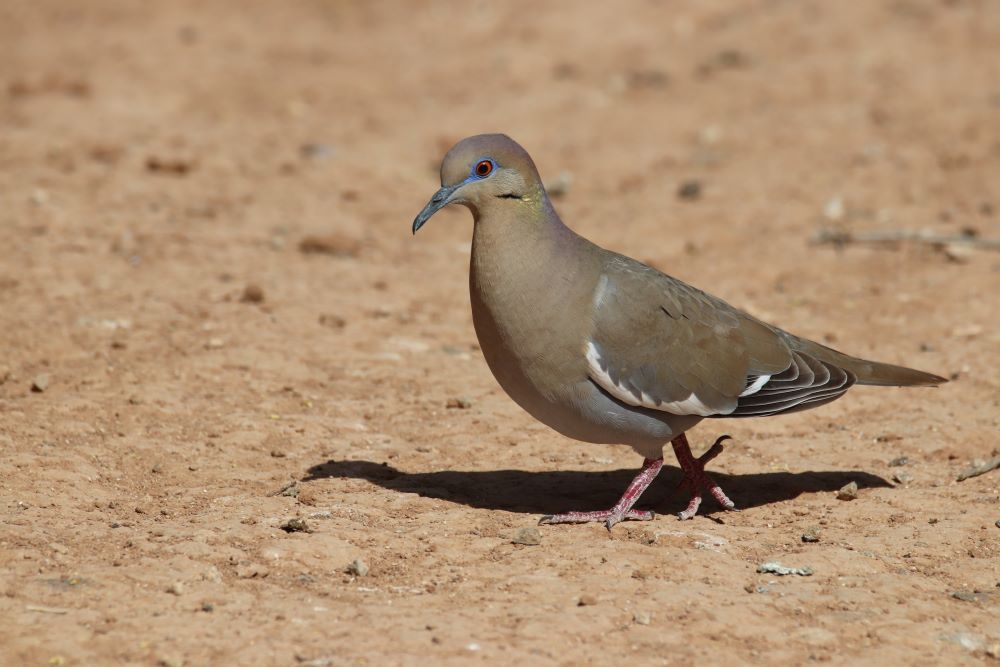 When you think of Arizona, your mind might immediately wander to its vast deserts, towering cacti, and the relentless sun overhead. Yet, amidst this rugged landscape lies a surprisingly diverse bird population, including a variety of pigeon species. Especially in the more rural areas of Arizona like Phoenix and Chandler, pigeons have gradually found a home in the desert.