Top
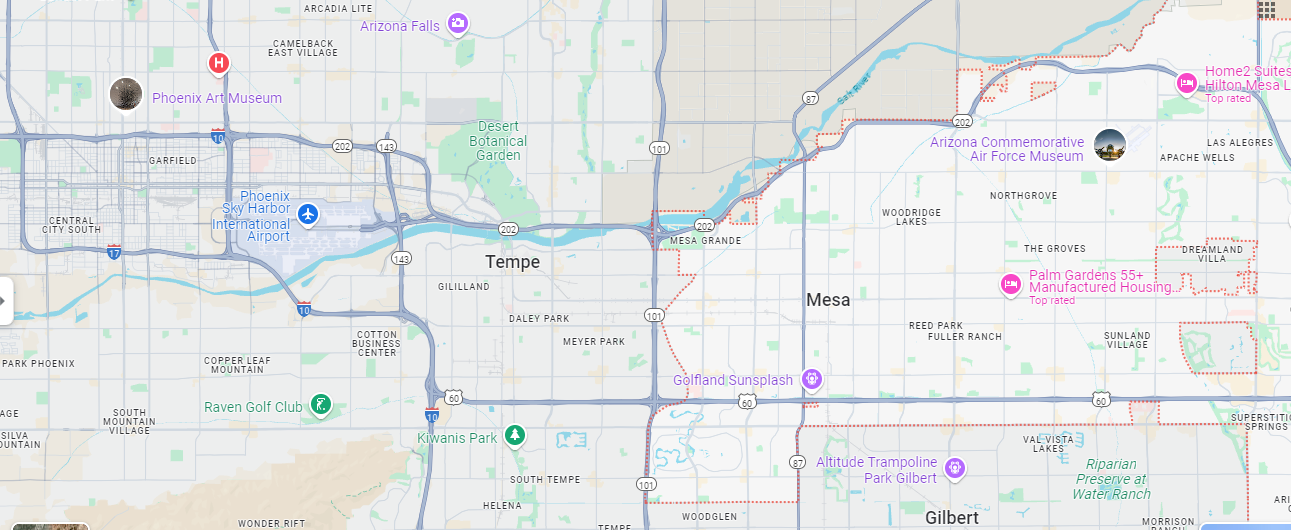
We Proudly Serve Mesa, Gilbert, Chandler, Queen Creek, Tempe, Maricopa, Scottsdale, San Tan, Paradise Valley & Phoenix, Arizona

Blogs

Category: Pest Prevention

Understanding Why Pests Target Pet Food in Cooler Months

As temperatures drop, pests begin searching for easy sources of food. Pet food becomes a primary target because it is nutrient rich, aromatic, and often stored in places pests can reach. Rodents, roaches, ants, beetles, and moths all look for accessible food during winter, and pet food provides everything they need to survive. Protecting your pet’s food from pests is essential during the colder months when indoor infestations become more common.

Why Rodents Go After Pet Food in Winter

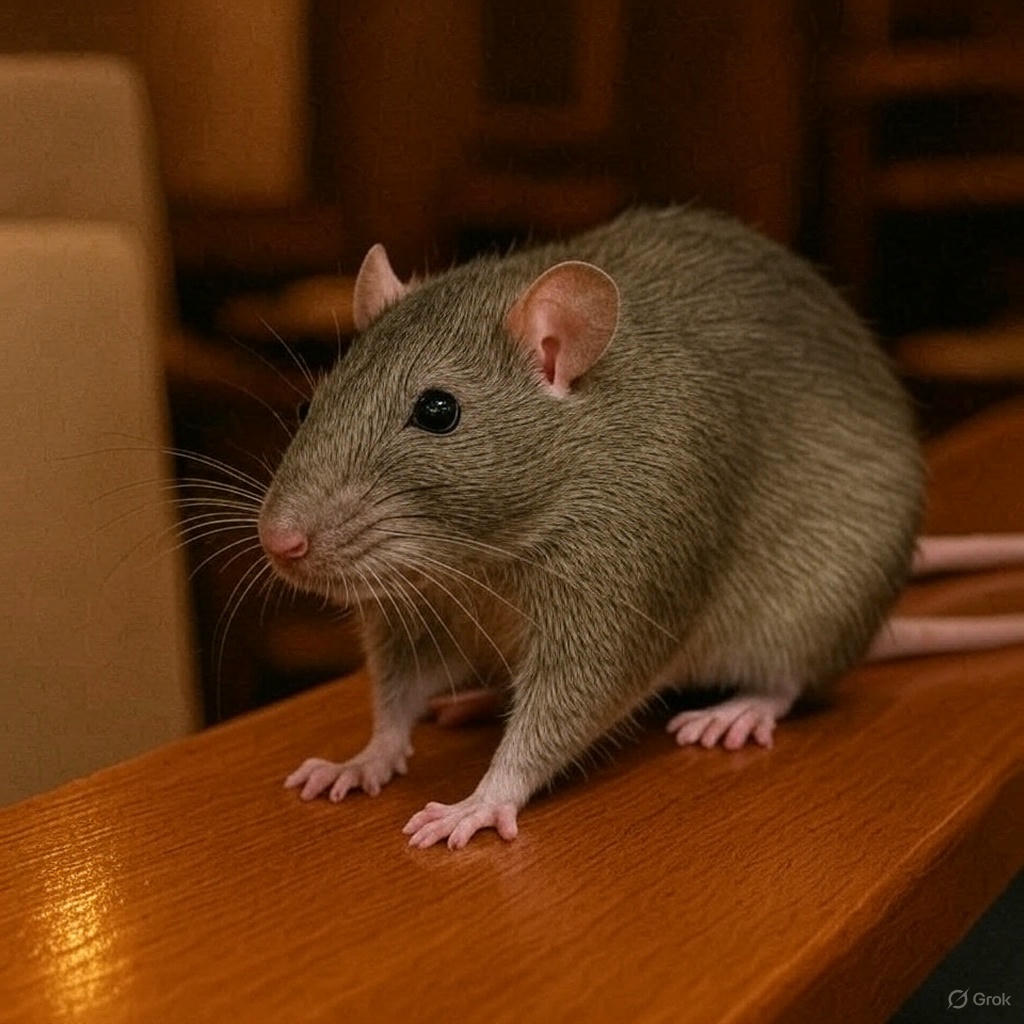
Rodents are especially active in homes during the cold season. They look for warmth, shelter, and reliable food sources. Pet food bags made from paper or thin plastic are easy for rodents to chew through. Once they gain access, rodents will keep returning because the food supply is constant. Winter weather reduces natural outdoor food sources, making indoor pet food even more appealing.

How Ants Seek Out Pet Food During Cooler Weather

Although ants are more active in warm months, some species continue searching for food indoors during fall and winter. Kitchens, laundry rooms, and garages become ant hot spots when pet food is left out. Ants build trails to consistent food sources and often target pet bowls because residue and crumbs remain even after a pet finishes eating. Seasonal moisture changes can also drive ants inside, increasing the likelihood of infestations around feeding areas.

Why Roaches and Beetles Are Drawn to Stored Pet Food

Dry pet food attracts pantry pests such as roaches, beetles, and moths. These insects seek dark and warm spaces, especially during winter. If pet food bags are stored in a pantry, garage, or closet, they may become infested without the homeowner noticing. Once these pests lay eggs inside the bag, the infestation can spread quickly. Because dry pet food contains fats and proteins, it supports fast insect reproduction.

How Improper Storage Encourages Pest Activity

Many pet owners leave pet food in original bags or loosely sealed containers. This makes it easy for pests to access. Thin bags tear easily, and improperly sealed lids provide gaps. Additionally, pet food bowls left out overnight become an open buffet for pests. Even a small amount of food left behind creates scent trails that attract insects and rodents. Proper storage and cleaning practices are essential in preventing these issues.

Steps to Keep Stored Pet Food Safe From Winter Pests

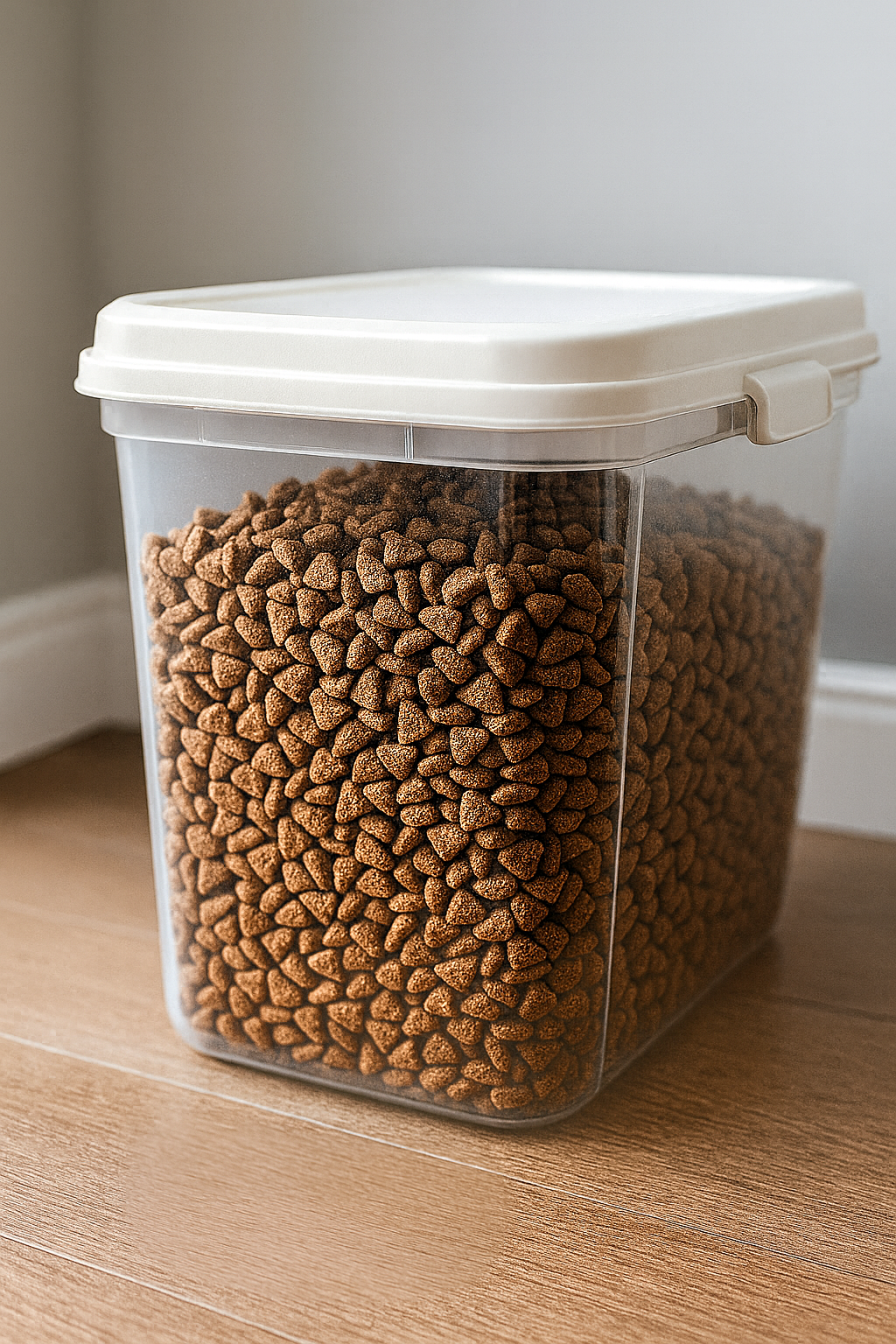
One of the best ways to protect pet food is to transfer it to airtight containers. Thick plastic, metal, or glass containers prevent pests from smelling and accessing the food. Keeping the container off the ground also helps because pests often travel along baseboards. Storing pet food in a dry, climate controlled area prevents moisture buildup and reduces the likelihood of attracting insects that thrive in damp environments.

Protecting Feeding Areas From Pest Activity

Feeding areas should be cleaned daily. Wiping away crumbs, spilled kibble, and residue eliminates easy food sources. Using a feeding mat also helps contain spills and makes cleaning faster. During winter, it is especially important to avoid leaving food out overnight since cold stressed pests are more active during quiet hours. Picking up water bowls at night can also help deter insects that seek out moisture along with food.

How Outdoor Pet Food Attracts Wildlife and Pests

If pet food is left outdoors, it becomes a target for raccoons, rodents, insects, and stray animals. In winter, outdoor pest activity increases because natural food sources become scarce. Removing outdoor food bowls after each feeding helps prevent unwanted visitors and keeps pests from learning your home as a regular feeding location.

Keeping Your Home Pest Free During the Winter Season

Protecting pet food during winter helps keep pests out of your home and ensures your pets remain healthy. With proper storage, daily cleaning, and professional pest control support, you can prevent infestations and maintain a safe environment. Seasonal pest activity increases during cold months, but simple precautions make a big difference in keeping pet food safe and your home pest free.

Outdoor furniture is designed to withstand weather, sunlight, and everyday use, but one threat often goes unnoticed until it becomes serious: pest damage. In warm, humid environments like Arizona and Florida, furniture provides an inviting hiding place for insects, rodents, and other unwanted visitors. Recognizing the signs of pest activity early can save homeowners time, money, and frustration.

Understanding Why Pests Target Outdoor Furniture

Pests are attracted to outdoor furniture for several reasons. Wood, fabric, wicker, and even metal pieces can hold moisture, warmth, or organic material that insects feed on. Wooden benches and tables are especially appealing to termites, carpenter ants, and beetles. Rodents may chew through cushions or padding to collect nesting material, while spiders and wasps find shaded crevices ideal for shelter. Understanding what draws them in helps you know what to look for and how to prevent future problems.

Common Signs of Insect Damage

One of the most obvious signs of insect activity is small holes or tunnels in wooden furniture. Termites and wood boring beetles create round exit holes about the size of a pinhead, often surrounded by fine dust known as frass. Carpenter ants, on the other hand, carve smooth galleries into the wood but do not eat it. You may also notice sawdust like debris collecting underneath the furniture. If the wood sounds hollow when tapped or flakes away easily, it could indicate an internal infestation that has been active for several months.

Wicker and rattan furniture can also show signs of pest damage. Look for missing strands, tiny chew marks, or loose weaves that seem to unravel on their own. Certain insects are drawn to the starches and adhesives used in natural fibers. Over time, their feeding weakens the structure, making it brittle and more prone to breaking.

Recognizing Rodent and Animal Damage

Rodents such as mice and rats are frequent visitors to patios and decks, particularly at night. They chew through cushions, padding, and even plastic to gather nesting materials. If you find shredded fabric or stuffing scattered nearby, rodents are likely the culprits. They may also leave greasy smudge marks along the legs or undersides of tables and chairs where their bodies brush against the surface repeatedly.

Another clear sign is droppings. Small, dark pellets in or around furniture often point to rodent activity. Unlike insects, rodents are also capable of carrying larger debris, so you might see twigs, grass, or food remnants hidden inside furniture covers. Inspect outdoor storage boxes and patio containers too, as these sheltered spaces often double as nesting sites.

Identifying Damage from Birds and Larger Pests

While insects and rodents are the most common culprits, birds and larger wildlife can also cause visible damage. Birds may pick at wicker furniture to collect fibers for nests, leaving rough patches or loose strands. They can also stain cushions and tables with droppings that contain acidic compounds capable of eating through finishes. In some cases, squirrels or raccoons may chew on wooden edges, handles, or decorative elements. Regular cleaning and inspection help prevent long term discoloration and deterioration.

Spotting Fabric and Cushion Damage

Outdoor cushions are another frequent target for pests. Ants and roaches can nest inside fabric seams, while moths and beetles may feed on natural fibers. Look for small holes, webbing, or clumped fabric fibers that appear uneven. Foul or musty odors can also indicate hidden moisture, which attracts both pests and mildew. If cushions feel unusually heavy, they may have absorbed water or become infested with larvae. Replacing or deep cleaning affected cushions promptly helps prevent further spread.

Inspecting Metal and Plastic Furniture

Even metal and plastic furniture are not immune to pest problems. Spiders, wasps, and mud daubers often build nests underneath tables or within hollow tubing. Their nests can block drainage holes or trap water, leading to rust and corrosion. Inspect joints, screws, and hollow sections carefully. Remove any dried mud, paper like material, or compacted dirt that could indicate nesting. Keeping these areas clean and sealed reduces the chance of insects returning.

Preventing Future Pest Damage

Once you identify the source of damage, take preventive measures to keep pests away from your outdoor living areas. Clean furniture regularly with mild soap and water, removing crumbs and debris that attract insects. Avoid leaving food or drink outside overnight, as sugary residues draw ants and roaches quickly. Cover furniture when not in use to limit exposure to moisture and sunlight.

If your furniture is wooden, apply a high quality sealant or protective coating to discourage insects from burrowing. Store cushions indoors when rain is expected and check for hidden water inside cushion covers. For homeowners in humid regions, using fans or dehumidifiers in covered patios can reduce moisture levels and make the environment less appealing to pests.

The Role of Professional Pest Control

While DIY cleaning helps, professional pest inspections provide a deeper level of protection. Specialists from Green Magic Pest Control can identify signs of hidden infestations that homeowners might overlook, such as early stage termite tunnels or concealed nests. Regular treatments create a protective barrier around outdoor living areas, preventing pests from nesting in or near your furniture. Our technicians use safe, targeted solutions that keep your outdoor space comfortable and pest free year round.

Protecting Your Investment

Outdoor furniture is a valuable part of your home’s living space and maintaining it properly extends its life and appearance. By learning to identify pest damage early and working with professionals who understand how pests behave in warm climates, you can protect your investment from costly deterioration.

At Green Magic Pest Control, we combine experience with eco friendly methods that safeguard your furniture, family, and property. Whether you suspect termite damage, rodent activity, or insect nests, our team provides quick and reliable service. Schedule an inspection today and enjoy your outdoor space without worrying about unwanted guests.

Understanding What Causes Gnats in the Home

Gnats are tiny flying insects that may seem harmless at first, but they can quickly become a major nuisance once they start multiplying inside your home. These small pests are drawn to moisture, food residue, and decaying organic matter. Kitchens, bathrooms, and houseplants are their favorite hiding and breeding areas. Fruit gnats, fungus gnats, and drain gnats are the three most common types found indoors. Each species behaves slightly differently, but all thrive in damp, cluttered environments. Understanding what attracts them is the first step toward preventing and eliminating them.

Finding the Source of the Problem

Gnats reproduce rapidly, so identifying their source is essential. They typically breed in places like garbage cans, overwatered houseplants, sink drains, or leftover food. Fruit gnats are attracted to ripened fruit and open beverages, fungus gnats thrive in soggy plant soil, and drain gnats live inside pipes where organic buildup occurs. Inspect these areas closely and clean them thoroughly. Removing their breeding sites is the key to long-term control.

Cleaning Drains and Moist Areas

One of the most effective ways to eliminate gnats is by removing their access to moisture and organic material. Start by cleaning sink and shower drains using a mixture of baking soda and vinegar, followed by hot water. This helps clear out organic residue and kills larvae that may be developing inside pipes. Fix any leaky faucets or pipes and dry wet areas regularly. Keeping your kitchen and bathroom surfaces clean and dry makes them less inviting for gnats looking for a place to breed.

Controlling Gnats Around Houseplants

If you see small insects flying around your indoor plants, fungus gnats are likely the culprit. These pests live and breed in damp soil. Allow the top inch of your plant’s soil to dry completely between waterings to discourage egg-laying. You can also cover the top layer of soil with sand or small stones, making it harder for gnats to reproduce. Always ensure your pots have proper drainage. If the infestation is severe, consider repotting the plant with fresh, dry soil to reset its environment.

Using Traps and Natural Solutions

Homemade traps can be a simple and effective way to capture adult gnats. Combine apple cider vinegar with a few drops of dish soap in a shallow bowl and leave it uncovered near the problem area. The vinegar attracts gnats, while the soap reduces the surface tension, causing them to sink. Sticky traps placed near plants, sinks, and trash bins can also catch adult gnats before they reproduce. These methods work best when combined with regular cleaning and moisture control.

Managing Trash and Food Waste

Gnats are often found near garbage because it provides food and a perfect breeding site. Use trash cans with tight-fitting lids and empty them frequently. Rinse food containers before disposal and wipe down trash bins to remove residue. In the kitchen, avoid leaving uncovered fruits or food scraps on counters. Compost bins should be sealed and emptied regularly or stored outside. A clean kitchen area gives gnats fewer reasons to stay and multiply.

Preventing Drain Gnats with Routine Maintenance

Drain gnats often breed out of sight, deep within the pipes. Keep drains clear by flushing them weekly with a cup of vinegar followed by boiling water. You can also use enzyme-based cleaners that dissolve buildup naturally without harming plumbing. Avoid harsh chemicals whenever possible, as they can damage pipes. Routine cleaning prevents organic buildup and keeps drains too clean for gnats to thrive.

Improving Air Circulation and Humidity

Gnats thrive in humid environments, so controlling moisture indoors makes a huge difference. Use exhaust fans in bathrooms and kitchens to remove excess humidity after cooking or showering. Consider running a dehumidifier in damp rooms or basements to discourage pests from breeding. Good air circulation keeps surfaces dry, reducing the likelihood of infestation. Check for gaps around windows and doors and repair them to prevent gnats from entering.

When to Call a Professional Pest Control Company

DIY methods can reduce gnat numbers, but persistent infestations often require expert help. Hidden breeding sites or ongoing moisture problems can make complete elimination difficult without professional tools and treatments. Green Magic Pest Control provides targeted, eco-friendly pest control solutions designed to eliminate gnats safely and effectively. Our trained technicians identify the source, apply professional-grade treatments, and offer advice to prevent future problems.

Keeping Your Home Gnat-Free Year-Round

The best way to deal with gnats is to stop them before they start. Maintain a clean and dry home, eliminate standing water, and schedule regular pest control services to keep your property protected. Green Magic Pest Control offers ongoing prevention plans that include detailed inspections and environmentally safe treatments to ensure your home stays pest-free all year long.

If you are tired of fighting gnats in your kitchen, bathroom, or living spaces, contact Green Magic Pest Control today. Our team provides professional pest solutions that are safe for your family, pets, and home while delivering lasting results that restore your comfort and peace of mind.

Your home’s vents are designed to circulate air, not pests. Unfortunately, many insects and rodents see vent openings as convenient entry points. Attic vents, dryer vents, and bathroom exhaust vents can provide easy access to the interior of your home if they are not properly sealed or maintained. Once inside, pests can spread quickly and cause damage to insulation, wiring, and stored belongings. At Green Magic Pest Control, we help homeowners protect their homes by identifying and securing common entry points like vents before an infestation begins.

Understanding Why Vents Attract Pests

Vents provide everything pests need: warmth, shelter, and airflow. During colder months, rodents and insects seek warmth from inside your home, and vents often lead directly to attics or crawl spaces. Dryer vents also produce moisture, which attracts roaches, ants, and even small animals looking for humidity and warmth. Birds may use vent openings to nest, while wasps or bees can build colonies inside them. Recognizing these vulnerabilities helps you understand why vent protection is an essential part of maintaining a pest-free home.

Inspecting Vents for Openings and Damage

The first step in preventing pests from entering through vents is conducting a thorough inspection. Look for gaps, torn screens, or loose covers around attic and dryer vents. Rodents can squeeze through holes as small as a quarter, and insects need even less space. Green Magic Pest Control recommends inspecting your vents every few months, especially after storms or heavy wind, since debris and shifting materials can leave openings. Any damaged screens or missing covers should be replaced immediately to maintain a secure barrier.

Installing Protective Vent Screens and Covers

Protective vent screens and covers are some of the most effective tools against pest entry. Metal mesh screens keep insects and small animals from getting inside while still allowing airflow. For dryer vents, specialized covers with flaps that open only during operation prevent entry while maintaining ventilation. Green Magic Pest Control uses durable, weather-resistant materials that stand up to heat, humidity, and rain. By adding secure covers, you create a long-lasting barrier that stops pests at one of their favorite access points without interfering with your home’s air circulation.

Keeping Dryer Vents Clean and Clear

Lint buildup inside dryer vents can attract pests and reduce airflow, creating a double problem. Clogged vents not only increase fire risk but also make it easier for insects and rodents to nest inside. Regularly cleaning the lint trap and scheduling professional vent cleaning once or twice a year helps prevent both issues. When lint accumulates near the vent outlet, it can block flaps or covers from closing completely. Green Magic Pest Control often finds that pest problems begin where maintenance is neglected, so a simple cleaning routine can go a long way in keeping unwanted visitors out.

Sealing Gaps Around Vent Openings

Even with proper covers, small gaps can develop where vents meet exterior walls or siding. These spaces are prime entry points for ants, spiders, and cockroaches. Sealing these gaps with silicone caulk or weather-resistant sealant keeps pests from slipping in unnoticed. Pay special attention to vents that pass through brick, stucco, or wood, as materials expand and contract over time. Green Magic Pest Control technicians use professional-grade sealants to close these areas securely without restricting airflow, ensuring that your home remains both energy-efficient and pest-free.

Managing Moisture and Airflow Around Vents

Moisture attracts pests, and vents that leak or trap humidity can create the perfect environment for them. Check for condensation around bathroom and kitchen exhaust vents, especially in humid climates like Georgia and Florida. Proper insulation and airflow help prevent moisture buildup that draws in insects such as silverfish, centipedes, and roaches. Green Magic Pest Control advises pairing vent maintenance with humidity control measures, such as dehumidifiers or improved attic ventilation, to make your home less appealing to pests seeking damp hiding spots.

Keeping Outdoor Areas Around Vents Clear

Pests often find vents after traveling through overgrown shrubs or mulch beds close to exterior walls. Trimming vegetation and keeping at least a two-foot clearance around your home’s foundation reduces pest activity near vents. Avoid stacking firewood, leaves, or yard debris against vent areas, since these materials attract rodents and insects. Green Magic Pest Control includes landscaping recommendations as part of our prevention services, ensuring that both your yard and your vents stay clear of pest traffic routes.

Scheduling Professional Pest Prevention

While homeowners can handle basic maintenance, professional pest inspections provide a deeper level of protection. Green Magic Pest Control specialists use advanced detection tools to locate hidden vulnerabilities around vents, crawl spaces, and attics. We install secure vent barriers, apply perimeter treatments, and ensure every opening is properly sealed. Preventing pests from entering through vents not only protects your home’s comfort and air quality but also saves you from costly infestations later. Regular pest prevention keeps your living spaces clean, safe, and free from unwanted guests.

Air conditioning units are designed to keep your home comfortable during Arizona’s hottest months, but they can also attract unwanted pests looking for shelter, moisture, or warmth. Insects, rodents, and even reptiles can make their way into outdoor condenser units or ductwork, causing costly damage and health risks. Once inside, pests can chew wires, clog drains, or block airflow, leading to system failure. Knowing how to prevent infestations before they start is the key to protecting your HVAC system. Green Magic Pest Control helps homeowners eliminate pests and safeguard their air conditioning systems year round.

Why Pests Are Drawn to Air Conditioning Units

Your air conditioning unit offers everything pests need to survive. The dark, enclosed spaces provide shelter from the heat, while condensation supplies moisture for survival. Ants, roaches, lizards, and mice are particularly drawn to outdoor condenser units and wall vents. The vibration and warmth of the system also attract insects that nest in quiet corners of the housing or ducts. When pests settle inside, they can cause mechanical damage and restrict airflow, making the system less efficient. Green Magic Pest Control identifies pest attractants around your AC unit and helps seal and protect vulnerable areas.

The Risks of Pest Infestation in HVAC Systems

Pests inside your air conditioning system can lead to serious problems beyond inconvenience. Rodents may chew through electrical wires, creating fire hazards or forcing expensive repairs. Roaches and ants can clog drains and filters, reducing efficiency and spreading allergens through the air. Dead insects or droppings inside ducts can also affect indoor air quality, aggravating asthma and allergies. In severe cases, nesting materials can block airflow and cause system overheating. Green Magic Pest Control uses targeted solutions to remove infestations safely and restore your home’s comfort without harming your HVAC equipment.

Keep the Area Around the Unit Clean

A clean environment is one of the best deterrents for pests. Remove leaves, grass clippings, and debris from around the outdoor condenser so there are no hiding spots nearby. Trim shrubs and maintain at least two feet of clearance around the unit for airflow and accessibility. Avoid storing mulch, firewood, or garbage bins near the AC system since these attract insects and rodents. Keeping the space clear allows technicians and pest control professionals to spot early signs of infestation before they become a major problem. Green Magic Pest Control can help identify environmental factors that invite pests and recommend long term prevention strategies.

Seal Entry Points and Gaps

Small openings around pipes, wiring, or vents provide easy access for pests. Inspect the area around the unit and seal any visible cracks or holes with weather resistant caulk or foam insulation. Check that the seal around the refrigerant line and electrical conduit is tight to prevent insects from slipping inside. For indoor units, examine ducts and vents for gaps or loose fittings where pests can enter. Green Magic Pest Control inspects these critical points during service visits and helps homeowners apply effective exclusion methods that keep insects and rodents out permanently.

Protect Drains and Ductwork

Condensation lines and duct openings are common pest entry points because they provide moisture and airflow. Ensure that drain lines are clear and properly sealed where they exit the home. A clogged drain pan can create standing water that attracts ants and mosquitoes. Use mesh screens or pest resistant covers on outdoor vents to block insects without restricting air circulation. Regular cleaning of ducts and vents prevents buildup of debris that pests could use for nesting. Green Magic Pest Control offers inspections and treatments designed to keep HVAC systems clean, dry, and pest free all year long.

Schedule Routine Maintenance and Inspections

Regular maintenance of your air conditioning system helps prevent pest infestations by catching problems early. During professional tune ups, technicians can identify signs of nesting, chewed wires, or droppings before they cause damage. Green Magic Pest Control recommends scheduling routine pest control visits alongside HVAC inspections for complete protection. Coordinating these services ensures that both the mechanical and environmental aspects of your system remain secure. Preventive maintenance saves money, improves efficiency, and keeps your home comfortable without the added worry of hidden pest activity inside the unit or ductwork.

Use Professional Pest Control Treatments

While homeowners can take preventive steps, professional pest control provides an added layer of defense. Experts use safe, targeted treatments around air conditioning units that repel pests without harming equipment or affecting indoor air quality. Green Magic Pest Control specializes in eco friendly pest prevention that focuses on long term protection rather than short term fixes. Their team understands the habits of local pests and uses proven methods to keep them from returning. With regular service, your HVAC system remains free from damage and your home stays cool, clean, and comfortable throughout every season.

Storage units are the perfect place for pests to settle in unnoticed. They offer warmth, darkness, and shelter with minimal human disturbance. Whether you rent a self-storage unit or have one on your property, preventing an infestation is essential. Pests like rodents, cockroaches, spiders, and silverfish can easily damage furniture, clothing, and boxes within weeks. Once they find a way inside, they reproduce quickly and are difficult to remove without professional help. By taking preventive steps and knowing the warning signs, you can protect your belongings from unwanted guests. A few smart habits and the right pest control plan will go a long way in keeping your storage space safe and clean.

Why Pests Target Storage Units

Pests invade storage units because they provide everything they need to survive. Items like cardboard boxes, upholstered furniture, and stored fabrics create nesting and hiding spots. Many storage units are not climate controlled, so they can develop moisture buildup that attracts insects and rodents. Even a small gap under a door or around utility lines is enough for pests to squeeze through. Once inside, they find safety from predators and an endless supply of materials to chew, eat, or nest in. Rodents can gnaw through plastic bins and wiring, while roaches feed on paper and glue. Understanding why storage units attract pests helps highlight how easy it is for infestations to start.

Choosing the Right Containers for Storage

The first step in protecting stored items is using the right type of container. Cardboard boxes may be convenient, but they are highly vulnerable to insects and rodents. Plastic bins with tight sealing lids provide much better protection. Look for thick, durable containers that lock securely to keep pests from entering. If you must use cardboard, elevate it off the floor and wrap it in plastic for added defense. For fabric items, use vacuum-sealed bags to eliminate moisture and scent. Avoid storing perishable materials, as they quickly attract insects. Choosing sturdy, sealed storage materials reduces the chances of pests finding access to your valuables.

Reducing Moisture and Improving Airflow

Moisture is one of the main reasons pests thrive inside storage spaces. Humidity attracts silverfish, roaches, and other insects that need damp environments. To reduce the risk, keep your storage unit as dry as possible. If it is not climate controlled, consider using moisture absorbers or desiccant packs. Inspect the space for water leaks or signs of condensation on walls and ceilings. Elevate furniture or boxes on pallets to prevent contact with damp concrete floors. Ensuring that air circulates freely helps keep humidity low and discourages pest activity. When airflow is maintained, the environment becomes less inviting for insects and mold growth.

Inspecting Items Before Storage

Many infestations begin when pests are unknowingly brought in with stored items. Before packing anything away, inspect furniture, boxes, and appliances thoroughly. Check for droppings, egg casings, or live insects in corners and crevices. Clean all items before storage to remove crumbs, oils, and other food residues that might attract pests. Vacuum fabric furniture and wash linens in hot water before sealing them in bags. Taking time to inspect and clean items ensures that nothing hitchhikes into your storage unit. It is easier to prevent an infestation than to treat one that has already started inside a sealed environment.

Sealing Entry Points and Regular Maintenance

Even a clean, well-packed storage unit can attract pests if small entry points are left unsealed. Mice and insects can fit through holes no larger than a coin. Use steel wool, caulk, or weather stripping to close gaps around doors, vents, and corners. Inspect your unit regularly for new holes or cracks that could become access points. Avoid leaving the door open for long periods, especially at night when pests are more active. A brief inspection every few weeks helps catch early signs of problems before they worsen. Staying proactive with maintenance makes a major difference in keeping pests from moving in.

Partnering with Professional Pest Control

For complete protection, working with a professional pest control company like Green Magic Pest Control ensures your storage unit stays pest free year round. Technicians can inspect for early signs of infestations, apply safe preventive treatments, and seal hidden entry points. Professional pest control uses products designed to last longer and target the specific pests common to Arizona’s environment. Whether you rent a storage facility or manage multiple units, having an ongoing pest control plan keeps your belongings protected. The experts at Green Magic Pest Control provide customized solutions that balance effectiveness with safety for your stored items.

No one wants pests inside their home, but many people unknowingly make it easier for bugs and rodents to move in. At Green Magic Pest Control, we see it all the time small daily habits that turn homes into pest hotspots. Here are seven habits that might be attracting pests into your house, and what you can do to stop them.

 1. Leaving Food Out or Unsealed
Pests are constantly looking for their next meal. If you leave food out on counters or store dry goods in open packaging, you’re inviting ants, roaches, and mice to feast.
What to do instead: Keep food in sealed containers, clean crumbs off surfaces daily, and never leave pet food out overnight.

2. Skipping the Trash
Overflowing trash bins or trash left too long indoors can quickly become a buffet for pests like rodents, flies, and raccoons.
What to do instead: Take trash out regularly and use tightly sealed lids on both indoor and outdoor bins.

3. Letting Moisture Linger
Standing water or damp spots are especially attractive to roaches, mosquitoes, and even termites. Moisture is one of the top reasons pests stick around.
What to do instead: Fix leaking pipes, clear blocked drains, and use fans or dehumidifiers in humid areas of your home.

4. Leaving Doors and Windows Open
Even a slightly cracked window or door can allow pests to enter. If screens are damaged or missing, bugs can come in freely.
What to do instead: Install or repair screens, close windows at dusk, and seal gaps around doorways.

5. Ignoring Yard Maintenance
Overgrown yards, leaf piles, and firewood stored too close to the house can serve as a hiding place for pests that eventually enter your home.
What to do instead: Keep grass trimmed, clear debris, and store wood at least 20 feet away from your home’s foundation.

6. Letting Clutter Pile Up Indoors
Unused boxes, paper piles, and cluttered garages create the perfect conditions for cockroaches, spiders, and rodents.
What to do instead: Declutter storage areas regularly, vacuum baseboards, and rotate stored items to avoid nesting spots.

7. Skipping Routine Pest Control
Just because you don’t see pests doesn’t mean they’re not there. Waiting until you notice a problem can make it harder to control.
What to do instead: Schedule routine pest prevention with Green Magic Pest Control to keep your home protected year-round.

At Green Magic Pest Control, we help Arizona homeowners break bad habits and get ahead of pest problems. Our eco-friendly treatments and expert team provide year-round protection so you can enjoy a pest-free home. Ready to stop attracting pests and start protecting your space? Visit greenmagicpest.com or call us today to schedule your service.

DIY pest control may seem like a cost-effective solution, but it can often lead to greater problems in the long run. While store-bought pest control products might offer temporary relief, they often fail to address the root cause of infestations, and they may even expose you to health and safety risks. At Green Magic Pest Control, we provide expert pest control services that are tailored to your home’s specific needs. In this blog post, we’ll explore the dangers of DIY pest control and why professional pest control services are a safer, more effective option.

The Hidden Dangers of DIY Pest Control

  1. Ineffective Treatments
    Many DIY pest control products are designed to deal with a small portion of the problem and often fail to eliminate the entire infestation. For example, sprays might kill visible pests, but they don’t address the underlying issue—like nests or breeding areas. Without eliminating the source of the infestation, the pests will likely return.

  2. Health Risks
    DIY pest control products often contain chemicals that can be harmful to your health. These chemicals can cause respiratory issues, skin irritation, or allergic reactions, particularly in children and pets. Improper handling or overuse of these chemicals can lead to dangerous exposure.

  3. Environmental Damage
    Many DIY pest control methods use harsh chemicals that can harm the environment. These chemicals may seep into the soil or water supply, negatively impacting local ecosystems, plants, and animals. Eco-friendly treatments, like those used by Green Magic Pest Control, are much safer for the environment.

  4. Safety Concerns
    Many pest control products require proper application techniques to ensure safety. Without professional training, applying these products incorrectly can increase the risk of injury, fires, or exposure to harmful substances. Certain pests, like termites, require specialized equipment to safely treat infestations, which DIY methods cannot provide.

Why Professional Pest Control is the Safer Choice

  1. Expert Knowledge and Experience
    Professional pest control companies have the knowledge and experience to identify the source of the infestation and treat it effectively. Green Magic Pest Control uses proven methods and eco-friendly solutions to eliminate pests while addressing the underlying causes of infestations.

  2. Targeted Solutions
    Our team customizes pest control plans based on your home’s specific needs, ensuring that the treatments are both effective and safe. We also offer ongoing maintenance services to monitor your home for any potential pests.

  3. Safe for Your Family and Pets
    We prioritize the safety of your family and pets by using non-toxic, eco-friendly products that are just as effective as traditional chemicals. You can rest easy knowing that our treatments will not harm the environment or those you love.

  4. Long-Term Protection
    Unlike DIY methods, which offer short-term relief, professional pest control services from Green Magic Pest Control provide long-lasting results. We ensure that your home remains protected from pests year-round with routine inspections and follow-up treatments.

Conclusion
While DIY pest control may seem like an easy solution, it often leads to more issues than it solves. At Green Magic Pest Control, we offer professional, eco-friendly pest control services that effectively address your pest problems while keeping your family, pets, and the environment safe. Contact us today to schedule a consultation and experience the peace of mind that comes with professional pest control services.

In Arizona, each season brings a new set of challenges when it comes to pest control. Different pests are active at different times of the year, making it essential to be proactive and stay prepared. At Green Magic Pest Control, we provide seasonal pest control solutions tailored to the unique needs of your home and business. In this blog post, we’ll discuss the importance of seasonal pest control and how you can prepare your property for each season to keep pests at bay.

The Seasonal Pest Cycle
Pests are not just a year-round concern—they follow a natural cycle based on the climate and environment. In Covington, the mild winters and warm summers create the perfect environment for a wide range of pests, each of which has its active period. Here’s a breakdown of seasonal pest activity:

  1. Spring
    As the weather warms up, pests like ants, termites, and mosquitoes become more active. Termite colonies begin to swarm, seeking new places to infest. Ants also begin foraging for food to sustain their colonies. Spring is also the peak season for mosquitoes, making it an ideal time to schedule pest prevention services. 
  2. Summer
    In the summer months, pests like cockroaches, bees, and wasps become more prominent. Bees are highly active in pollinating flowers, but their nests can sometimes be problematic if they invade your home. Cockroaches thrive in the warmth of summer, often entering homes in search of food and water. During this time, mosquitoes are at their worst, often carrying diseases like West Nile and Zika. 
  3. Fall
    As temperatures cool, pests like rodents and spiders begin to seek shelter indoors. Mice and rats search for warmth and food in your attic, basement, or kitchen. Spiders also move inside, looking for cozy corners to build their webs. Fall is the ideal time to seal entry points to prevent these pests from gaining access to your home. 
  4. Winter
    In the winter, pests like termites, rodents, and cockroaches often stay hidden indoors. While activity may slow down, pest problems are still prevalent. Rodents, in particular, are highly active during winter as they search for warmth and food. It’s crucial to have a pest control service in place to ensure your home remains free of pests, even in the colder months. 

Why Seasonal Pest Control is Important

  • Prevention: Seasonal pest control focuses on preventing pests from becoming an issue. By addressing potential pest problems early, you can stop infestations before they begin. 
  • Effective Pest Management: Each season brings unique challenges. A pest control provider like Green Magic Pest Control understands the different pests that thrive during each season and tailors their services accordingly. 
  • Cost-Effective: Preventing a pest problem from becoming a major issue reduces the need for expensive extermination or repairs caused by damage from pests. 
  • Peace of Mind: Knowing that your home is regularly treated for pests throughout the year provides peace of mind and ensures your family’s safety. 

Green Magic Pest Control Seasonal Services
At Green Magic Pest Control, we offer seasonal pest control plans that provide comprehensive protection for your home throughout the year. Our services include:

  • Spring Mosquito & Termite Treatments 
  • Summer Cockroach & Bee Control 
  • Fall Rodent and Spider Prevention 
  • Winter Rodent & Cockroach Monitoring 

Conclusion
Seasonal pest control is essential for maintaining a safe and comfortable home throughout the year. At Green Magic Pest Control, we provide tailored solutions to handle the unique pest challenges each season brings in Arizona. Contact us today to schedule your seasonal pest control service and ensure your home stays pest-free year-round.

Categories

Contact Us Today to Get Started