
Spring in Fountain Hills brings blooming palo verde, brittlebush along the McDowell Mountain foothills, and the steady mist off the fountain at Fountain Park. It also brings bees, and for parents of young children and pet owners, a cloud of bees drifting across the backyard is more than a nuisance. If you have noticed more buzzing around your Saguaro Boulevard neighborhood, a hollow in a block wall, or a water meter box near the driveway, you are seeing a seasonal pattern that plays out across this desert town every year. Understanding why bees swarm here, and how they behave once they settle, is the first step toward keeping your family safe.
As a pest control company in Fountain Hills AZ, Green Magic sees the same story on repeat once temperatures climb. A colony outgrows its space, splits, and sends a swarm looking for a new cavity to move into. That new home is often closer to people than anyone would like, tucked into the very structures that make our homes comfortable.
Why Fountain Hills Sees So Many Bees
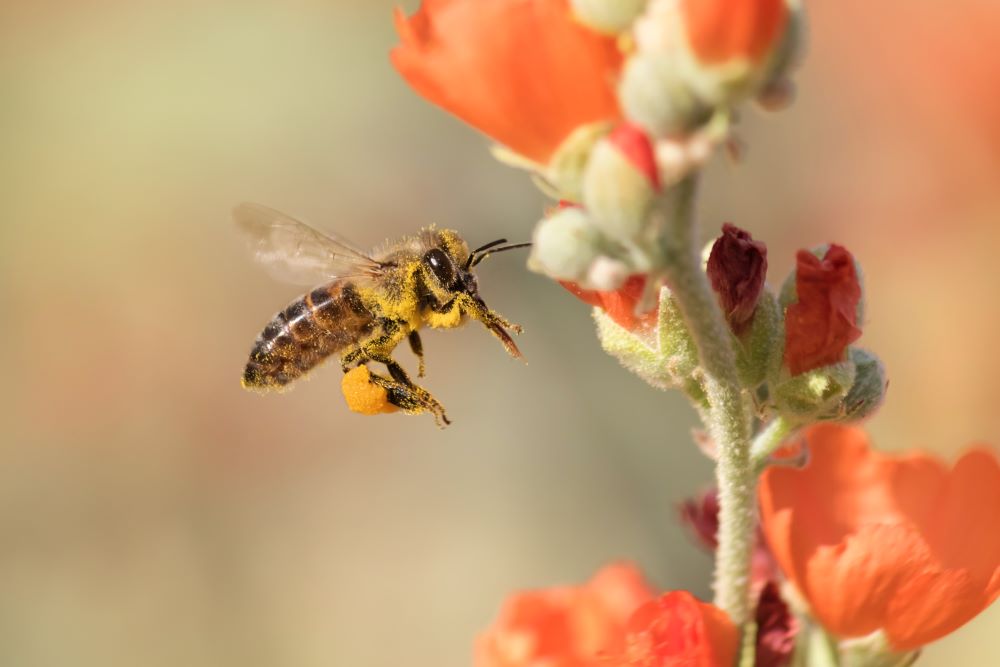
Fountain Hills sits right against the Sonoran Desert preserve and the McDowell Mountains, which means homes here share a boundary with prime bee habitat. The desert offers exactly what a colony needs, including flowering plants for nectar, natural cavities in rock and cactus, and access to water. When neighborhoods add irrigated landscaping, decorative block walls, and shaded eaves, they create even more nesting options than the open desert provides. From Firerock to Adero Canyon, the pattern is the same. Bees follow bloom and water, and both are plentiful near these foothills from early spring onward.
Water is a bigger draw than many families expect. Pools, drip lines, pet bowls left outside, and even the spray from the famous fountain give foraging bees a reliable source during our dry, hot stretches. A yard that stays green and moist through the summer is more attractive to bees than the surrounding desert, so the most comfortable outdoor spaces are often the ones that see the most activity.
The Behavior That Makes Local Bees Different
Here is the part that matters most for families. Most of the wild honey bee colonies in the Phoenix metro, including the desert around Fountain Hills, are Africanized. They look nearly identical to the gentle European honey bee, so you cannot spot the difference by watching them work a flower. The difference is in temperament. An Africanized colony guards its nest far more aggressively, reacts to disturbances a European colony would shrug off, and can pursue a perceived threat a surprising distance from the nest. You can read more about the University of Arizona findings on this at their extension page below.
This behavior is triggered by ordinary yard activity. A running lawn mower, a string trimmer near a wall, a pressure washer, or even a curious dog sniffing a valve box can set off a defensive response. That is why a colony near a play set, a patio, or a pool deck is a genuine hazard for kids and pets, not just an inconvenience. Understanding the range of stinging insects helps too, and it is worth knowing about the different bees you will encounter in Arizona so you can gauge risk before anyone gets close.
Where Colonies Move In Around the Home
Swarming bees are looking for a protected cavity, and a typical Fountain Hills property offers plenty. The most common spots include water meter and irrigation valve boxes set into the ground, gaps in block or stem walls, spaces under roof eaves and soffits, unused sheds, and hollows in mature saguaros. Bees need only a small opening, roughly the width of a pencil, to move a whole colony inside. Once they establish comb, the colony grows quickly and becomes far harder to remove, so early attention pays off.
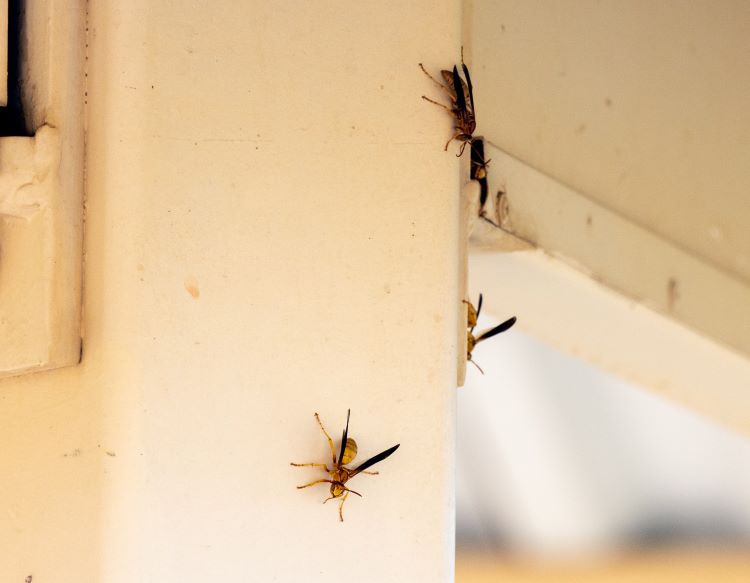
Wasps deserve a mention alongside bees because they thrive in the same season and the same neighborhoods. Paper wasps build their open, umbrella shaped nests under eaves, on patio ceilings, and inside barbecue grills, and they will defend those nests just as readily. Families who want the patio and pool area safe should keep an eye out for both, and professional wasp nest removal handles the risk without putting anyone in reach of a sting.
Keeping Kids and Pets Safe
For a family with young children or animals, the safest approach is prevention paired with quick action when a colony appears. Walk your property in early spring and again in early summer, looking and listening for a steady stream of bees coming and going from a wall, the ground, or an eave. A faint hum inside a wall is a strong sign a colony has moved in. Seal small gaps in walls and around utility penetrations before swarm season, keep pet food and water bowls indoors when you can, and fix dripping outdoor faucets that create an easy water source.
If you do find an active colony, resist the urge to handle it yourself. Store bought sprays rarely reach the heart of a nest, and the disturbance can provoke exactly the mass response you want to avoid, especially with children or pets nearby. Move everyone indoors, close the windows and doors on that side of the house, and call a professional. Reliable bee removal service gets the colony out safely and cleans up the comb so a new swarm is less likely to move back into the same void.
Ongoing prevention is where a service plan earns its keep in a place like this. Because bees and wasps stay active for such a long stretch of the year here, a single treatment is only part of the answer. A perimeter approach that treats and monitors the walls, eaves, and utility boxes around the home discourages new colonies from settling in the first place. That steady protection is a core part of quality pest control in Fountain Hills AZ, and it lets families use the yard through the whole warm season without second guessing every buzz.
Local Help When You Need It
Green Magic is a family owned company, and we treat every stinging insect call as a safety matter first. Our technicians know the neighborhoods from Eagle Mountain to the town center, and they know how bees behave against our block walls, foothill lots, and irrigated yards. When a nest turns up near a play area or a pool, fast, careful removal protects the people and pets who use that space most. Dependable Fountain Hills AZ pest control services should give a parent real peace of mind, and that is exactly what we aim to deliver. If you would rather not wait, you can schedule a treatment or explore the wider communities we serve across the East Valley.
For independent background on how Africanized honey bees behave in our region, the University of Arizona Cooperative Extension offers a helpful overview for local families.
Frequently Asked Questions
Are the bees around Fountain Hills AZ homes actually Africanized?
In most cases, yes. Wildlife biologists and the University of Arizona have documented that the vast majority of feral honey bee colonies across the Phoenix metro, including the desert around Fountain Hills, now carry Africanized genetics. They look almost identical to gentle European honey bees, so you cannot tell them apart by sight. The difference shows up in behavior. Africanized colonies defend their nest far more aggressively and respond to disturbances that a European colony would ignore, which is why a swarm near your yard should be treated as a family safety issue rather than a curiosity.
What time of year are bees most active in Fountain Hills AZ?
Bee activity climbs in early spring as desert plants bloom along the McDowell Mountain foothills and stays high through the warm months. March through June is prime swarming season, when new colonies split off and look for a cavity to move into. Activity can continue into fall because our mild autumns keep flowers and water available. That long season is one reason ongoing prevention matters more here than in colder parts of the country.
What should my family do if we find a bee colony on our property?
Keep everyone, including pets, well back from the area and go indoors. Do not spray the colony, throw anything at it, or run lawn equipment nearby, because vibration and water are common triggers for a defensive response. Close windows and doors on that side of the house and keep children and dogs inside until the colony has been professionally handled. Then call a licensed company to identify the nest and remove it safely rather than trying to knock it down yourself.
Are the pest control products safe for my kids and pets?
Green Magic uses organically derived, targeted products and applies them where stinging insects actually travel and nest, not in open living spaces where children play. Our technicians walk you through simple steps for treatment day, such as keeping pets inside for a short window while products dry. The goal is to solve the bee or wasp problem while keeping your home comfortable and safe for the youngest and smallest members of the household.
How does Green Magic handle bee and wasp problems in Fountain Hills AZ?
We start by inspecting the property to find where stinging insects are nesting, whether that is a block wall, a water meter box, an eave, or a shrub. From there we recommend safe removal and a perimeter plan that discourages new colonies from settling in. Because we serve Fountain Hills and the surrounding East Valley, we know the local pressure points and can schedule same-day service when a nest puts your family at risk.
Serving Fountain Hills and Nearby Communities
Written by the team at Green Magic Pest Control, a family owned company founded in 2016 and led by Matt. We help families across Fountain Hills AZ keep bees, wasps, scorpions, and other desert pests away from the spaces they use most. Ready for a safer yard? Book your service today and let our bug wizards work their magic.