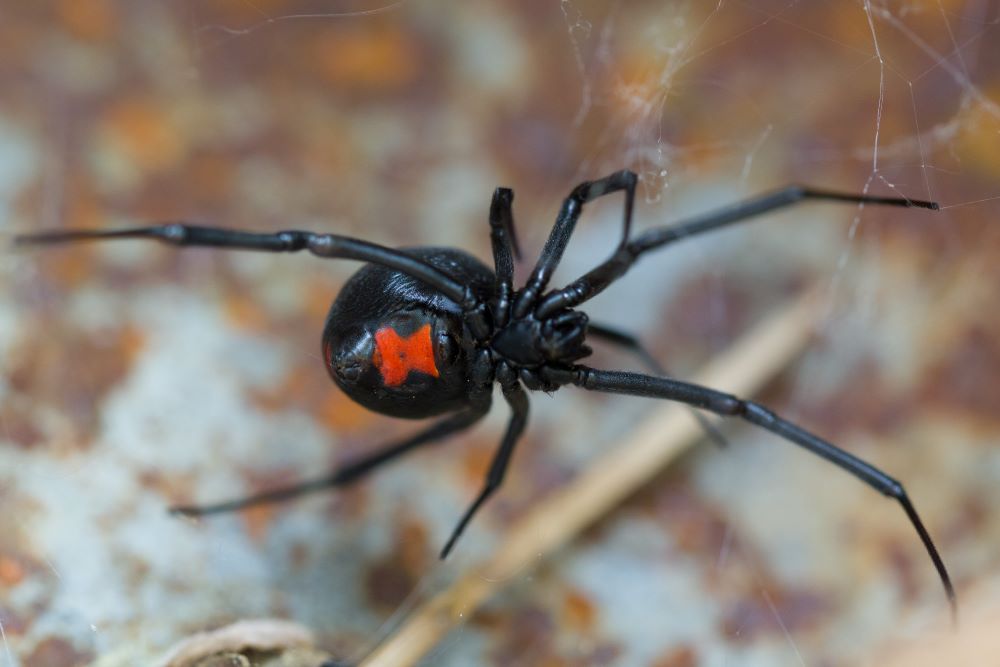
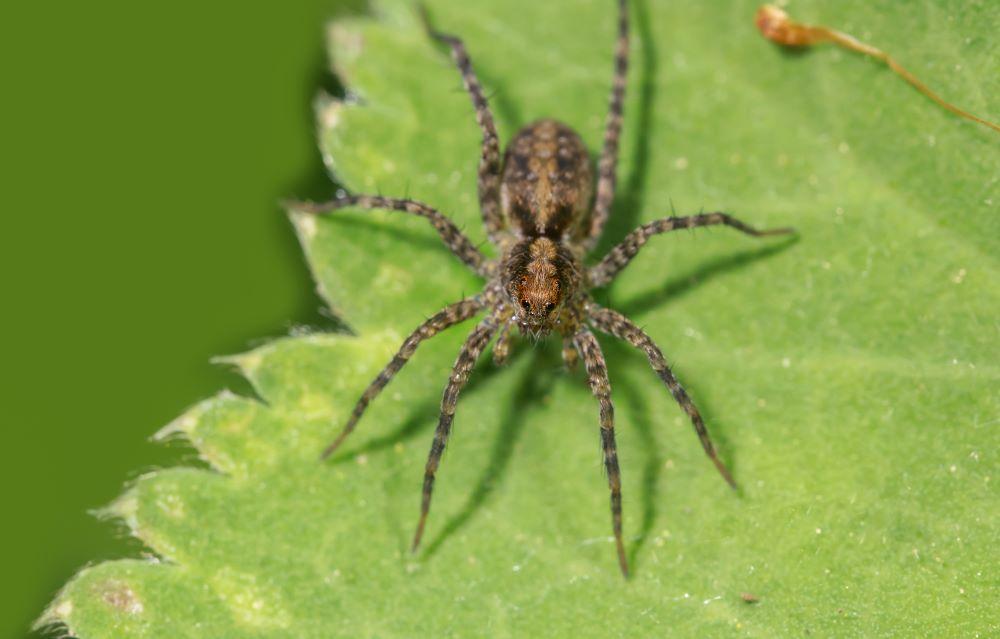
Hobo spider vs wolf spider: what’s the difference between these sneaky creepy crawlies? Are either of them as dangerous as their names imply? While both hobo spiders and wolf spiders share traits such as eight eyes and hair, they inhabit different environments and display unique behaviors that set them apart.
This article delves into key identifiers such as physical appearance, habitat, venom impact including hobo spider size, and wolf spider bites, alongside practical tips for prevention and control.
If you’ve got a spider infestation in your Chandler home or business, reach out to Green Magic Pest Control for help! Contact us today for more info, and start your arachno-free life today.
Physical Appearance & Size – Wolf Spider vs Hobo Spider
Let’s jump into how to differentiate these two different spiders. They are similar in many ways, but different in others:
- Eye Arrangement:
- Wolf Spiders: Feature a distinctive eye pattern with two large eyes on the side and front of their head, complemented by four smaller eyes below.
- Hobo Spiders: Possess eight eyes of equal size, neatly arranged in two horizontal rows.
- Body Hair and Coloration:
- Wolf Spiders: Boast thick fur covering their stout bodies, with color variations including brown, gray, tan, or orange.
- Hobo Spiders: Exhibit finer, sparse hair with a typically muted brown coloration, lacking the violin-shaped marking found on brown recluse spiders.
- Size and Unique Features:
- Wolf Spiders: Larger, with a body length reaching up to 2 inches and a leg span of up to 2 inches. Their thick fur and large, reflective eyes are key identifiers.
- Hobo Spiders: Smaller, measuring 3/4 to 1 1/2 inches in body length with a leg span of up to 1 1/2 inches. Identification requires a closer look at their plumose setae on legs and specific eye and cheliceral retromargin features under a microscope.
These distinctions are essential for anyone trying to differentiate between the often-confused hobo and wolf spiders.
Habitat and Behavior
Understanding the habitat and behavior of hobo spiders and wolf spiders is key to differentiating between these two species. Fortunately for our Arizona viewers, these spiders aren’t very common in these parts. They typically like wooded areas, so that’s two spiders you might want to check off your list down here. Here’s a closer look at their distinct lifestyles, since you might still find the odd one here or there down here:
- Habitat:
- Where do Hobo Spiders live:
- Prefer building funnel-shaped nests near the ground in secluded areas such as wood piles, gardens, under rocks, or sheds.
- Primarily found in the Pacific Northwest region of the U.S., favoring indoor, dark areas like basements and garages.
- Where do Wolf Spiders live:
- Wolf spiders are burrowing arachnids, and are known to live in small mounds in the ground they use as hunting grounds.
- These spiders are more common than hobo spiders, and typically live out in the woods of the Northern US and Canada. You might still see them out in the desert wilderness, but there aren’t a ton of these spiders in Arizona
- Where do Hobo Spiders live:
- Behavior:
- Hobo Spiders:
- Poor climbers, seen mainly at ground level.
- Lay eggs in sacs and stand guard, showing a preference for undisturbed areas, often in or around human dwellings.
- Wolf Spiders:
- Solitary hunters with excellent eyesight and fast running abilities.
- Female wolf spiders carry the egg sac and their young climb onto their backs when they hatch, indicating a more nomadic lifestyle.
- Hobo Spiders:
This distinction in habitat and behavior plays a crucial role in identifying and managing encounters with these spiders, ensuring you can take the appropriate precautions.
Venom and Bite Treatment
When encountering a spider bite, identifying whether it’s from a hobo spider or a wolf spider is crucial for effective treatment. Here’s a quick guide:
- Initial Response to Spider Bites:
- Clean the Area: Use soap and water to cleanse the bite site.
- Cold Compress: Apply an ice pack or a cold compress to reduce swelling and alleviate pain.
- Monitor Symptoms: Keep an eye on the bite for signs of worsening symptoms.
- Hobo Spider Bites:
- Symptoms: Pain, swelling, redness, scabbing, a numbing sensation, muscle or joint aches, and potentially a slow-healing wound.
- Treatment: No specific antivenin; treatment focuses on cleansing, icing, and over-the-counter pain relief. Consult a doctor, especially for vulnerable groups or if symptoms persist.
- Wolf Spider Bites:
- Symptoms: Similar to other spider bites, but quite a bit more painful. Itchy discolored spot, pain, redness, swelling, and possible skin tearing from large fangs.
- Treatment: Wash it with soap and warm water, and apply a cold compress. If you think you’re having an allergic reaction (abnormal heart rate, hardness of breath, excessive swelling or sweating).
Hobo spider venom, fortunately, isn’t seriously toxic for humans. Also, wolf spiders aren’t typically aggressive or home-invasive, either. So, great news, neither of these spiders are a huge threat to Arizona homeowners. Rejoice!
Prevention and Control
To safeguard your home against the unwelcome intrusion of hobo spiders and wolf spiders, implementing effective prevention and control measures is paramount. Here’s a structured approach to keep these arachnids at bay:
Prevention Measures:
- Personal Precautions:
- Always check shoes and clothing before wearing.
- Shake out any clothing left on the floor or stored in boxes.
- Home Maintenance:
- Regularly clean visible cobwebs.
- Seal cracks and entry points around the home.
- Keep rooms, especially basements and garages, clean and clutter-free.
- Store shoes and other items above ground to discourage hiding spots.
Management Techniques:
- Monitoring and Cultural Controls:
- Place sticky traps around the home to monitor spider activity.
- Replace worn door sweeps and seal foundation cracks.
- Vacuum regularly to remove spiders and egg sacs.
- Chemical Controls:
- Apply pyrethroid/silicate dust formulations in known spider habitats.
- Use non-residual aerosol sprays for immediate spider removal.
Habitat Modification:
- Outdoor Strategies:
- Remove debris and mow tall grasses to eliminate hiding places.
- Treat lawns and landscapes with effective insect killers like Ortho® Home Defense Insect Killer for Indoor and Perimeter2.
- Brighten up dark garden or yard areas to deter wolf spiders.
- Indoor Strategies:
- Use glue traps near doors, windows, and other entry points.
- Regularly clean dark, undisturbed areas where spiders prefer to hide, such as closets and cellars.
By adhering to these prevention and control strategies, you can significantly reduce the likelihood of hobo and wolf spider infestations in your home, ensuring a safer and more comfortable living environment.
Conclusion
Adopting a proactive approach to spider management not only contributes to a safer home environment but also underscores the importance of understanding and respecting our arachnid cohabitants. For top-notch spider removal, consider reaching out to Green Magic Pest Control, Chandler’s premier team for a free quote.