
Managing rental homes and commercial space in San Tan Valley means juggling landscaping crews, HVAC calls, tenant turnover, and the occasional 10 p.m. text about something skittering across a kitchen floor. That last category is the one landlords tend to underestimate until a lease renewal is on the line. Out here in Pinal County, where new-build subdivisions like Johnson Ranch, Circle Cross Ranch, and Skyline Ranch keep pushing into open desert along Hunt Highway and Gantzel Road, pest pressure is not a seasonal nuisance. It is a standing operating cost, and how you handle it shapes tenant retention, liability exposure, and the reputation of every unit you oversee. Reliable San Tan Valley AZ pest control services are one of the quieter levers a property manager can pull to keep occupancy steady and complaints low.
This guide is written for the people signing service contracts and fielding maintenance requests, not for a first-time renter. If you own a handful of doors, manage an HOA-heavy portfolio, or run a retail or restaurant space along the Ironwood corridor, the calculus around pests is different from a single-family owner-occupant, and it deserves a plan built for turnover, documentation, and shared walls.

Why San Tan Valley Rentals Face Pressure Owner-Occupied Homes Do Not
San Tan Valley sits in the Sonoran Desert at the base of the San Tan Mountains, and the same qualities that make it attractive to renters, newer construction, big lots, and quick freeway access to the Gateway area, also make it hospitable to pests. Fresh grading and construction disturb established scorpion and rodent habitat, sending those populations toward the nearest reliable water and shelter, which is often an irrigated yard or a block foundation. Homes with stem walls and expansion joints give bark scorpions and crickets ready entry points, and monsoon storms from July through September drive everything indoors at once.
Rental properties compound the problem. Tenants come and go, so nobody has a multi-year memory of where the ants trail in or which sliding door never sealed right. Vacancy periods leave units quiet, dark, and undisturbed, exactly the conditions rodents and cockroaches prefer. And in multi-unit buildings, a problem in one unit is rarely contained to one unit. That is why a proactive relationship with a pest control company in San Tan Valley AZ tends to cost far less over a lease term than a string of emergency callouts after tenants have already started complaining.
The Pests That Generate the Most Tenant Complaints
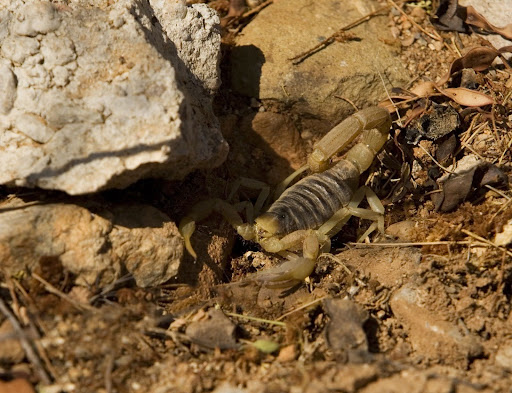
Across the portfolios we service in the area, a short list of pests accounts for the majority of maintenance tickets. Arizona bark scorpions top it for sheer alarm, since a glowing scorpion under a black light in a child’s bedroom will end a lease renewal conversation fast. Keeping scorpions away from the property takes exterior perimeter work and attention to block walls, not just an indoor spray.
German cockroaches are the second headache, and they are the one landlords should fear most in multi-unit settings because they travel through shared plumbing chases and wall voids. A single infested unit can seed an entire building. If you have ever inherited a stubborn kitchen problem at turnover, it was likely a German cockroach problem that a previous over-the-counter fix only scattered. Rodents round out the top three. Roof rats and mice exploit garage gaps, roof lines, and the utility penetrations common in tract construction, and their gnawing and nesting habits create both damage claims and health concerns. Ants, crickets, and the occasional wasp nest fill out the rest of the ticket queue.
Liability, Habitability, and What the Lease Actually Says
For landlords, pests are not just a comfort issue, they touch habitability. Arizona’s residential landlord and tenant framework expects rental housing to be fit and safe, and an unaddressed infestation can become a dispute, a withheld-rent situation, or worse if it drags on. Clear documentation matters. When you carry a recurring service agreement, you have dated records showing the property was inspected and treated on a schedule, which protects you if a tenant later claims neglect. That paper trail is one of the underrated reasons professional pest control in San Tan Valley AZ is worth building into the operating budget rather than treating reactively.
Leases should also spell out responsibility clearly. A tenant who leaves food out invites problems no treatment can fully outpace, while structural entry points and perimeter pressure are the owner’s domain. A good service partner will help you draw that line by identifying whether an issue is behavioral or structural, so you are enforcing the lease on facts rather than guesswork. For a broader look at protecting commercial and income properties, our overview of how to safeguard a business from pests covers the documentation and prevention side in more depth.
Turnover Is the Best Window You Have
The vacant days between tenants are the single most valuable opportunity in pest management, and most property managers waste them. An empty unit can be treated thoroughly without scheduling around a tenant’s work-from-home hours, pets, or privacy. Baseboards, cabinets, under appliances, and wall voids are all accessible. Treating at turnover means the next tenant walks into a clean slate, which cuts down on first-month complaints and the awkward move-in call where a new resident finds evidence the last one left behind. Pairing a turnover treatment with a quick exclusion check, sealing gaps around plumbing and doors, pays for itself the first time it prevents a mid-lease callout.
Commercial Space Along the Hunt Highway Corridor
San Tan Valley’s retail and dining footprint has grown quickly, and commercial tenants carry their own stakes. A restaurant with a rodent sighting risks a health inspection failure and a review that lives online forever, so restaurant pest management has to be discreet, documented, and scheduled around service hours. Multi-tenant retail and office buildings need coordinated treatment so a problem in one suite does not migrate next door, and apartment communities need the kind of building-wide approach covered in our multi-unit and apartment pest control program. Whether you manage a strip center, a warehouse, or a block of townhomes, the principle is the same: shared structures need shared, scheduled protection rather than unit-by-unit firefighting.
Why Recurring Service Beats Reactive Callouts
The math on preventative service is not complicated. A recurring exterior program keeps a treated barrier around the property year-round, interrupting pest life cycles before they reach a tenant’s living space. Reactive treatment, by contrast, only starts after a population is already established indoors, which means more product, more visits, and an unhappy resident in the meantime. Green Magic uses organically derived, pet-safe and child-safe products, which matters when your tenants have kids and animals and you cannot control who is home during a treatment. Technicians here are paid by the day rather than per job, so there is no incentive to rush a property or upsell a treatment nobody needs, a structure that tends to sit better with owners watching a maintenance budget. You can review the full range on our list of services or see coverage details on our San Tan Valley service page.
Integrated pest management, the approach that combines inspection, exclusion, and targeted treatment rather than blanket spraying, is also what regulators and industry bodies recommend. The EPA’s guidance on integrated pest management lays out why prevention and monitoring outperform reactive chemical use, and it is the framework a professional program should follow on any income property.
For property managers weighing the cost of a service agreement against the cost of turnover, vacancy, and disputes, professional pest control is one of the cheaper forms of insurance in the portfolio. If you are ready to build a plan around your units, you can schedule a service visit and get a property assessment tailored to what you manage.
Frequently Asked Questions
Who is responsible for pest control in an Arizona rental, the landlord or the tenant?
It depends on the cause. Structural entry points, perimeter pressure, and infestations present at move-in are generally the owner’s responsibility under habitability expectations. Tenant behavior such as leaving food out or poor sanitation can shift responsibility, which is why your lease should define it clearly and why dated service records help settle disputes.
How often should a San Tan Valley rental property be treated?
Most rental and commercial properties in the area do best on a recurring exterior program, typically every other month, with additional treatment at tenant turnover. The desert climate and monsoon season keep pest pressure high enough that annual or one-time treatments rarely hold up across a full lease term.
Are the products safe for tenants with children and pets?
Yes. Green Magic uses organically derived products chosen to be pet-safe and child-safe, which is important on rentals where you cannot always coordinate who is home during a visit. This lets you keep units protected without disrupting families or triggering safety concerns during a treatment.
Can you treat a unit while it is vacant between tenants?
Vacant units are the ideal time to treat. Empty rooms give full access to baseboards, cabinets, and wall voids, and a turnover treatment paired with basic exclusion means the next tenant starts with a clean, protected space and far fewer first-month complaints.
Do you service multi-unit and commercial buildings in San Tan Valley?
Yes. We handle apartment communities, multi-tenant retail, restaurants, offices, and warehouses in addition to single-family rentals. Shared structures need coordinated, scheduled treatment so a problem in one suite or unit does not spread, and we build the plan around your property type and access needs.
Green Magic Pest Control has served San Tan Valley and the wider East Valley since Matt founded the company in 2016 on a simple promise, let our bug wizards work their magic. From single rentals to full commercial portfolios, our family-owned team helps San Tan Valley property managers keep units protected with eco-friendly, no-pressure service. Ready to build a plan for your properties? Book a visit here.